
Playlist
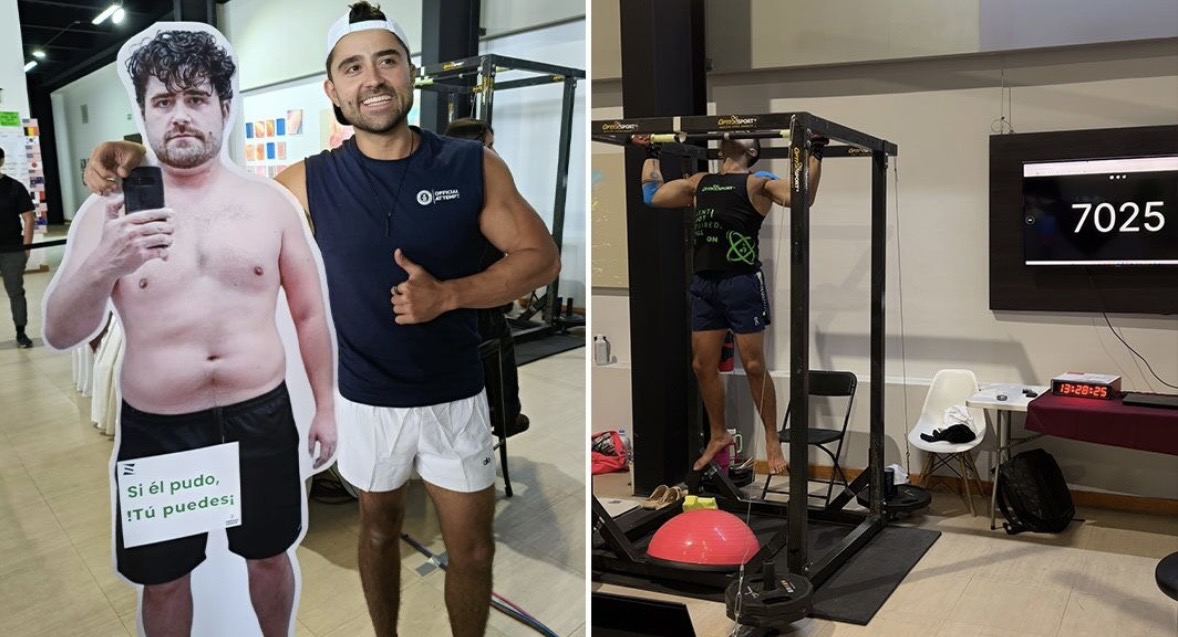
Mexican athlete Enrique Zapata has achieved a historic milestone by completing 12,345 pull-ups during a grueling 24-hour session. This remarkable feat officially surpasses the previous world record of 11,900 repetitions, which was formerly held by Lennert Shots of Belgium, establishing a new global benchmark for physical endurance.
To secure this record, Zapata maintained a steady average of eight repetitions per minute throughout the entire day and night. This success is the culmination of over five years of rigorous and disciplined training. Notably, Zapata had previously set records for 8-hour and 12-hour intervals, though those marks were later challenged and surpassed by other international competitors.
The athlete’s journey to professional success followed a significant personal transformation, as he overcame past struggles with health issues and lifestyle challenges. Inspired by motivational literature and psychological resilience techniques, he shifted his focus toward elite physical conditioning, turning his life around through dedicated athletic pursuit.
His preparation involved specialized breathing techniques and a gradual increase in resistance to ensure the body could withstand extreme repetitive strain. Zapata estimates that he has performed over one million pull-ups over the past five years in preparation for this moment. Currently, the record-holder remains committed to further developing his strength and stamina for future athletic endeavors.
Also read




Wildfire Threat in California: Emergency Evacuations Ordered Near Los Angeles
Today in 09:33A fast-moving wildfire named "Bike" broke out near the city of Santa Clarita, just outside Los Angeles, California. Covering over 70 hectares in a short span, the blaze prompted emergency evacuation orders across eight local sectors. A temporary shelter has been established for displaced residents at the College of the Canyons in Santa Clarita while authorities investigate the cause of the fire.
Blitz