
Playlist
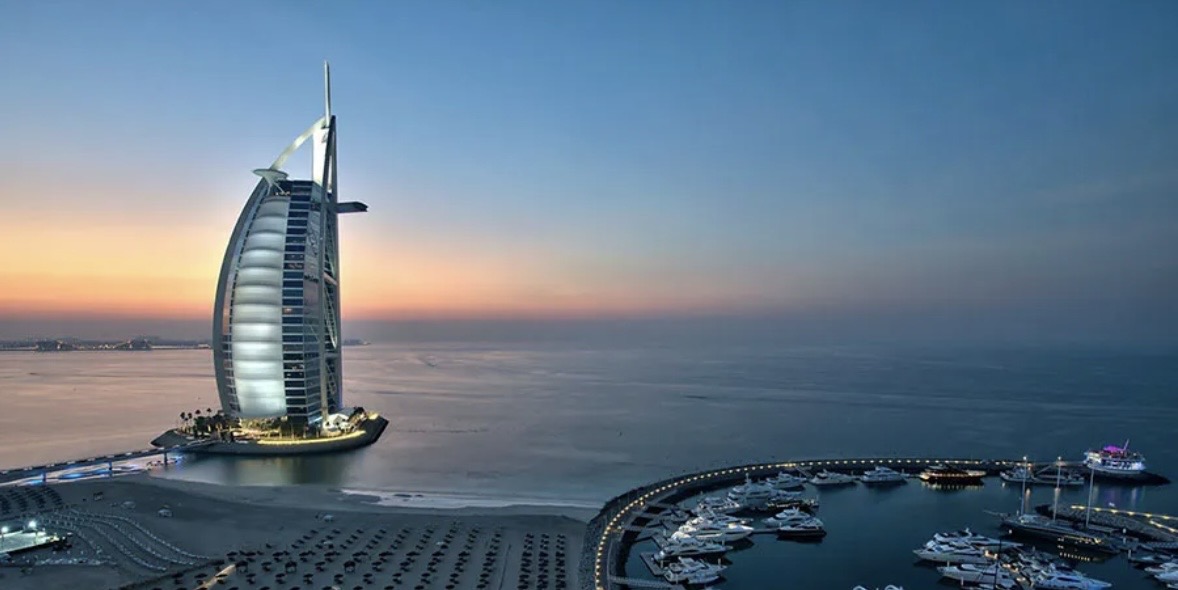
The Jumeirah Burj Al Arab in Dubai, globally recognized as one of the most iconic hotels, has temporarily closed its doors for an extensive 18-month renovation. This marks the first major refurbishment since the sail-shaped landmark opened 27 years ago. The project is designed to modernize the hotel’s infrastructure while preserving its legendary status as a symbol of unprecedented luxury and architectural innovation.
Renowned Parisian architect Tristan Auer has been appointed to lead the interior restoration. Auer is widely respected for his meticulous approach to historical buildings, and his strategy for the Burj Al Arab focuses on preservation rather than replacement. According to the architect, approximately 70–80% of the current interior elements will be carefully restored by skilled craftsmen. This sustainable approach aims to refresh the building’s heritage without altering the unique spirit that has defined it since its inception.
Since its opening in 1999, the 321-meter skyscraper has become one of the most photographed structures in the world. Owned by the Jumeirah Group under Dubai Holding, the hotel features 198 luxury duplex suites decorated with 24-carat gold leaf, rare marble, and Swarovski crystals. The renovation will ensure that these high-end finishes and the overall structural integrity meet the evolving expectations of global hospitality while maintaining the building's historic grandeur.
Thomas Meier, CEO of Jumeirah, described the closure as the beginning of a significant new chapter for the property. He emphasized that the Burj Al Arab is more than just a hotel; it is a global icon of craftsmanship and excellence. The restoration is expected to be completed in about a year and a half, at which point the hotel will reopen to continue its legacy as a premier destination for travelers seeking the pinnacle of luxury.
Also read



Ecological Shift: Golden Jackals Pro Projected to Inhabit 75% of the European Continent
Today in 06:53Once restricted mainly to the Balkans and the Black Sea coastal regions, golden jackals are rapidly expanding their footprint across Europe. According to a landmark study by an international research team published in Nature Ecology & Evolution, these adaptable predators could eventually inhabit up to 75% of the European continent—nearly a sixfold expansion from their historical range. Scientists arrived at these conclusions after monitoring nearly 9,000 sampling sites across multiple European nations.
Recent sightings and acoustic tracking confirm that jackals have established populations in the Czech Republic, the Baltic region, and even Scandinavia. The species thrives in areas with mild winters, mixed agricultural landscapes, and proximity to water sources. Regional climate warming has transformed previously uninhabitable northern areas into suitable habitats, while farming landscapes offer abundant food sources and coverage.
Biologists attribute this unprecedented expansion primarily to the historical decline of wolf populations, which naturally suppress jackal numbers and limit their movement. Smaller than wolves but slightly larger than foxes, jackals feed on small rodents, carrion, plants, and fruits. Their high ecological adaptability allows them to settle efficiently into newly colonized territories without human interference.
However, their entry into Western and Southern Europe, including countries like France and Spain, poses potential ecological consequences. Environmentalists warn that the arrival of jackals could disrupt local ecosystems and threaten endangered ground-nesting steppe birds and smaller wildlife across the Iberian Peninsula.
Blitz