
Playlist
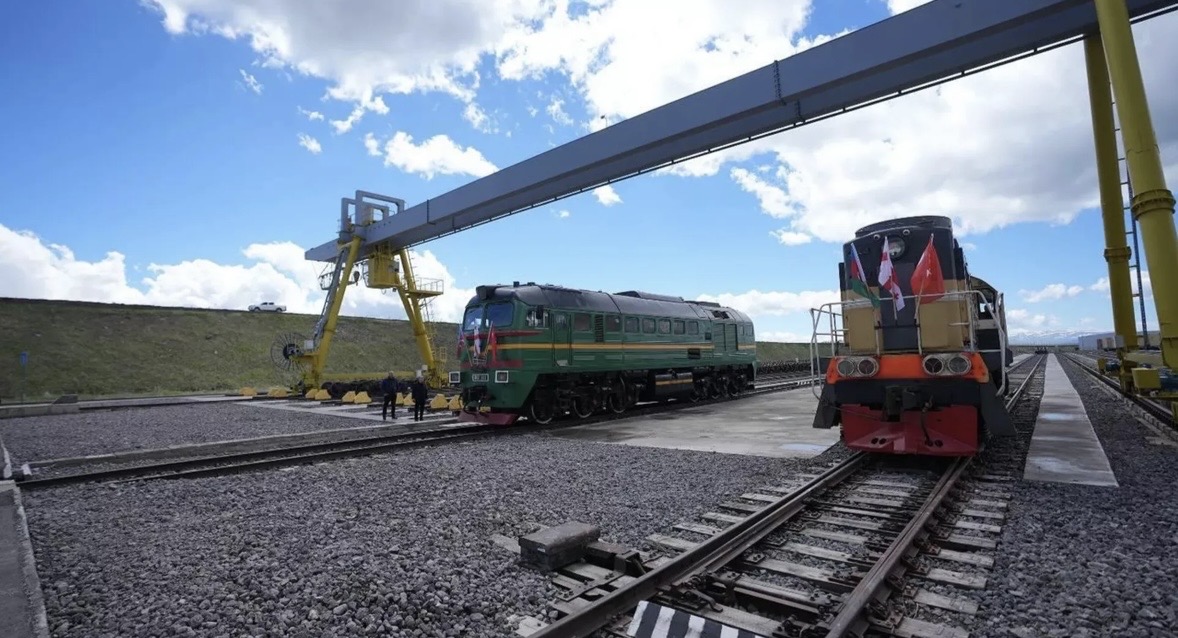
Iron Silk Road Finalized: Baku–Tbilisi–Kars Railway Enters Full Operational Phase
04 Jun. 12:43A landmark corporate and diplomatic assembly took place at the Akhalkalaki railway station in Georgia’s Samtskhe-Javakheti region, celebrating the comprehensive official commissioning of the Baku–Tbilisi–Kars (BTK) rail corridor. Developed under a strategic intergovernmental treaty linking Azerbaijan, Georgia, and Turkey, this expansive engineering project serves as a cornerstone for modern trans-Eurasian trade. The network offers a direct overland alternative for continuous freight movement across international borders.
Senior governmental executives at the launching ceremony highlighted the historic geopolitical value of the BTK cross-border system. The executing authorities designated the completion of the rail line as a concrete model of trilateral solidarity and high-level corporate alignment. By creating a unified rail transit path, the three cooperating partner states have secured a vital economic link that enhances commercial integration between major European and Asian retail centers.
Since its initial tactical rollout in test mode back in 2017, the strategic rail alignment has successfully managed the transport of 1.8 million tons of industrial freight and roughly 90,000 standardized cargo containers. This operational tracking phase verified the structural integrity of the line's shifting track configurations and demonstrated the commercial reliability of the corridor under diverse seasonal weather patterns.
With the completed technical upgrades now fully online, the annual processing capacity of the BTK corridor is projected to reach 5 million tons. This expansion significantly optimizes the overall logistics efficiency of the Middle Corridor, drastically lowering shipping transit times and establishing the route as a highly resilient and competitive alternative within global supply chains.
Also read

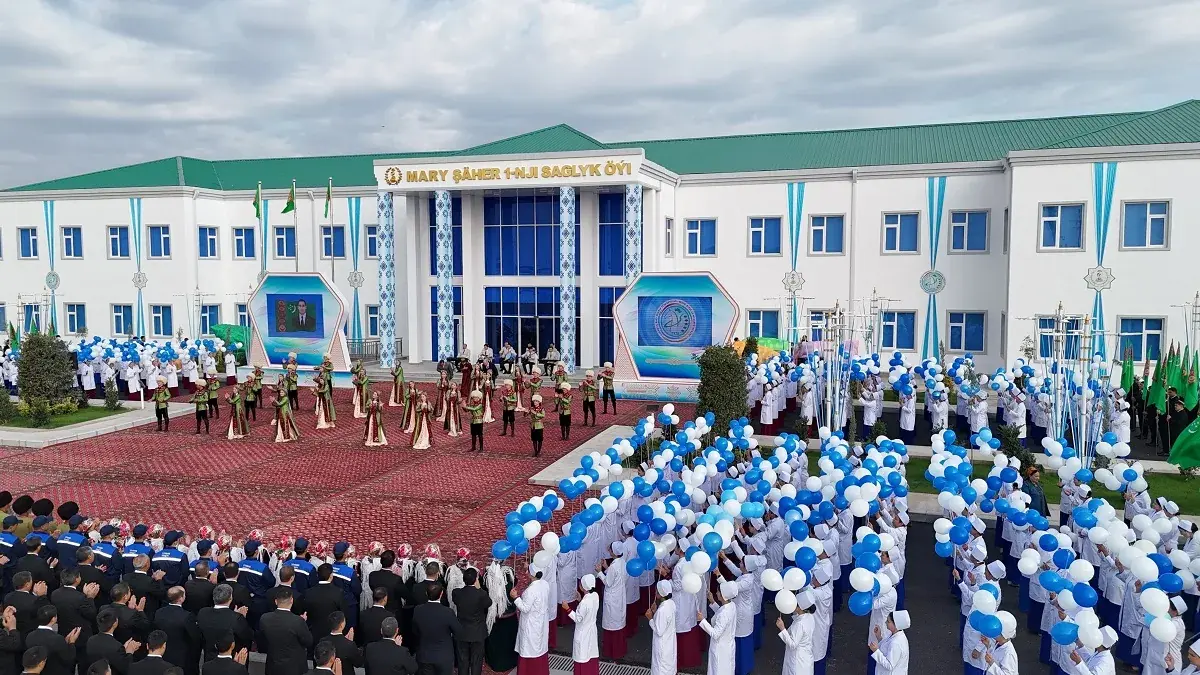
To mark the National Healthcare and Pharmaceutical Industry Workers' Day, Health Center No. 1 in Mary, located along Oguzkhan Street, was officially reopened following a comprehensive structural renovation. The inauguration ceremony brought together regional administration officials, members of parliament and the Halk Maslahaty, healthcare specialists, community elders, and local students. Festive musical and theatrical performances by cultural groups and young talents added to the celebratory atmosphere.
The newly reconstructed two-story medical complex is outfitted with state-of-the-art diagnostic and treatment rooms, family medicine suites, bacteriological and physiotherapy departments, as well as specialized laboratories. Equipped with advanced European medical technology, the center offers a full suite of services including ultrasound, echocardiography, electrocardiography, and endoscopy.
The renovation project was successfully carried out by the local private construction enterprise "Yhlasa Ynam." During the official ceremony, outstanding construction workers were awarded valuable commemorative gifts presented on behalf of the President of Turkmenistan.
Additionally, to boost mobile diagnostic capabilities in the region, a fully equipped "Mercedes-Benz" mobile medical unit featuring digital X-ray and fluorography technology was officially presented to the health center on behalf of the Head of State.
Blitz