
Playlist
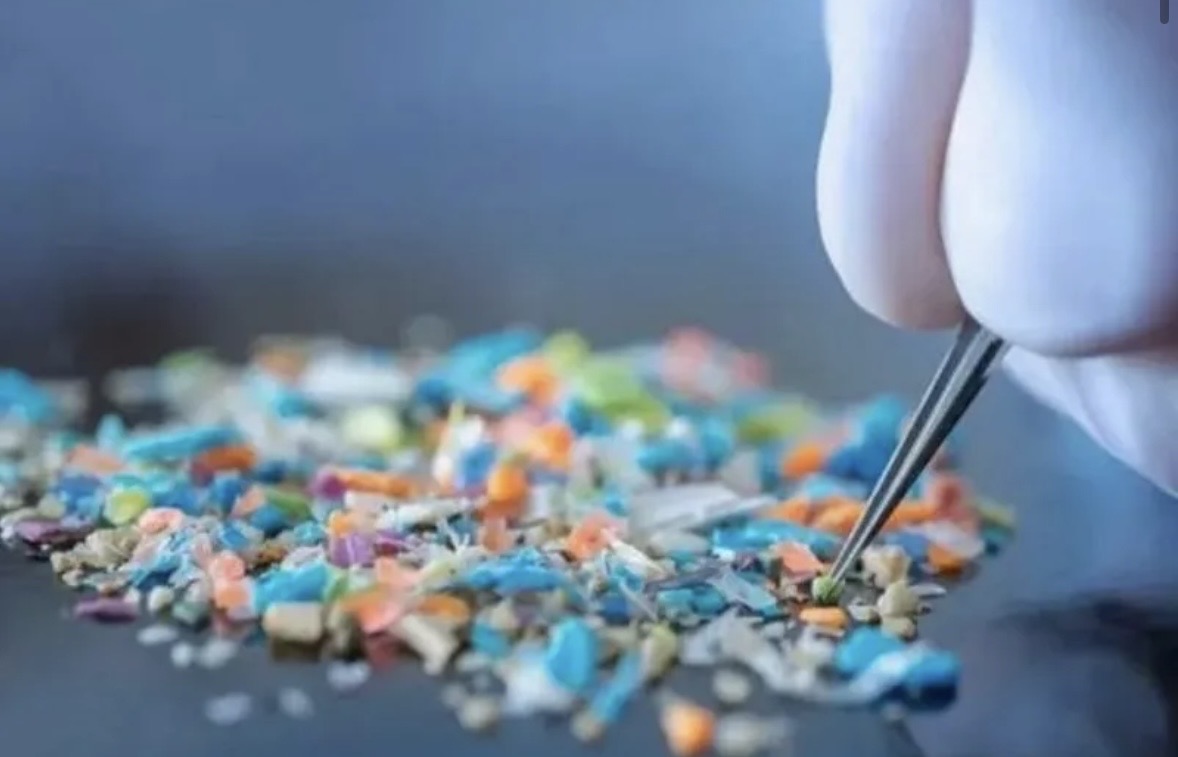
International Report: Microplastics Identified as a Major Threat to Human Health
22 Apr. 11:51Previously regarded primarily as an environmental pollutant, microplastics are now formally recognized as a significant threat to human health. A comprehensive international study, synthesizing data from over 350,000 scientific investigations, confirms that these synthetic particles directly impact biological functions. These polymer fragments, measuring less than 5 mm, are found in water, air, and soil, eventually infiltrating the human bloodstream and cellular structures.
The report identifies a wide array of sources through which microplastics enter daily life, including food supplies, personal care products, and clinical environments. Scientific attention is increasingly focused on "hidden" sources that exert constant pressure on human health. These invisible pollutants create a cumulative effect, meaning that exposure remains continuous throughout an individual’s lifespan, potentially leading to chronic physiological complications.
One of the most concerning findings is the high concentration of microplastics within medical settings, including during surgical procedures. The vulnerability of newborns, particularly those born with low birth weight, is highlighted as a critical issue. The exposure of infants to synthetic particles during their earliest stages of development raises serious questions about long-term developmental safety and immune system integrity.
Beyond healthcare, common household items such as toys, paints, and construction materials serve as persistent sources of microplastic shedding. Experts conclude that the interaction between microplastics and the human body is an uninterrupted, lifelong process. As total avoidance of plastic is nearly impossible in the modern era, the scientific community emphasizes the urgent need for stricter regulations on synthetic materials to safeguard public health.
Also read

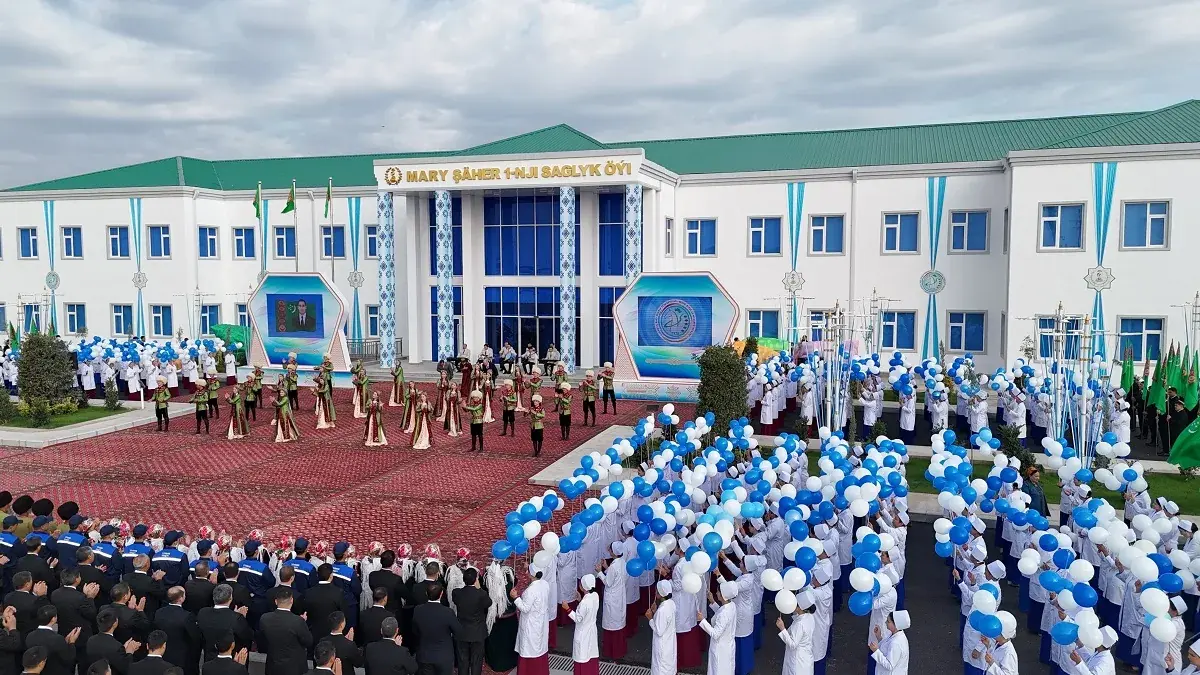
To mark the National Healthcare and Pharmaceutical Industry Workers' Day, Health Center No. 1 in Mary, located along Oguzkhan Street, was officially reopened following a comprehensive structural renovation. The inauguration ceremony brought together regional administration officials, members of parliament and the Halk Maslahaty, healthcare specialists, community elders, and local students. Festive musical and theatrical performances by cultural groups and young talents added to the celebratory atmosphere.
The newly reconstructed two-story medical complex is outfitted with state-of-the-art diagnostic and treatment rooms, family medicine suites, bacteriological and physiotherapy departments, as well as specialized laboratories. Equipped with advanced European medical technology, the center offers a full suite of services including ultrasound, echocardiography, electrocardiography, and endoscopy.
The renovation project was successfully carried out by the local private construction enterprise "Yhlasa Ynam." During the official ceremony, outstanding construction workers were awarded valuable commemorative gifts presented on behalf of the President of Turkmenistan.
Additionally, to boost mobile diagnostic capabilities in the region, a fully equipped "Mercedes-Benz" mobile medical unit featuring digital X-ray and fluorography technology was officially presented to the health center on behalf of the Head of State.
Blitz