
Playlist
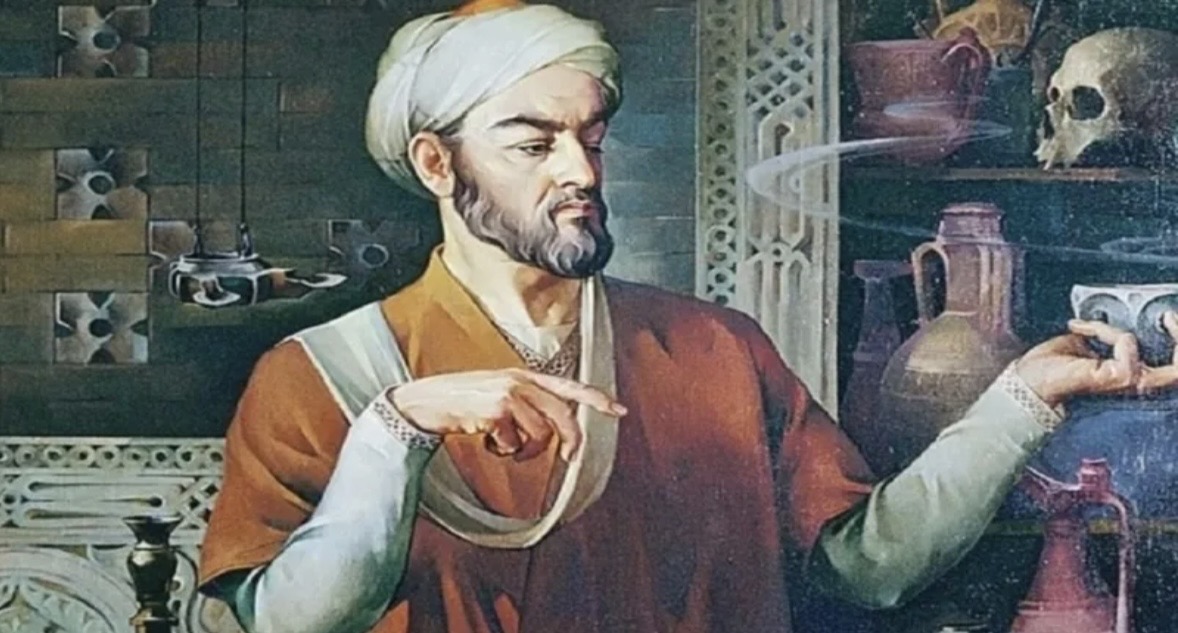
Honoring a Legend of Medicine: Tajikistan Establishes the International Ibn Sina Award
25 May. 10:08An elite international medical award named after the globally renowned polymath, philosopher, and physician Abu Ali ibn Sina (Avicenna) has been officially established in Tajikistan. Initiated and decreed directly by the President of the Republic of Tajikistan, Emomali Rahmon, this premium global award seeks to promote international recognition of Ibn Sina’s monumental contributions to healthcare and the evolution of medical sciences, cementing his historical legacy on the global stage.
This high-level initiative is fundamentally designed to accelerate the development of advanced medical science and enhance contemporary healthcare practices. By establishing this award, the government of Tajikistan aims to incentivize breakthrough medical research, inspire high-impact clinical discoveries, and foster international academic collaboration. The prize will serve as a prominent global platform to drive excellence in addressing modern healthcare challenges, carrying forward the humanistic medical principles pioneered by Avicenna.
According to the official criteria, the International Ibn Sina Award will not be restricted to local experts; it will be presented to exceptional medical professionals and leading researchers from both Tajikistan and overseas. This inclusive framework allows the international board to recognize exceptional achievements in clinical practice, technological innovation in pharmaceuticals, and public health advancements globally. Consequently, this prestigious accolade is positioned to become one of the most respected honors within the global scientific and medical communities.




A rye-wheat loaf preserved in a freezer for 36 years has been put on public display as part of the permanent exhibition at the Deutschlandmuseum in Berlin. Dubbed "The Last Loaf of the GDR," it was originally purchased on June 26, 1990, by student Michael Hagedorn, who bought an extra loaf fearing potential food shortages amidst the economic unification of East and West Germany.
The museum's director, Robert Rückel, described the unusual artifact as a unique poignant symbol of everyday human decisions during times of monumental geopolitical change. To maintain its preserved state, the museum installed a custom refrigeration unit where the historical loaf remains permanently frozen for visitors to view.
Blitz