
Playlist
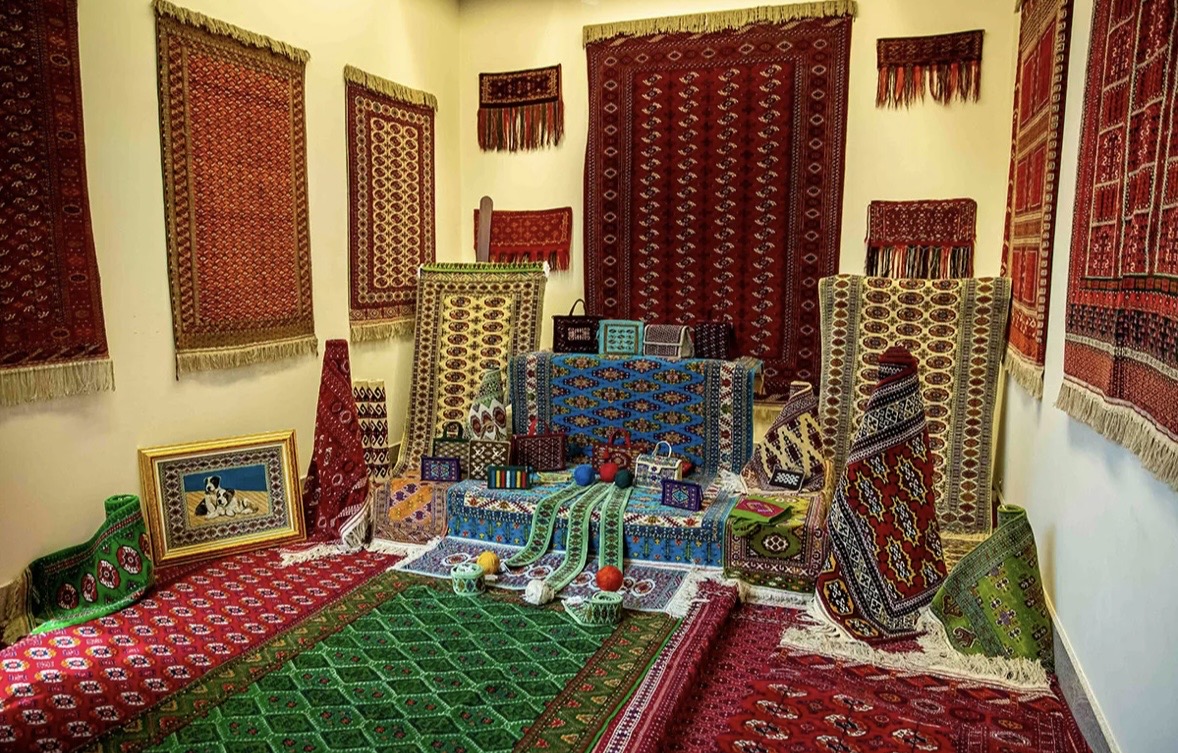
Fifteen master weavers awarded the title of Honored Carpet Weaver of Turkmenistan
01 Jun. 03:00As part of the festive events celebrating the Day of the Turkmen Carpet in Ashgabat, a high-level recognition ceremony was held for elite artisans of the textile sector. In accordance with the Decree signed by President Serdar Berdimuhamedov, 15 outstanding craftswomen from various regional enterprises were granted the honorary title of "Honored Carpet Weaver of Turkmenistan." The announcement was formally broadcasted during the national "Watan" news program.
The state honors were presented in recognition of the weavers' substantial contributions to advancing the traditional art of carpet weaving and promoting its sophisticated patterns globally. The awardees have demonstrated decades of meticulous labor and professional excellence, playing a crucial role in preserving the cultural legacy and transmitting ancient craftsmanship to younger generations.
According to the executive order, the recipients include weavers and master supervisors from the Baherden, Bereket, Gyzylarbat, Dashoguz, and Halach artistic carpet factories operating under the "Turkmenhaly" State Association. Additionally, personnel from the Mary artistic carpet enterprise and the consumer goods department of the Turkmenabat Silk Production Association under the "Turkmenpagta" State Concern were among the distinguished designees.
This government initiative highlights the ongoing national policy aimed at incentivizing workforce achievements within traditional artistic industries. The celebratory presentations underscore the strategic importance placed on elevating the status of local manufacturers and reinforcing the global prestige of the country's authentic handmade products.
Also read



Simple Vitamin Shows Surprising Results in Pre-Cancerous Blood Conditions, Study Finds
Today in 02:02Daily high-dose supplementation of vitamin C can significantly reduce mortality risks and help prevent severe medical complications in patients with pre-cancerous blood conditions. Researchers from the Van Andel Institute in the United States and Copenhagen University Hospital in Denmark reached this conclusion following a comprehensive three-year follow-up study. The international "EVITA" trial involved volunteers who were administered 1,000 mg of vitamin C daily over the course of a year, while a control group received a placebo.
Although initial hypotheses suggested vitamin C might directly inhibit abnormal cell proliferation, researchers found its primary benefit lay in strengthening the body, reducing systemic inflammation, and lowering rates of anemia, pneumonia, and internal bleeding. Over the three-year observation period, the vitamin C group exhibited a significantly higher survival rate compared to the placebo group. While experts emphasize that these findings remain preliminary and require larger clinical trials before reshaping formal medical treatment protocols, vitamin C continues to show promising potential in supportive patient care.
Blitz