
Playlist
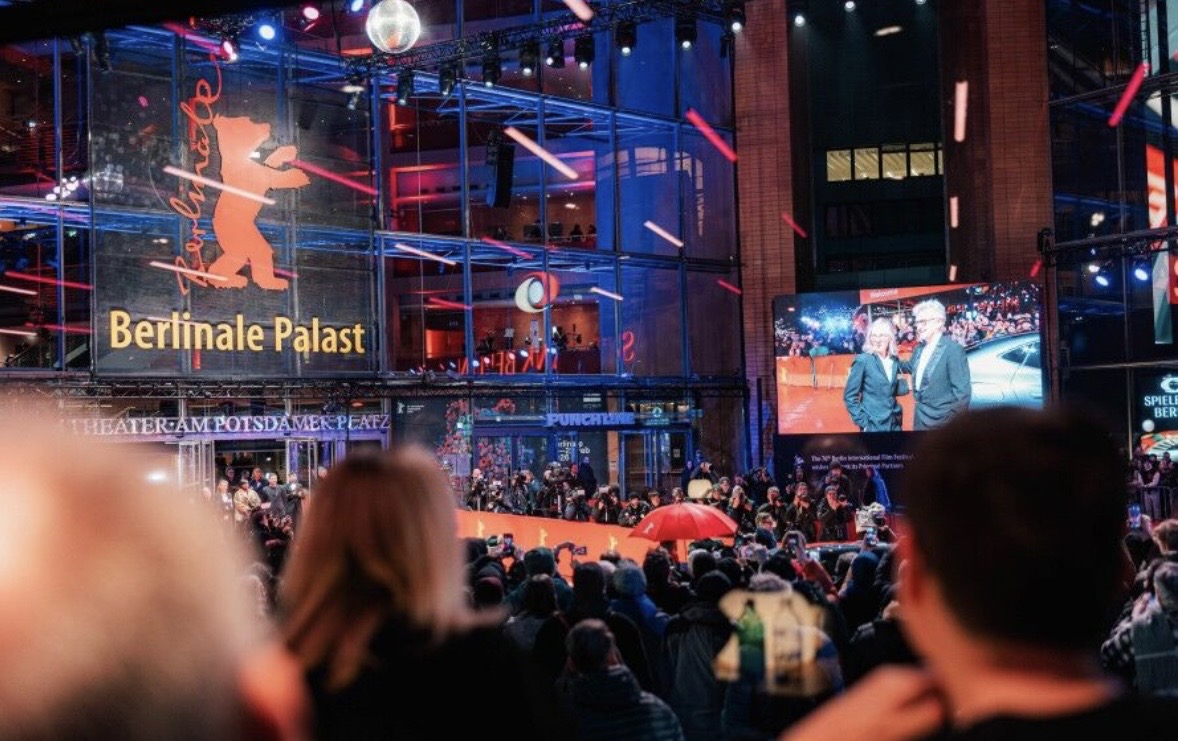
The dates for the 77th Berlin International Film Festival, widely known as the Berlinale, have been officially confirmed. According to the festival's official website, the prestigious global event is set to take place from February 10 to February 21, 2027. As a cornerstone of the international film calendar, the upcoming edition aims to provide an even more inclusive platform for filmmakers and cinema enthusiasts from around the world.
In a departure from tradition, the opening ceremony will take place on a Wednesday, one day earlier than in previous years. This strategic shift in the schedule allows for a more expansive viewing program. The highly anticipated awards ceremony, where the prestigious Golden Bear is presented to the best film, is scheduled for February 19, serving as the grand finale of the competitive section of the festival.
Festival Director Tricia Tuttle emphasized that the additional two days, February 20 and 21, will be dedicated to the "Berlinale Publikumstage" (Public Days). This initiative is designed to allow the general public to catch up on festival highlights and enjoy screenings across various venues in Berlin. By extending these opportunities, the Berlinale continues its tradition of being one of the world's most audience-friendly major film festivals.
Furthermore, the European Film Market (EFM), an essential hub for film trade and distribution, will also extend its duration, running from February 9 to February 16, 2027. While the jury and the full film lineup will be announced closer to the event, fans are already looking forward to seeing if the 77th edition can top the success of the previous year. Last season saw the Turkish drama "Yellow Letters" take the top prize, while actors such as Sandra Hüller and Tom Courtenay received top honors for their performances.
Also read


Grand Musical Gala in Ashgabat: International Pop Stars Perform at Capital Stadium
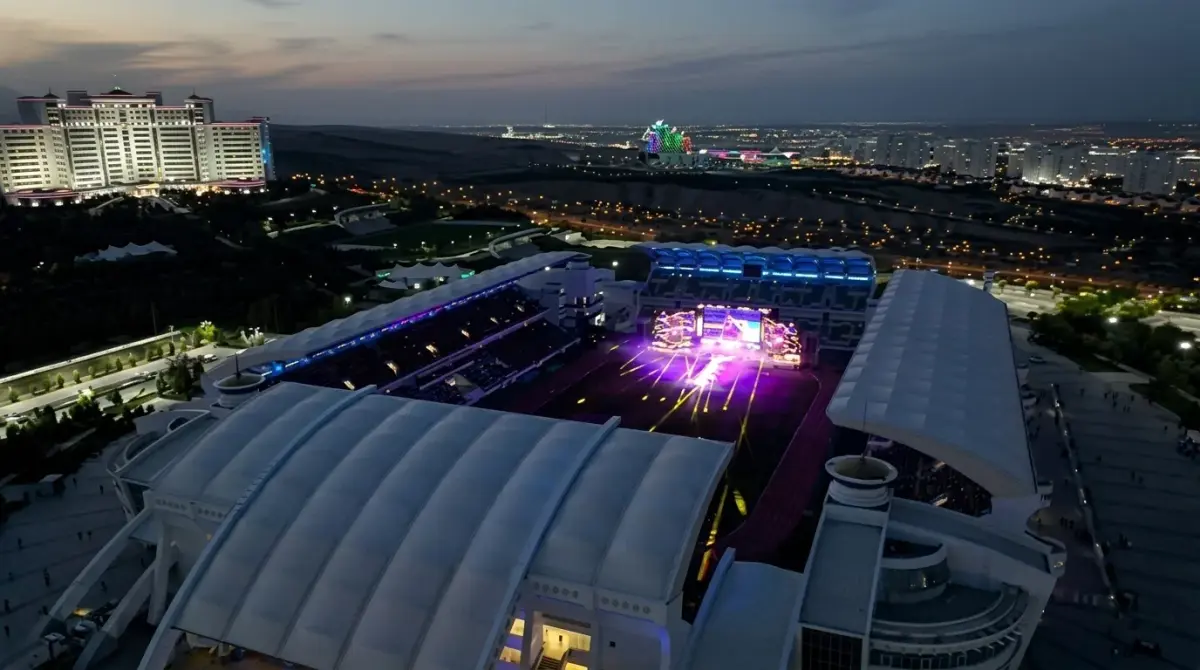
10 Oct. 06:14A festive concert featuring prominent international and domestic artists was hosted at the "Ashgabat" Multi-Purpose Stadium. The line-up included Russian Pop Star and Honored Artist of Turkmenistan Nyusha, Lebanese singer Maya Diab, Turkish pop icons Murat Boz and Hadise, along with Arsen Shakhunts. Nyusha surprised the audience by concluding her performance with the song "Bagt Nury," composed by National Leader of the Turkmen People Gurbanguly Berdimuhamedov.
Dedicated to the 35th Anniversary of Turkmenistan’s Independence, the event brought together thousands of music enthusiasts. Following their stage performances, the international guest artists expressed deep admiration for Ashgabat's urban aesthetic and the warm hospitality extended by the Turkmen public.
Blitz