
Playlist
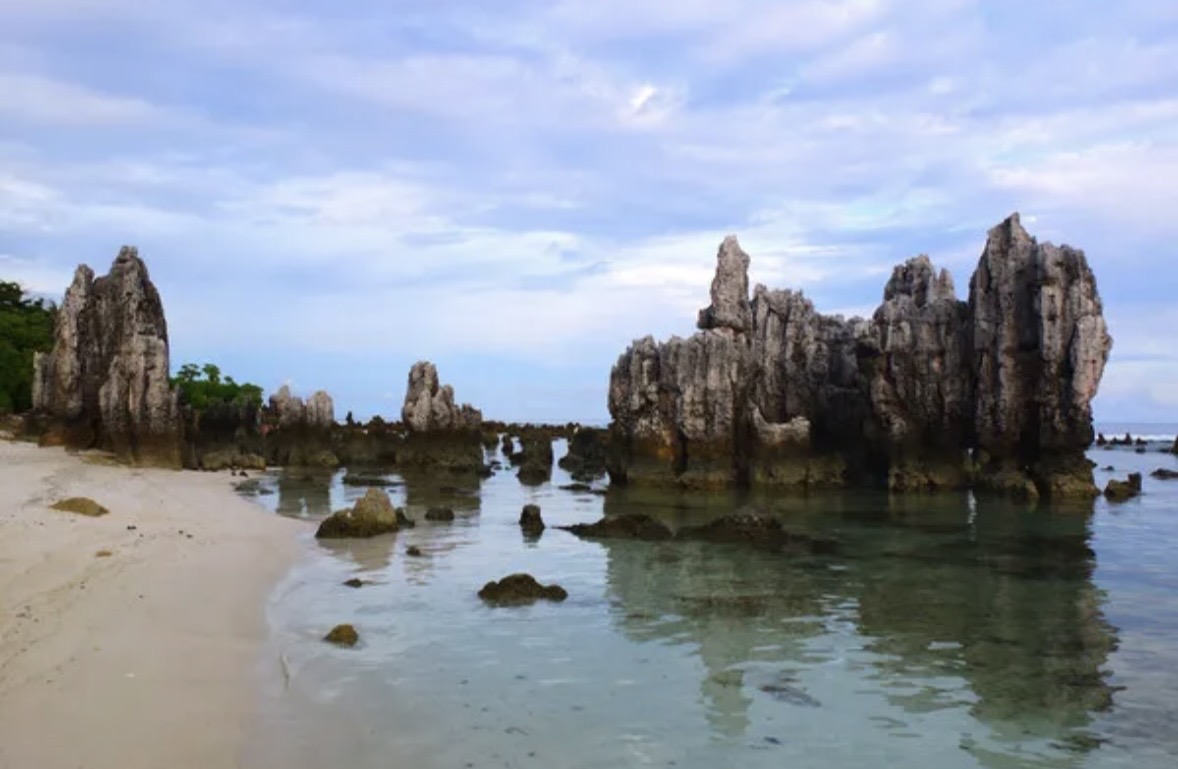
Cultural Heritage Restored: Pacific Island Nation Officially Changes Name to Republic of Naoro
01 Aug. 05:31The small Pacific island state formerly known as Nauru has officially altered its name to the Republic of Naoro. According to national authorities, returning to the island's traditional name is aimed at reinforcing national identity and safeguarding its cultural heritage.
As reported by Reuters news agency, the country's parliament had initially proposed a national referendum on the name change in May. However, President David Adeang announced via his social media platform that the administration opted to forego the public vote.
The President explained that indigenous inhabitants have historically referred to themselves and their home as Naoro. Furthermore, this name is already enshrined in the nation's Constitution and featured on its official coat of arms, whereas the spelling "Nauru" derived primarily from European colonizers who struggled with the native pronunciation.
The official name change represents a significant milestone in reclaiming the island's historical and cultural autonomy. The government anticipates that this transition will further foster national pride among the citizens of the Republic of Naoro.
Also read



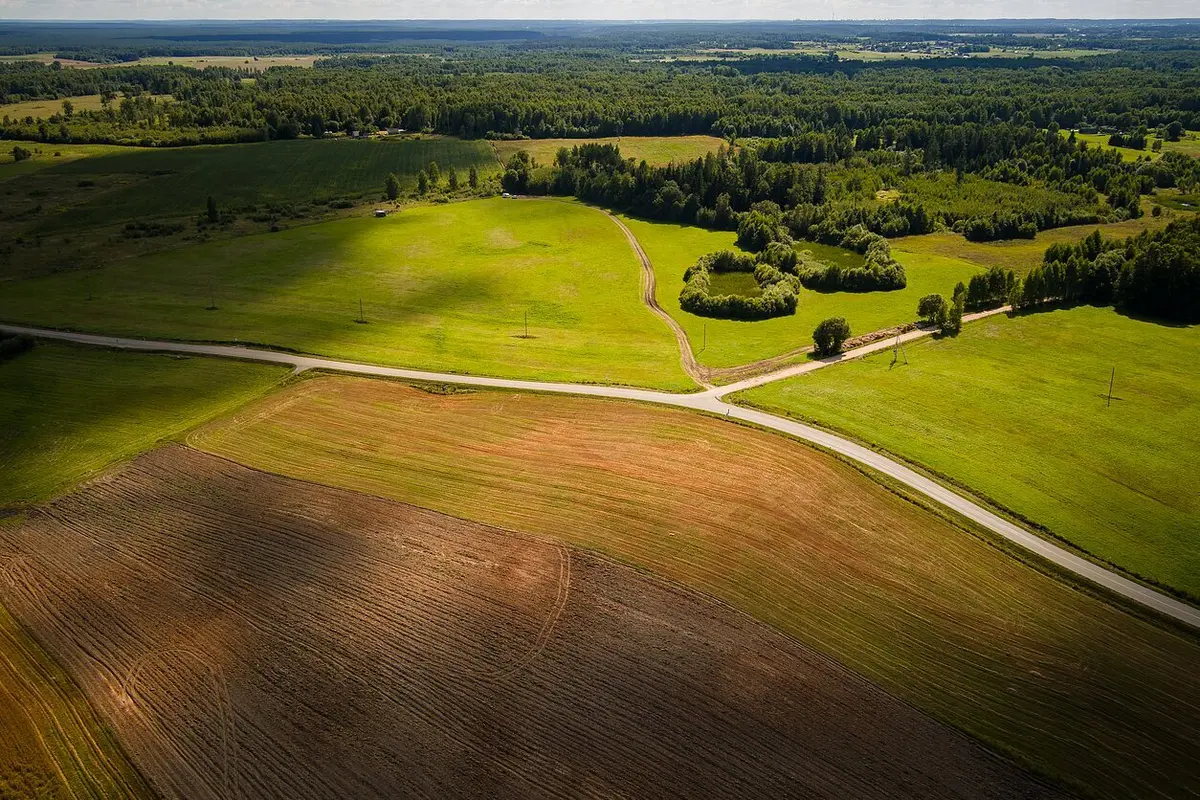
Seismic First: Scientists Officially Confirm Natural Earthquakes in Lithuania
10 Oct. 10:55The Geological Survey of Lithuania, supported by seismologists from the University of Helsinki, has officially confirmed the occurrence of natural tectonic earthquakes within the country’s borders for the first time. The seismic events, measuring 2.4 and 2.7 on the magnitude scale, occurred in western Lithuania near the Gargždai fault zone in December 2025. Furthermore, updated analysis of international seismic data allowed experts to reclassify a previously ambiguous 2015 tremor as a natural earthquake rather than human-induced activity.
Although the low-intensity quakes caused no structural damage or casualties, they mark the first instrumentally verified natural tectonic events recorded in modern Lithuanian history.
Blitz