
Playlist
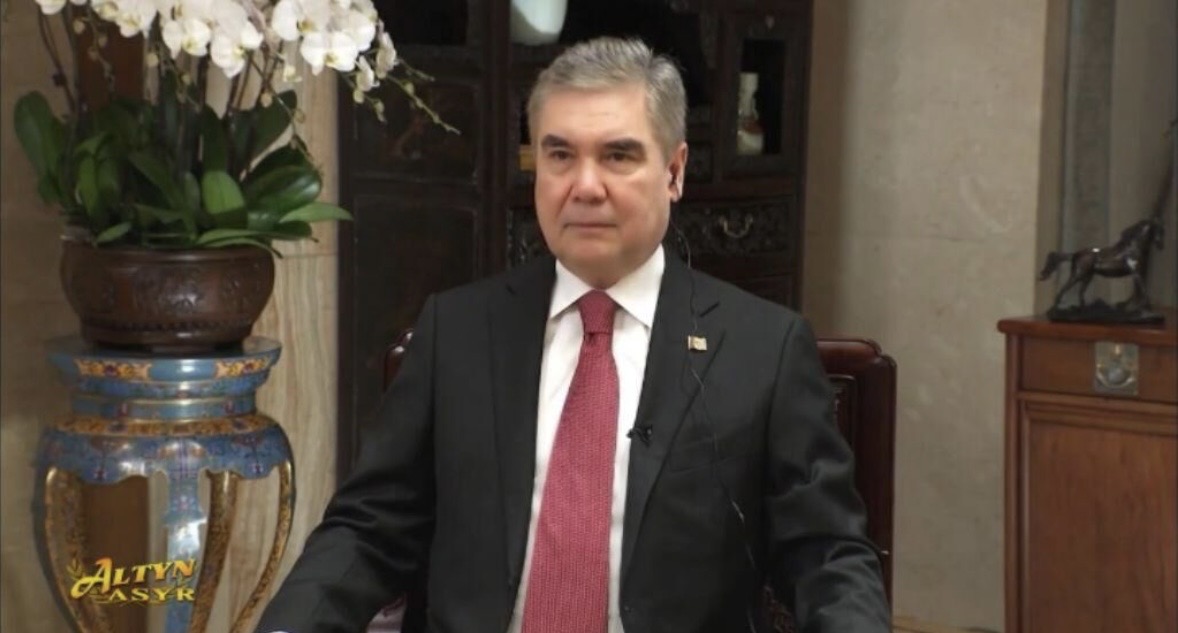
Chairman of the Halk Maslakhaty: A Fired Bullet Does Not Distinguish Between an Officer, a Soldier, or a Child…
21 Mar. 13:53Gurbanguly Berdimuhamedov, the Chairman of the Halk Maslakhaty of Turkmenistan, shared his profound views on the current global situation during an interview with China's "CGTN" channel. The National Leader noted that despite the complexities of today’s international landscape, there are ample opportunities to restore stability by relying on international legal frameworks. He highlighted that the United Nations could play a pivotal role in these efforts to maintain global security through dialogue.
The National Leader emphasized that as a neutral state, Turkmenistan does not involve itself in conflicts and strictly rejects the use of force in international relations. For Turkmenistan, this is not merely a political strategy but, fundamentally, a moral imperative. He argued that wars strike at the very heart of human lives—shattering destinies, dreams, and hopes. Therefore, he called on the global community to exert tenfold more effort toward eliminating wars rather than doubling efforts to wage them.
To illustrate his point, the Chairman of the Halk Maslakhaty quoted the wise words of the medieval Turkmen statesman Bairam Khan Turkmen: "A victory in war is nothing compared to the ability to live in peace." This timeless wisdom serves as a guiding principle for Turkmenistan’s foreign policy today. He further noted that both Turkmenistan and China remain committed to peace, good neighborliness, and mutual respect, striving to foster trust in world politics.
In one of the most poignant moments of the interview, the National Leader spoke not as a politician, but as a concerned citizen. "A fired bullet never returns," he said, adding that it does not distinguish between an officer, a soldier, a regular citizen, or a child—it only brings tragedy. By stating that history shows "war has never truly won," Gurbanguly Berdimuhamedov reaffirmed that peace is the only viable path for the prosperity and happiness of all humanity, urging a collective commitment to non-violence.
Also read
Solar Mini-Grids to Power Remote Communities Across Turkmenistan Under New Four-Million-Dollar UNDP Initiative
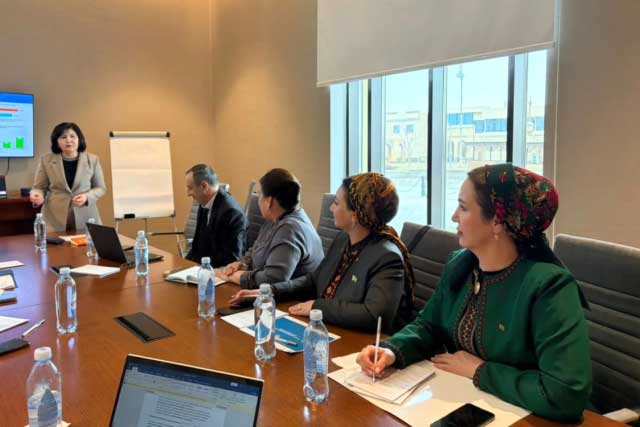
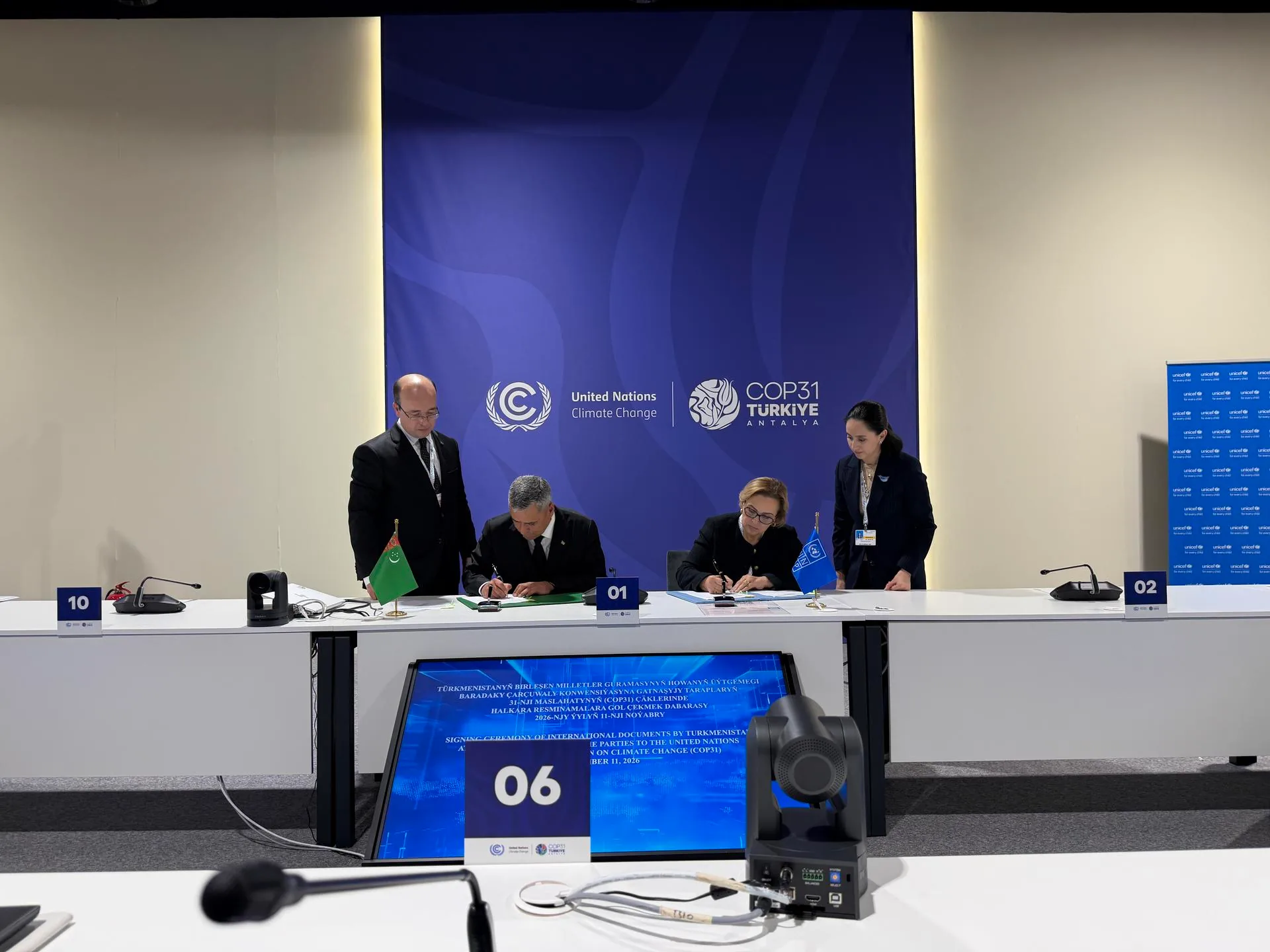
13 Nov. 14:30Following the landmark climate agreements signed on the sidelines of the COP31 conference in Antalya, the United Nations Development Programme (UNDP) has unveiled comprehensive details regarding its upcoming clean energy partnership with the Government of Turkmenistan. Backed by a Global Environment Facility (GEF) grant exceeding 4.17 million US dollars, the five-year project titled "Supporting Energy Transition for Remote Settlements of Turkmenistan" will be executed by the United Nations Office for Project Services (UNOPS) in close coordination with Turkmenistan's Ministry of Environmental Protection and Ministry of Energy.
A central pillar of the initiative involves installing and commissioning up to ten pilot solar mini-power plants with a combined capacity of up to 2 MW in isolated communities that currently rely heavily on diesel generators for electricity. These demonstration facilities will showcase the viability of solar power across Turkmenistan's remote regions and establish a blueprint for broader clean energy adoption. Building upon the operational experience gained from these initial sites, experts will conduct feasibility assessments and prepare tailored technical solutions for potentially deploying solar energy systems in an additional 120 remote settlements.
Beyond physical infrastructure, the project focuses on strengthening the regulatory and institutional framework for renewable energy, training local specialists, and expanding domestic technical expertise. UNDP Resident Representative in Turkmenistan Narine Sahakyan noted that expanding access to reliable, clean electricity significantly enhances community resilience and human well-being—particularly for women and vulnerable groups—by translating national ambitions into tangible investments. The program directly supports Turkmenistan's National Strategy for the Development of Renewable Energy through 2030, advancing the country's commitments under the Paris Agreement and the United Nations Sustainable Development Goals.
Blitz