
Playlist
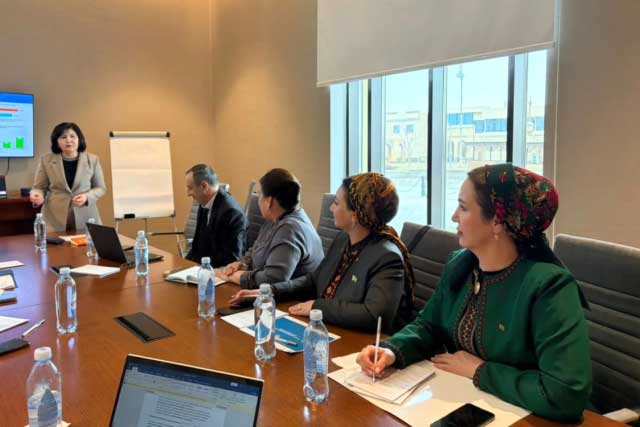
From February 9 to 13, a representative of the Turkmenistan Parliament attended a capacity-building workshop organized by the United Nations Population Fund (UNFPA) in Turkistan, Kazakhstan. The workshop aimed to improve the quality of services supporting women and families and to strengthen cooperation among relevant institutions.
Participants included representatives from government agencies, civil society organizations, health, education, and social service sectors. Discussions focused on enhancing regional coordination mechanisms for women’s support, promoting inter-agency collaboration, and sharing best practices.
Attendees also visited Family Support Centers in the Sayram and Keles districts of Turkistan, observing local service delivery, collaboration features, and innovative practices. The workshop addressed preventive measures, counseling and support services improvement, and professional capacity building for staff.
As a result, recommendations were made to enhance the national system of services for women and families, expand regional cooperation, and implement best practices more broadly.
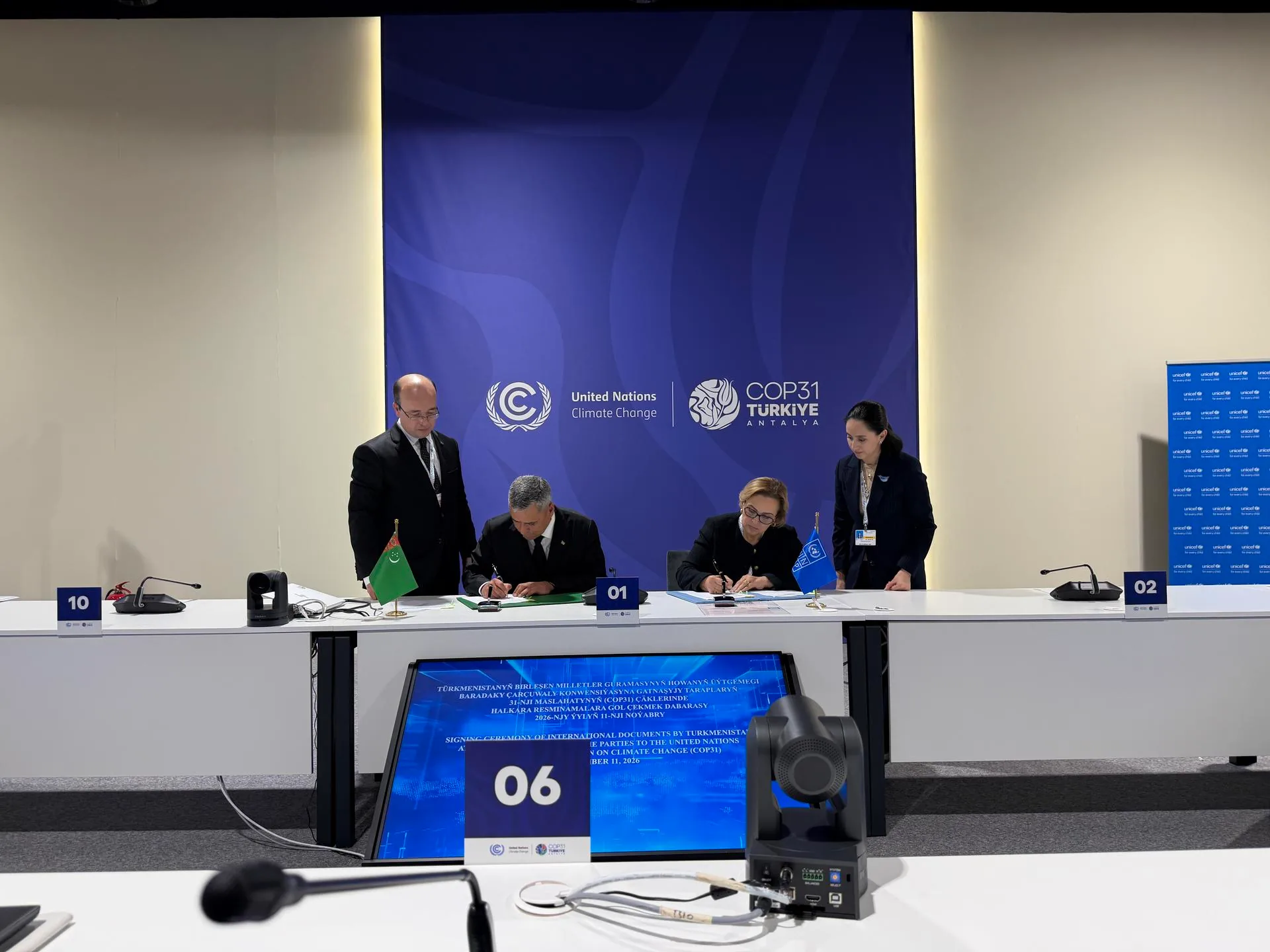
Solar Mini-Grids to Power Remote Communities Across Turkmenistan Under New Four-Million-Dollar UNDP Initiative
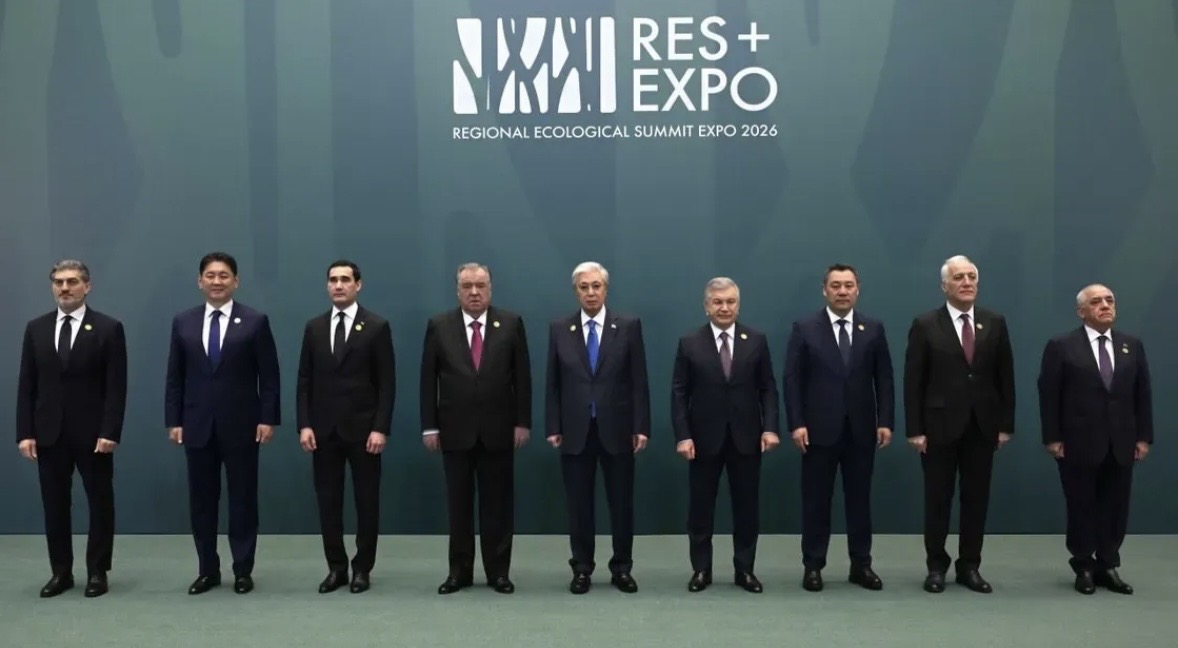
13 Nov. 14:30Following the landmark climate agreements signed on the sidelines of the COP31 conference in Antalya, the United Nations Development Programme (UNDP) has unveiled comprehensive details regarding its upcoming clean energy partnership with the Government of Turkmenistan. Backed by a Global Environment Facility (GEF) grant exceeding 4.17 million US dollars, the five-year project titled "Supporting Energy Transition for Remote Settlements of Turkmenistan" will be executed by the United Nations Office for Project Services (UNOPS) in close coordination with Turkmenistan's Ministry of Environmental Protection and Ministry of Energy.
A central pillar of the initiative involves installing and commissioning up to ten pilot solar mini-power plants with a combined capacity of up to 2 MW in isolated communities that currently rely heavily on diesel generators for electricity. These demonstration facilities will showcase the viability of solar power across Turkmenistan's remote regions and establish a blueprint for broader clean energy adoption. Building upon the operational experience gained from these initial sites, experts will conduct feasibility assessments and prepare tailored technical solutions for potentially deploying solar energy systems in an additional 120 remote settlements.
Beyond physical infrastructure, the project focuses on strengthening the regulatory and institutional framework for renewable energy, training local specialists, and expanding domestic technical expertise. UNDP Resident Representative in Turkmenistan Narine Sahakyan noted that expanding access to reliable, clean electricity significantly enhances community resilience and human well-being—particularly for women and vulnerable groups—by translating national ambitions into tangible investments. The program directly supports Turkmenistan's National Strategy for the Development of Renewable Energy through 2030, advancing the country's commitments under the Paris Agreement and the United Nations Sustainable Development Goals.
Blitz