
Playlist
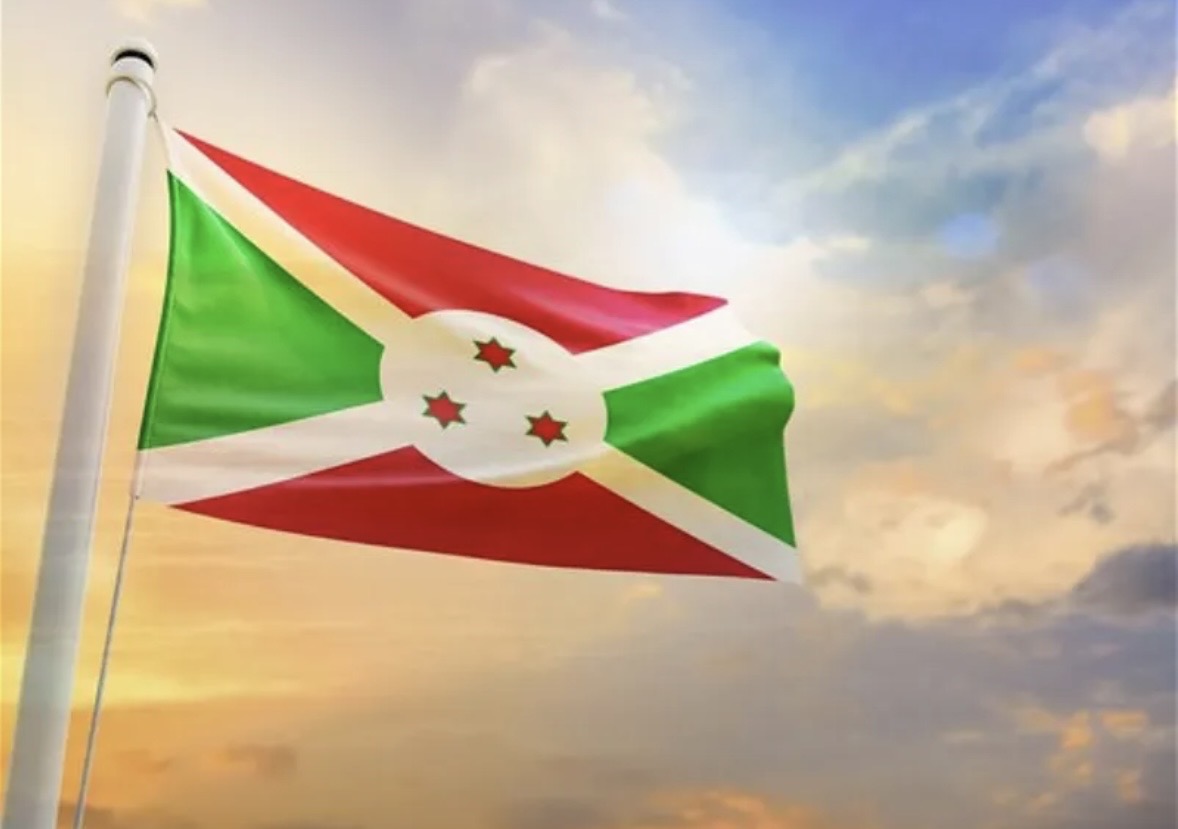
Burundi's Minister of Health, Lidwine Baradahana, has officially announced a new widespread outbreak of cholera in the country during a press conference held in the capital, Bujumbura. Medical authorities have been mobilized to contain the spread of the infection as the number of confirmed cases continues to rise. According to the ministry, specialized treatment centers are currently managing dozens of patients under strict medical supervision.
The scale of the outbreak became evident in early April when 18 patients were admitted to a major hospital in a single day. Currently, a total of 34 individuals are receiving treatment in designated isolation units. Burundian authorities are taking urgent measures to prevent the disease from reaching other regions, emphasizing public awareness and early detection.
Officials attribute the rise in cases to inadequate adherence to sanitation and hygiene standards. Since cholera is primarily transmitted through contaminated water and food, the government is focusing on improving water safety and public health infrastructure. Collaborative efforts with international partners, particularly UNICEF, have been intensified to strengthen the national response to the health crisis.
To combat the epidemic, additional medical supplies, emergency drugs, and specialized transport vehicles have been delivered to the country with the support of international agencies. These resources are intended to provide immediate aid to the affected population and ensure that treatment centers are fully equipped. The government remains focused on stabilizing the situation and bringing the outbreak under control through comprehensive sanitary interventions.
Also read



Modernization Milestones: Archman Health Resort Receives New Vehicle Fleet and International Quality Certificates
10 Oct. 09:50During the inauguration of a new medical and treatment complex at the Archman Health Resort, specialized vehicles were presented on behalf of President Serdar Berdimuhamedov. The keys to the fleet were presented by the National Leader of the Turkmen People, Gurbanguly Berdimuhamedov. Concurrently, the resort was awarded prestigious international certificates from ASKIN & CO GmbH, Med-Lab-GmbH, BTL Industries Limited, H2S in Balneology Global Initiative, and the Academy of Balneology and Climatology, recognizing its state-of-the-art diagnostic equipment and balneological standards.
To mark the occasion, the Chairman of the Halk Maslahaty signed the resort's Guest of Honor book, while healthcare professionals presented the National Leader with a handmade Turkmen carpet as a expression of gratitude.
Blitz