
Playlist
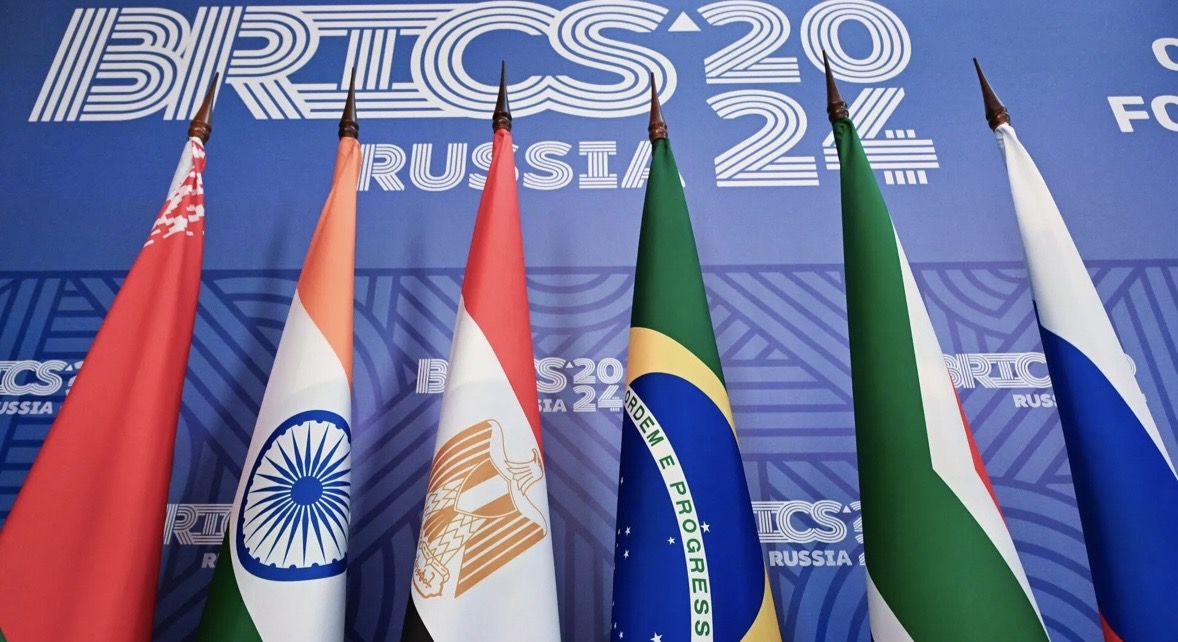
According to the latest data from the International Monetary Fund (IMF), the collective share of BRICS member states in the global economy reached a historic record of over 39% at the end of last year. This figure is notably 11% higher than the combined economic weight of the G7 nations, signaling a major shift in the global financial landscape and the rising influence of emerging markets.
The report indicates that the BRICS nations now account for 39.2% of the world's Gross Domestic Product (GDP), while the G7’s share has declined to an all-time low of 28.3%. This redistribution of economic power highlights the accelerated growth of the BRICS bloc, driven by industrial expansion, vast natural resources, and increasing intra-group trade.
China continues to be the dominant force within the group, contributing 19.6% to the global GDP, followed by India at 8.2% and Russia at 3.4%. Other significant contributors include Indonesia and Brazil, both maintaining a 2.4% share of the global economy. The steady performance of these nations is a key factor in the group's ability to outpace traditional Western economic powerhouses.
In contrast, within the G7, the United States remains the leader with a 14.6% share of the global GDP, followed by Germany at 2.9%. France and the United Kingdom both hold a 2.2% share. These evolving statistics emphasize a new era in international economics, where the BRICS alliance plays a central role in driving global production and shaping future financial policies.
Also read

Turkmenistan’s National Money Supply Grows by 27.6 Percent to Reach 77 Billion Manats
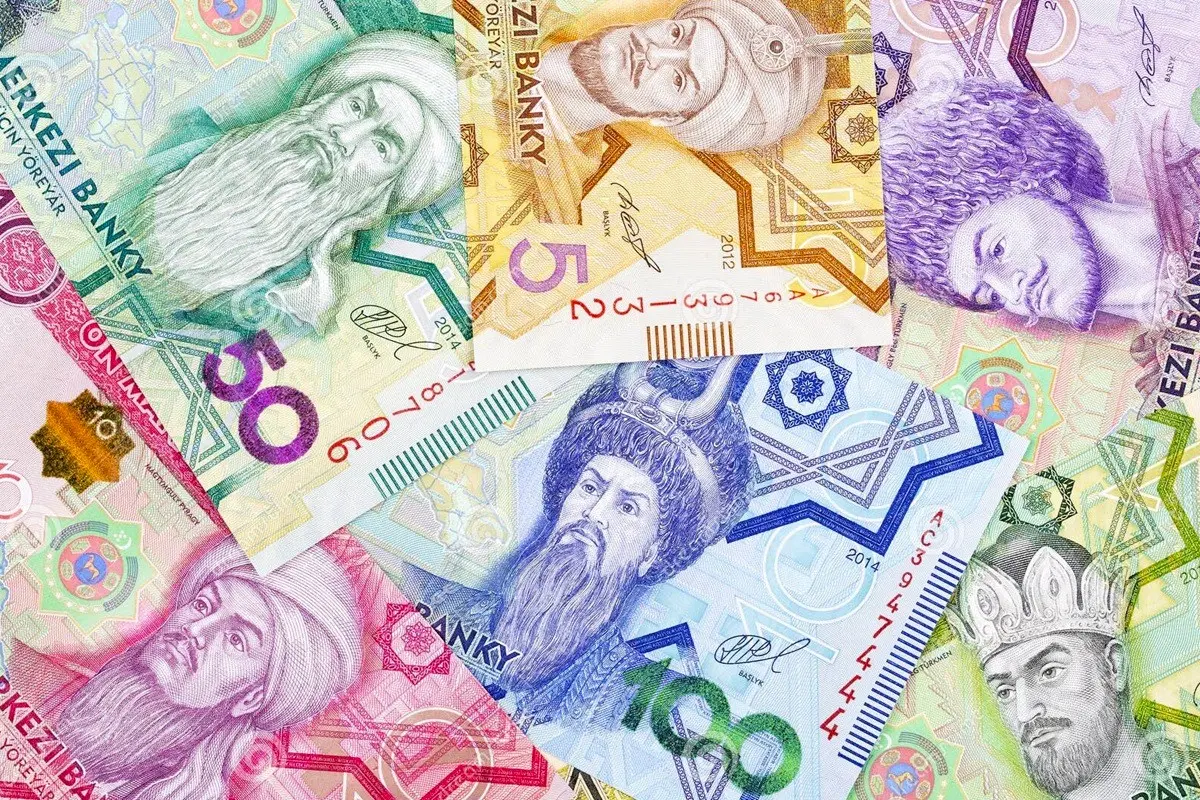
13 Nov. 06:15Turkmenistan’s transition into a new phase of economic development continues to strengthen the role of the national currency across domestic financial and industrial sectors. According to an analytical report published in today’s edition of the newspaper "Türkmenistan," the country’s money supply recorded steady expansion over the past four years. While the total national money supply stood at 60.3 billion manats as of October 1, 2022, it climbed to 77.0 billion manats by October 1, 2026, reflecting a notable 27.6 percent increase.
This substantial growth in domestic currency liquidity provides vital momentum for executing comprehensive national development strategies. The expanded financial capacity supports ongoing economic diversification, the establishment of new industrial facilities, increased manufacturing output, and targeted support for private entrepreneurship. Furthermore, the strengthened monetary base enhances commercial banking activity, accelerates the transition toward a digital economy, and broadens Turkmenistan’s international economic partnerships.
The report emphasizes that the long-term effectiveness of these large-scale initiatives relies fundamentally on the stability and resilience of the nation's financial and banking institutions, which maintain balanced currency circulation while fueling sustainable growth across the real economy.
Blitz