
Playlist
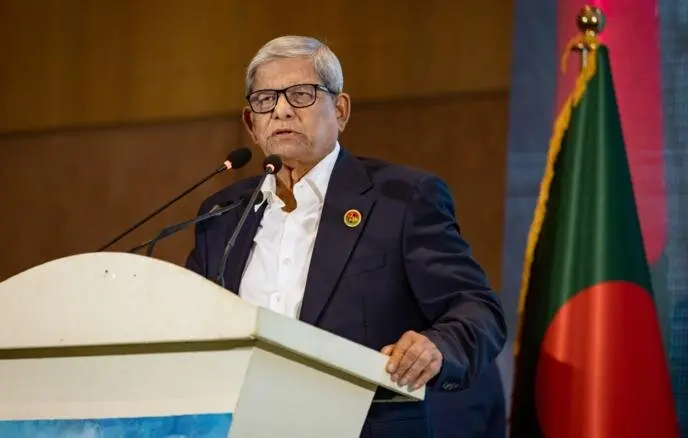
The People's Republic of Bangladesh has appointed a new head of state following a voting procedure in the national parliament. Representative of the Nationalist Party, Mirza Fakhrul Islam Alamgir, has assumed the highest state office. The newly elected leader has already begun receiving official congratulations from foreign counterparts.
President of Turkmenistan Serdar Berdimuhamedov sent an official message to the new leader of Bangladesh. In his address, the Turkmen head of state expressed warm wishes on the occasion of his election to the high post. The Leader of Turkmenistan wished the new President strong health and success in all initiatives aimed at the progress and prosperity of the Bangladeshi nation.
The political transition was necessitated by the early resignation of former head of state Mohammed Shahabuddin. The previous leader stepped down due to health reasons, which required the parliament to organize elections to fill the vacant presidential post.
The parliamentary vote to elect the head of state took place on August 20, 2026. Following the count, candidate Mirza Fakhrul Islam Alamgir secured a decisive victory with 255 votes from lawmakers, while his competitor Oli Ahmed received 88 votes.
Also read
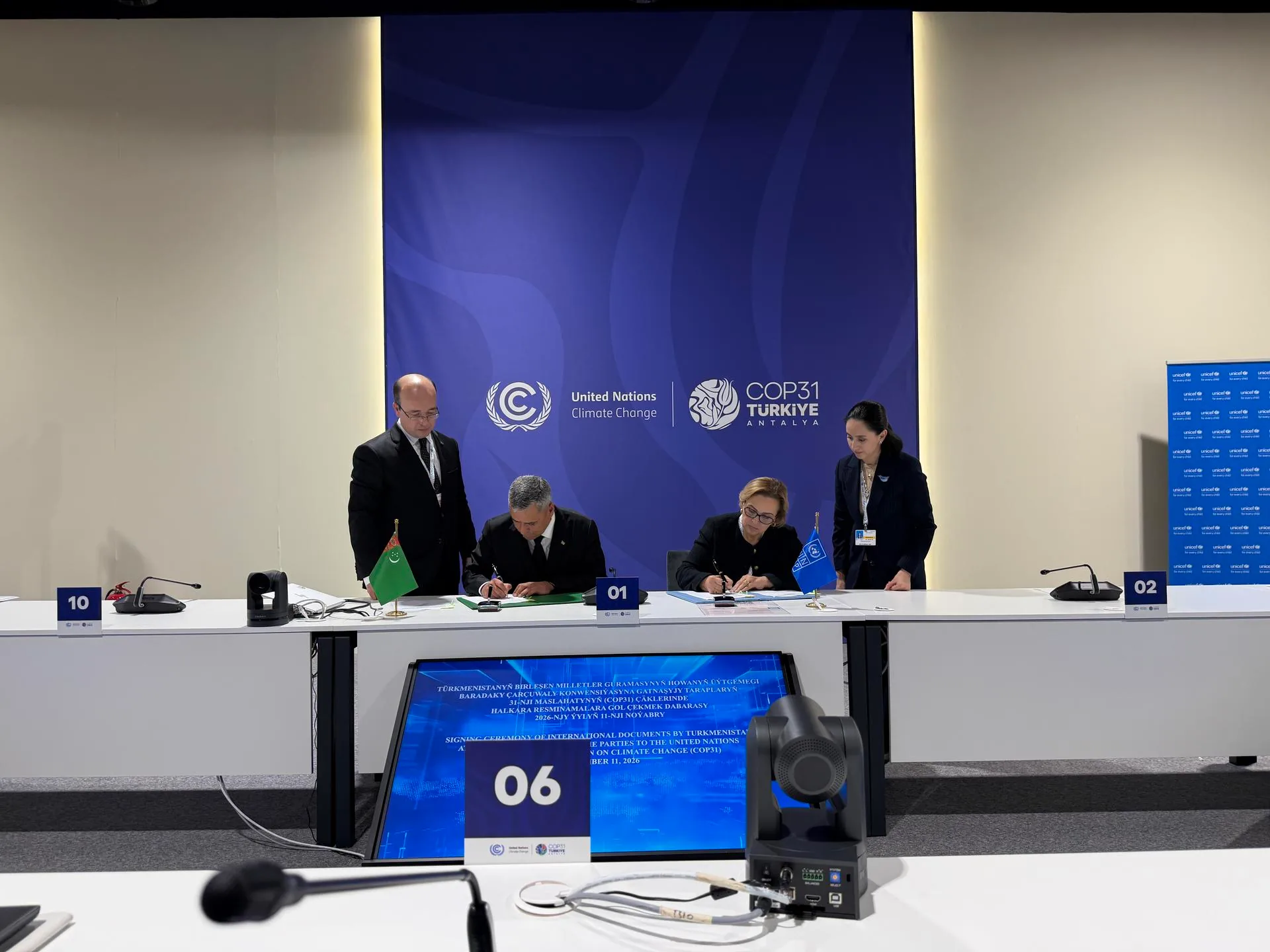
Solar Mini-Grids to Power Remote Communities Across Turkmenistan Under New Four-Million-Dollar UNDP Initiative
13 Nov. 14:30Following the landmark climate agreements signed on the sidelines of the COP31 conference in Antalya, the United Nations Development Programme (UNDP) has unveiled comprehensive details regarding its upcoming clean energy partnership with the Government of Turkmenistan. Backed by a Global Environment Facility (GEF) grant exceeding 4.17 million US dollars, the five-year project titled "Supporting Energy Transition for Remote Settlements of Turkmenistan" will be executed by the United Nations Office for Project Services (UNOPS) in close coordination with Turkmenistan's Ministry of Environmental Protection and Ministry of Energy.
A central pillar of the initiative involves installing and commissioning up to ten pilot solar mini-power plants with a combined capacity of up to 2 MW in isolated communities that currently rely heavily on diesel generators for electricity. These demonstration facilities will showcase the viability of solar power across Turkmenistan's remote regions and establish a blueprint for broader clean energy adoption. Building upon the operational experience gained from these initial sites, experts will conduct feasibility assessments and prepare tailored technical solutions for potentially deploying solar energy systems in an additional 120 remote settlements.
Beyond physical infrastructure, the project focuses on strengthening the regulatory and institutional framework for renewable energy, training local specialists, and expanding domestic technical expertise. UNDP Resident Representative in Turkmenistan Narine Sahakyan noted that expanding access to reliable, clean electricity significantly enhances community resilience and human well-being—particularly for women and vulnerable groups—by translating national ambitions into tangible investments. The program directly supports Turkmenistan's National Strategy for the Development of Renewable Energy through 2030, advancing the country's commitments under the Paris Agreement and the United Nations Sustainable Development Goals.
Blitz