
Playlist
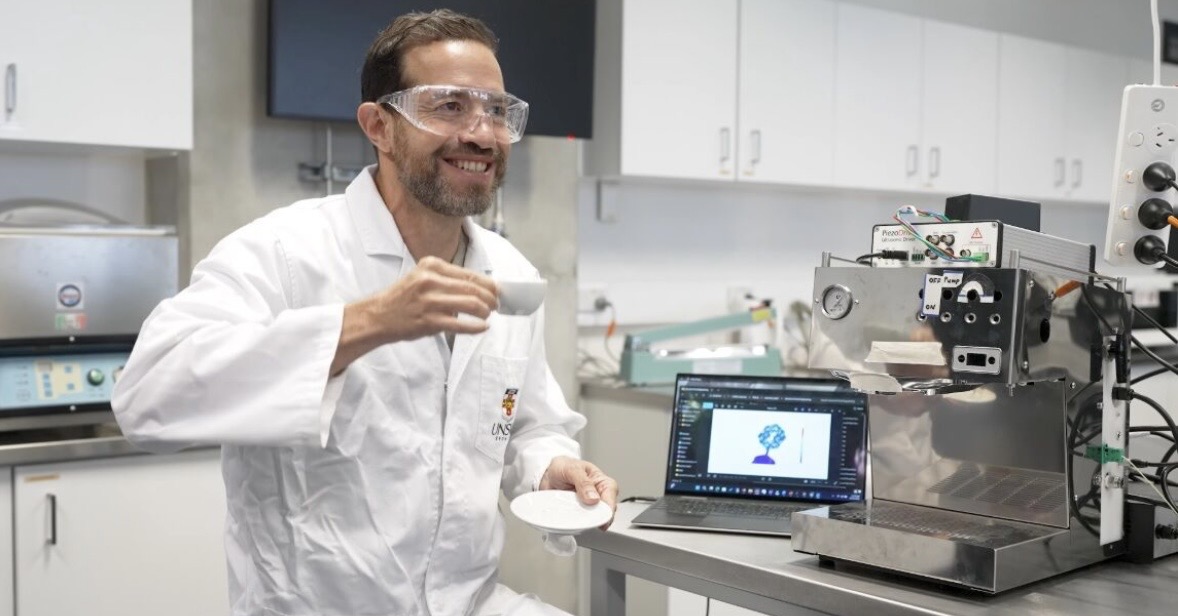
Australian Scientists Invent a Novel Coffee Brewing Method Using Ultrasound Technology
23 Jun. 18:25Researchers at the University of New South Wales in Sydney have developed a breakthrough espresso machine that utilizes high-frequency acoustic vibrations instead of hot water to brew coffee. The system directs ultrasound waves through finely ground coffee, forcing the extraction of flavors and aromas purely via mechanical energy. This process bypasses traditional thermal brewing entirely, creating a new standard for beverage preparation.
The innovative technology is primarily aimed at commercial coffee shops and industrial ready-to-drink beverage manufacturers seeking to minimize operational overheads. By eliminating the energy required to boil water, the machine reduces electricity consumption during the brewing process by approximately seventy-five percent. Furthermore, it accelerates the traditional cold-brew process, cutting the production time down from a full day to just three minutes.
According to the inventors, the ultrasound-extracted beverage matches the density and sensory profile of a classic espresso. However, unlike traditional drip or filter methods, this sonic extraction process yields a much smoother flavor profile with significantly lower bitterness. The development is expected to introduce major efficiency gains within the global commercial coffee sector.


On-the-Go Power: Japanese Engineers Develop Wireless In-Road Charging for Electric Vehicles
10 Oct. 08:10In a major leap for electric mobility, Honda R&D, alongside Taisei Corporation and Taisei Rotec, has unveiled an innovative dynamic wireless charging system that charges electric vehicles as they drive. By embedding compact energy-transmitting modules directly into the road surface, the system transfers power via a magnetic field to receivers mounted underneath moving vehicles. Designed to withstand heavy commercial transport up to 20 tons, real-world road testing is scheduled to begin in Japan in April 2027.
The technology eliminates the need for full road reconstruction, as modules can be integrated directly into milled asphalt layers. Aimed at boosting charging power up to 150 kW in future iterations, this infrastructure solution promise to significantly reduce grid pressure on traditional charging stations, particularly for logistics and commercial fleets.
Blitz