
Playlist
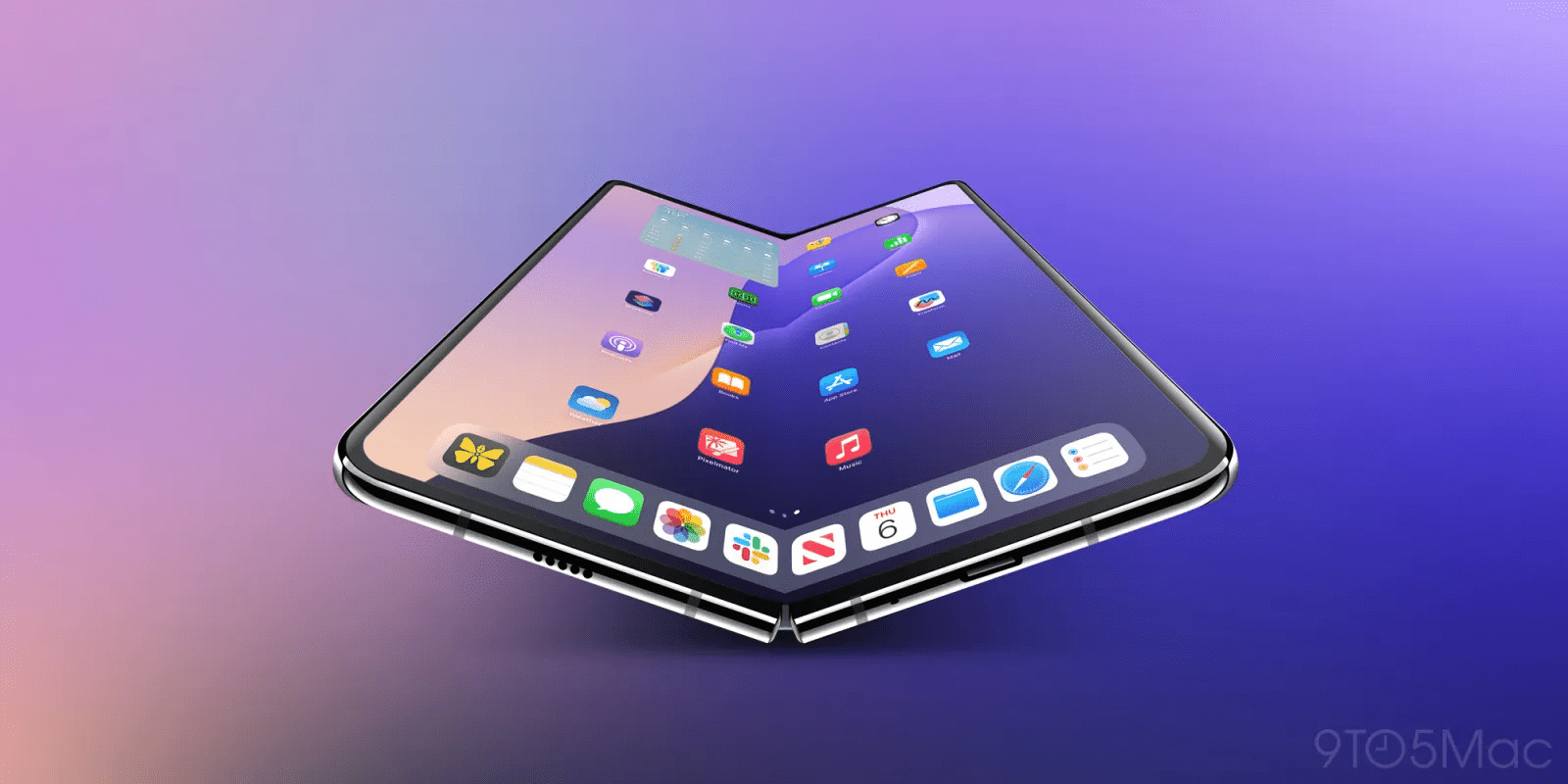
Apple Prepares Its First Foldable iPhone with Four Cameras and Touch ID
26 Aug. 07:14Apple is developing its first foldable smartphone, expected to launch in 2026, Bloomberg reports citing journalist Mark Gurman.
The device will feature four cameras: two rear, one front, and one internal. Instead of Face ID, the phone will have a Touch ID fingerprint scanner.
There are conflicting reports about the design: Gurman states it will fold like a book, similar to Samsung’s foldable models. However, other sources suggest it will fold like a flip phone, akin to the Samsung Galaxy Z Flip.
The foldable iPhone will be equipped with Apple’s own C2 cellular modem, which is similar in specs to the latest Qualcomm chip. This modem may also be used in future iPhone 18 Pro models.
The device won’t have a physical SIM card slot, in line with Apple’s move towards eSIM technology. Currently, two color options are being tested — black and white.
Earlier reports from Wall Street Journal and The Information also indicated Apple’s plans to launch a foldable iPhone in 2026, confirming the company’s strong intention to enter the foldable smartphone market.
Also read



On-the-Go Power: Japanese Engineers Develop Wireless In-Road Charging for Electric Vehicles
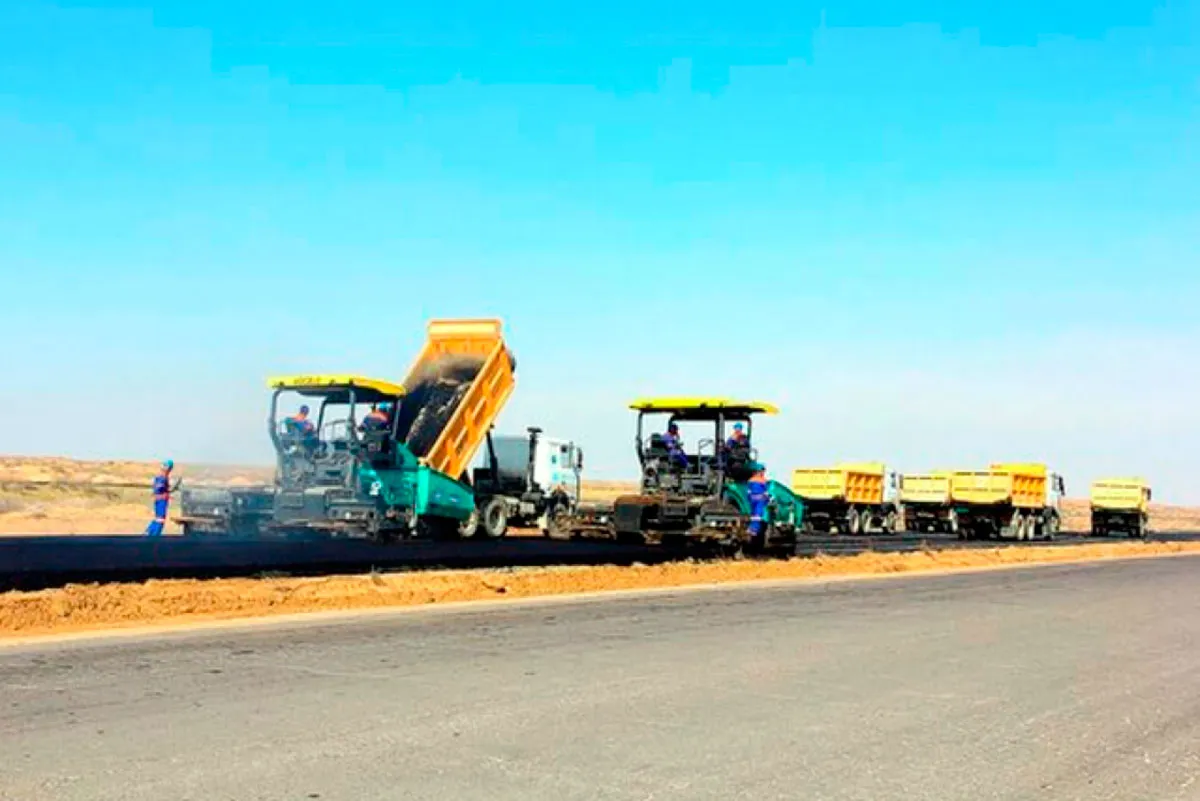
10 Oct. 08:10In a major leap for electric mobility, Honda R&D, alongside Taisei Corporation and Taisei Rotec, has unveiled an innovative dynamic wireless charging system that charges electric vehicles as they drive. By embedding compact energy-transmitting modules directly into the road surface, the system transfers power via a magnetic field to receivers mounted underneath moving vehicles. Designed to withstand heavy commercial transport up to 20 tons, real-world road testing is scheduled to begin in Japan in April 2027.
The technology eliminates the need for full road reconstruction, as modules can be integrated directly into milled asphalt layers. Aimed at boosting charging power up to 150 kW in future iterations, this infrastructure solution promise to significantly reduce grid pressure on traditional charging stations, particularly for logistics and commercial fleets.
Blitz