
Playlist
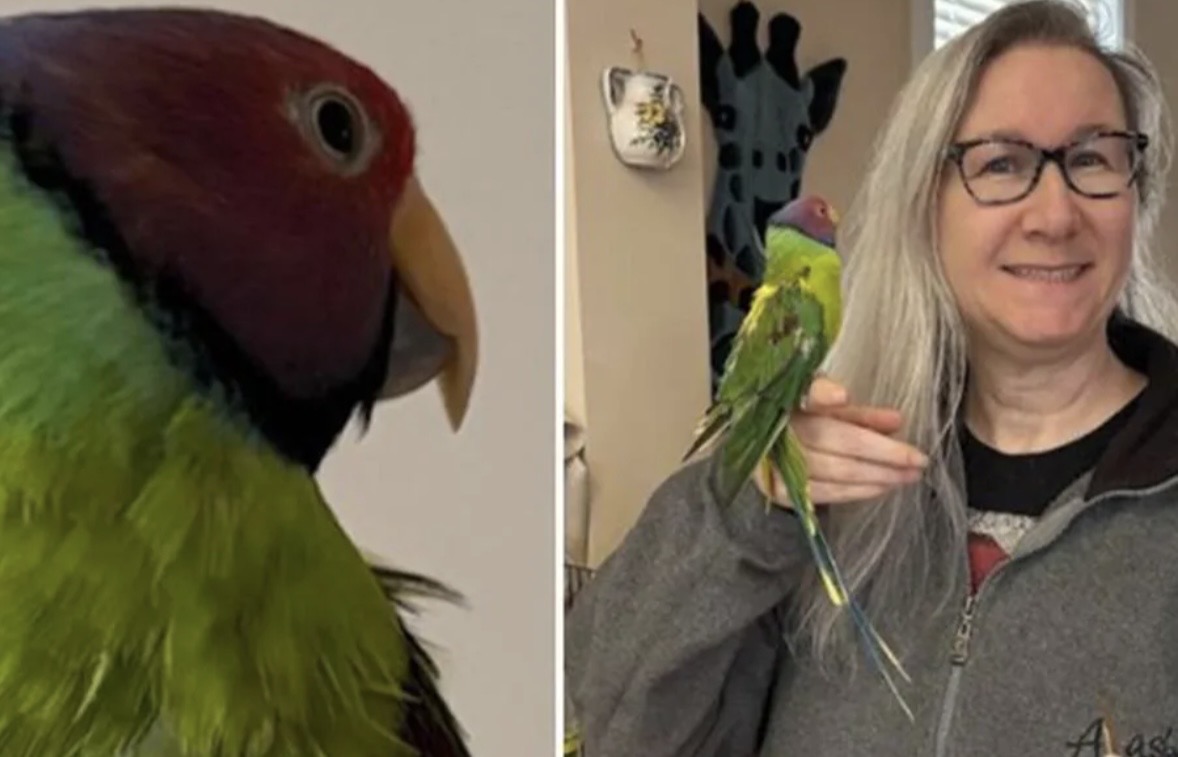
American Woman's 32-Year-Old Budgerigar Certified as the World's Oldest Living Parrot
30 Jun. 13:42An extraordinary milestone in veterinary science and domestic pet longevity has been officially documented in the United States. A budgerigar named Spudls has been formally recognized as the oldest living individual of his specific species currently alive on the planet. At the exact time the global record was verified, the bird’s documented lifespan had reached an astonishing 32 years and 86 days.
The parrot's dedicated owner, Amanda Bet, who resides in the state of South Carolina, revealed the historical background of her unique avian companion. The long-lived budgerigar was originally presented to her as a gift by her mother back in 1997, at which point the bird was already approximately three years of age. Amanda amusingly notes that whenever people inquire about her pet's condition, she jokingly responds that he is simply waiting for his next meal.
Despite his advanced biological age, Spudls continues to demonstrate steady behavioral habits and maintains social contact with his environment. His owner notes that while the elderly bird has become noticeably quieter and less vocal in recent years, he has retained his signature morning routine. Every single morning without fail, the historic pet greets family members by clearly vocalizing the phrase, "Beautiful bird."
Avian experts and researchers emphasize that this specific case vastly exceeds the standard life expectancy curves established for small domesticated birds. Under conventional domestic environments and optimal care, budgerigars typically maintain an average life expectancy of only 15 to 20 years. Consequently, Spudls has managed to double the traditional biological lifespan of his species, creating a valuable case study in pet longevity.




Tech Giant Amazon Negotiates Landmark $7 Billion Acquisition of AI Startup Decart
12 Oct. 11:31Amazon is reportedly in advanced talks to acquire the Israeli artificial intelligence startup Decart in a deal valued at approximately $7 billion, according to The Wall Street Journal. Founded in 2023, Decart specializes in software that seamlessly bridges various AI processors and develops generative 3D world models such as "Lucy" and "Oasis." The startup had previously reached a $4 billion valuation earlier this year after raising over $400 million from major venture funds.
The strategic acquisition is poised to boost Amazon’s AWS cloud computing division, enhancing its proprietary Trainium3 AI chips to better compete against market leader Nvidia in generative AI hardware infrastructure.
Blitz