
Playlist
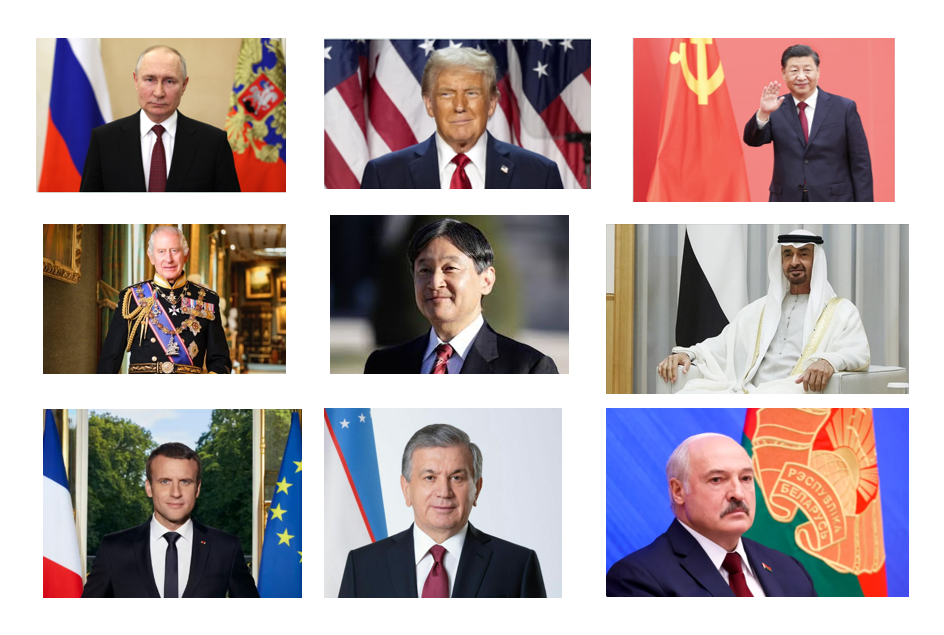
On the occasion of Turkmenistan’s 34th Independence Day, President Serdar Berdimuhamedov received congratulatory messages from world leaders.
Chinese President Xi Jinping highlighted the strategic partnership and proposed building a "Community of Shared Destiny."
Russian President Vladimir Putin noted the development of cooperation in all areas.
US President Donald Trump reaffirmed support for Turkmenistan's sovereignty and policy of neutrality.
Leaders of Uzbekistan, Kazakhstan, Tajikistan, Kyrgyzstan, Azerbaijan, and Iran expressed readiness to deepen cooperation.
Greetings also came from the leaders of France, Italy, Japan, Saudi Arabia, the UAE, Armenia, and Belarus.
Number of New International Students in the US Drops by 15%
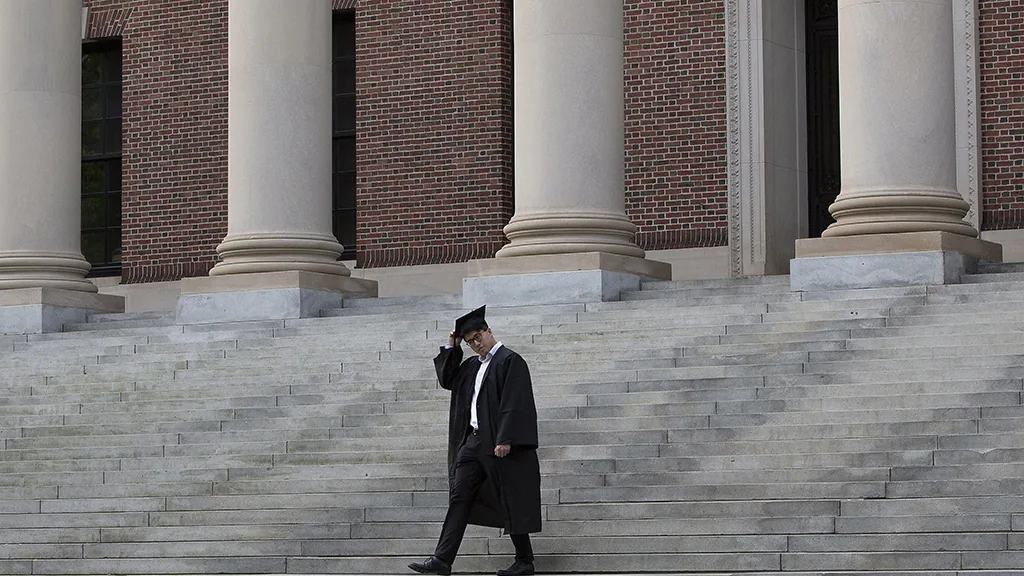
17 Nov. 17:00During the fall 2026 semester, the number of new international students enrolled in American educational institutions declined by 15% compared to the same period last year, according to CNBC. Over the entirety of the 2025–2026 academic year, the total population of international students in the United States dropped by more than 17%, with the steepest declines observed among students hailing from India and China.
Colleges surveyed by the publication attribute this downward trend to tighter US immigration policies and recent modifications governing student visa validity periods.
Data from NAFSA: Association of International Educators shows that international students contributed nearly $40 billion to the US economy during the 2025–2026 academic year. The drop in enrollment is projected to trigger financial losses of approximately $2.4 billion this academic year.
Fitch Ratings notes that shifts in visa regulations will primarily impact the financial stability of American colleges and universities. International enrollees typically pay full tuition or receive far less financial aid than domestic students. The consequences could prove especially severe for institutions heavily reliant on large master's programs and STEM (science, technology, engineering, and math) courses, which attract 57% of all international students.
Also read



Blitz