
Playlist
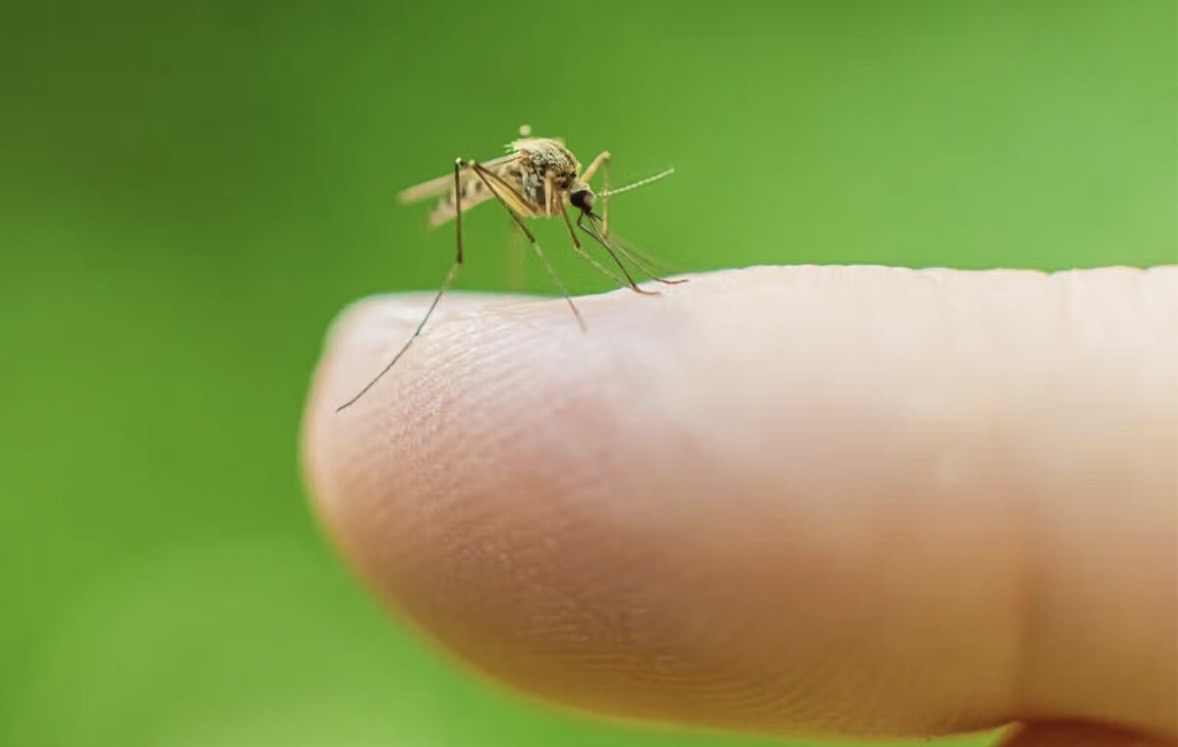
Who is more dangerous to humans – humans themselves or animals? The first place will surprise you
16 May. 09:05Statistical analysis released by the research project "Our World in Data" indicates that the primary biological threats to human survival stem from microscopic disease vectors rather than large predatory animals. Global health data reveals that common misconceptions regarding environmental dangers shift public attention away from the actual sources of high mortality rates worldwide.
Mosquitoes are classified as the deadliest organisms on Earth, accounting for approximately 760,000 human fatalities annually. These insects act as primary vectors for transmitting lethal pathogens, including dengue fever, yellow fever, and malaria. According to the World Health Organization (WHO), malaria alone caused over 600,000 deaths in a single year, with the highest concentration of casualties recorded in developing nations such as Nigeria and the Democratic Republic of the Congo.
The second highest cause of death within this framework is attributed to human violence and criminal activities, resulting in hundreds of thousands of fatalities each year. In comparison, venomous snakebites cause around 100,000 annual deaths, while rabies transmitted by dogs claims nearly 40,000 lives. Additionally, freshwater snails and triatomine bugs pose significant health risks by transmitting schistosomiasis and Chagas disease to vulnerable populations.
Public health experts emphasize that while fears often center on apex predators like sharks or scorpions, statistical data shows their impact is minimal. The key to reducing global mortality rates relies heavily on improving access to vaccines and implementing effective pest-control measures in socio-economically disadvantaged regions.
Also read


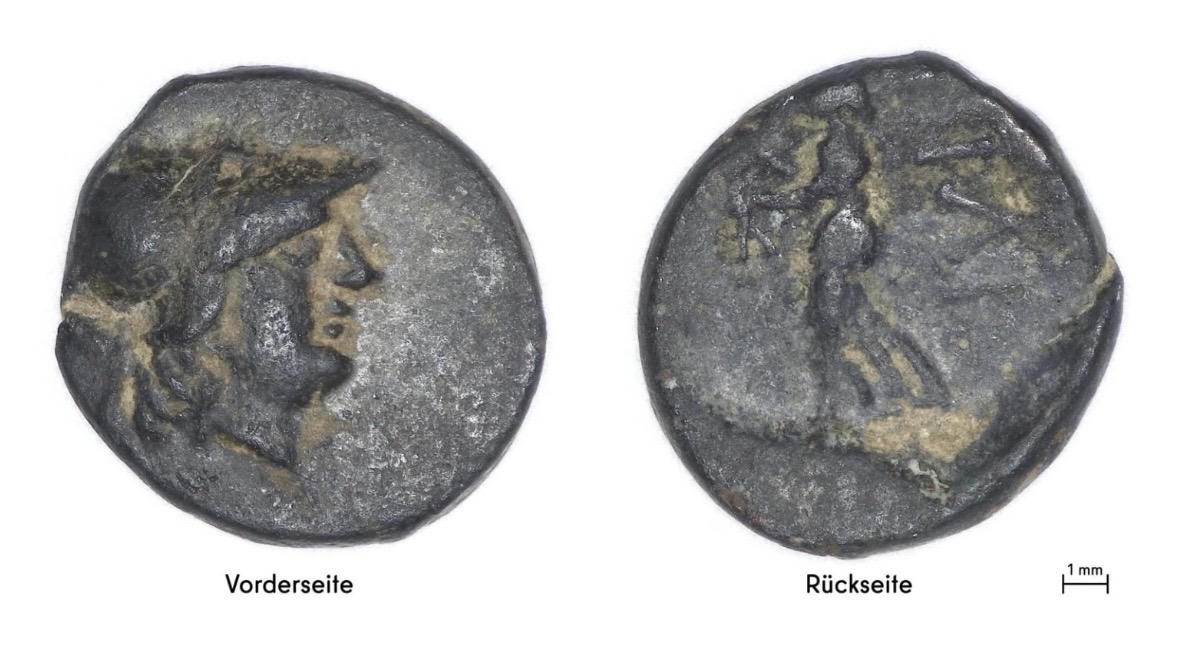
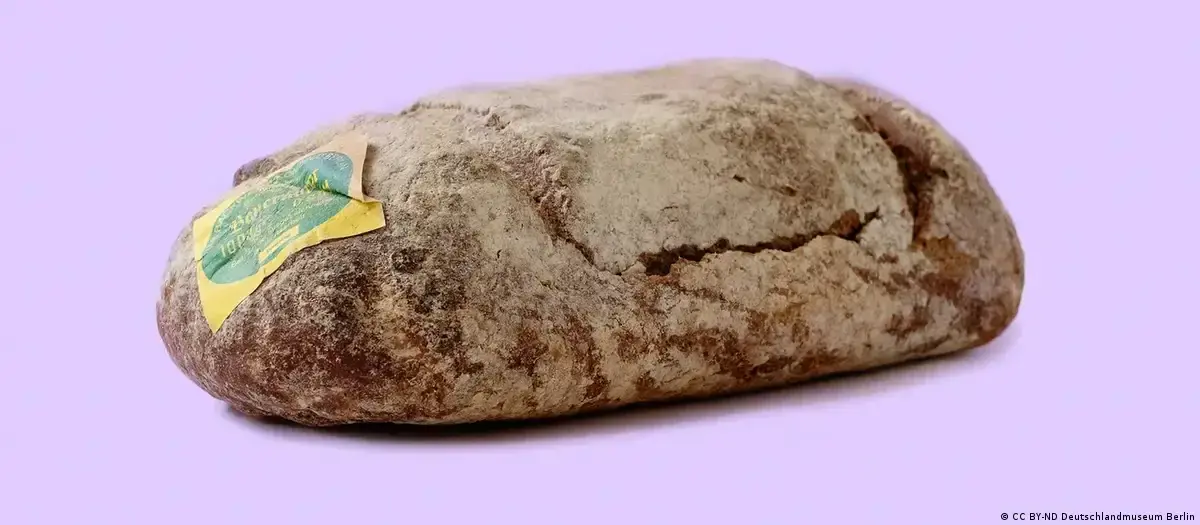
A rye-wheat loaf preserved in a freezer for 36 years has been put on public display as part of the permanent exhibition at the Deutschlandmuseum in Berlin. Dubbed "The Last Loaf of the GDR," it was originally purchased on June 26, 1990, by student Michael Hagedorn, who bought an extra loaf fearing potential food shortages amidst the economic unification of East and West Germany.
The museum's director, Robert Rückel, described the unusual artifact as a unique poignant symbol of everyday human decisions during times of monumental geopolitical change. To maintain its preserved state, the museum installed a custom refrigeration unit where the historical loaf remains permanently frozen for visitors to view.
Blitz