
Playlist
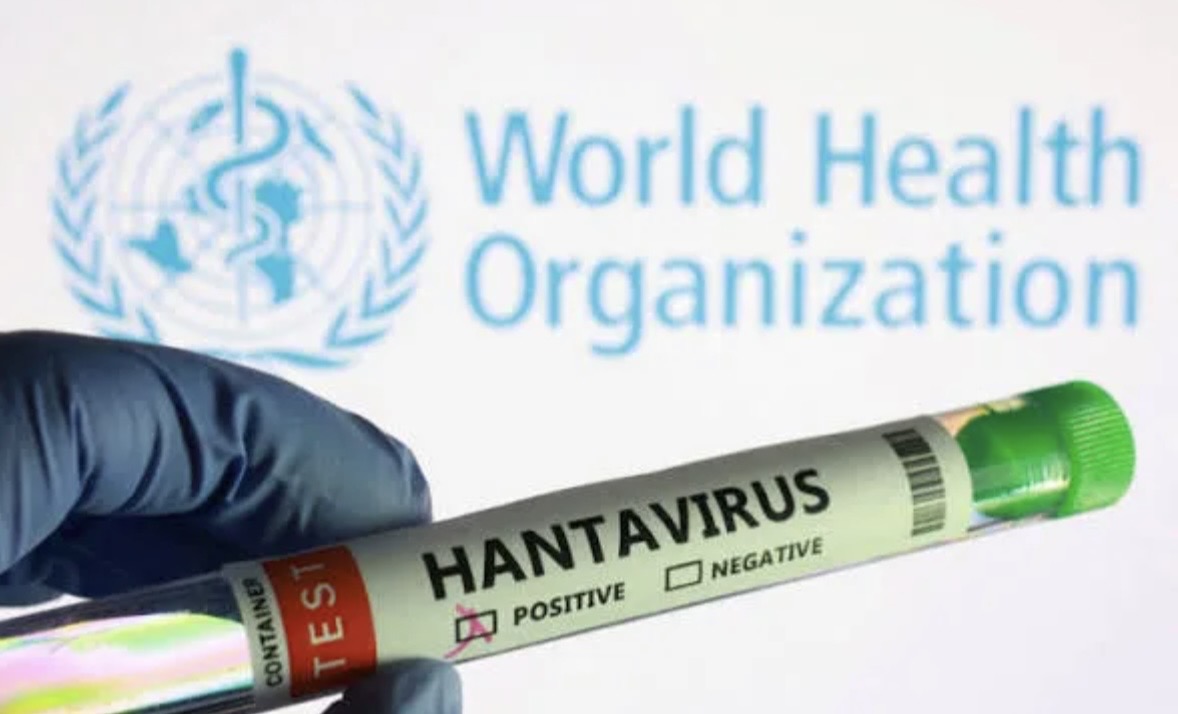
The World Health Organization (WHO) has assessed the risk of a hantavirus outbreak following cases detected on the cruise ship "MV Hondius," concluding that the potential for a global pandemic is very low. In a statement released via official channels, the organization noted that based on current data, the situation is contained and poses no significant threat to international public health.
According to the WHO, although some passengers may have been exposed to the virus during its incubation period, the overall health risk remains minimal. Routine health monitoring of uninfected passengers is deemed sufficient at this stage. The organization also reported that the risk of further transmission has significantly decreased following the swift implementation of control and containment measures.
The WHO's assessment highlights that hantaviruses typically do not spread easily between humans, further reducing the likelihood of a widespread epidemic. No additional travel restrictions are recommended at this time.



Modernization Milestones: Archman Health Resort Receives New Vehicle Fleet and International Quality Certificates
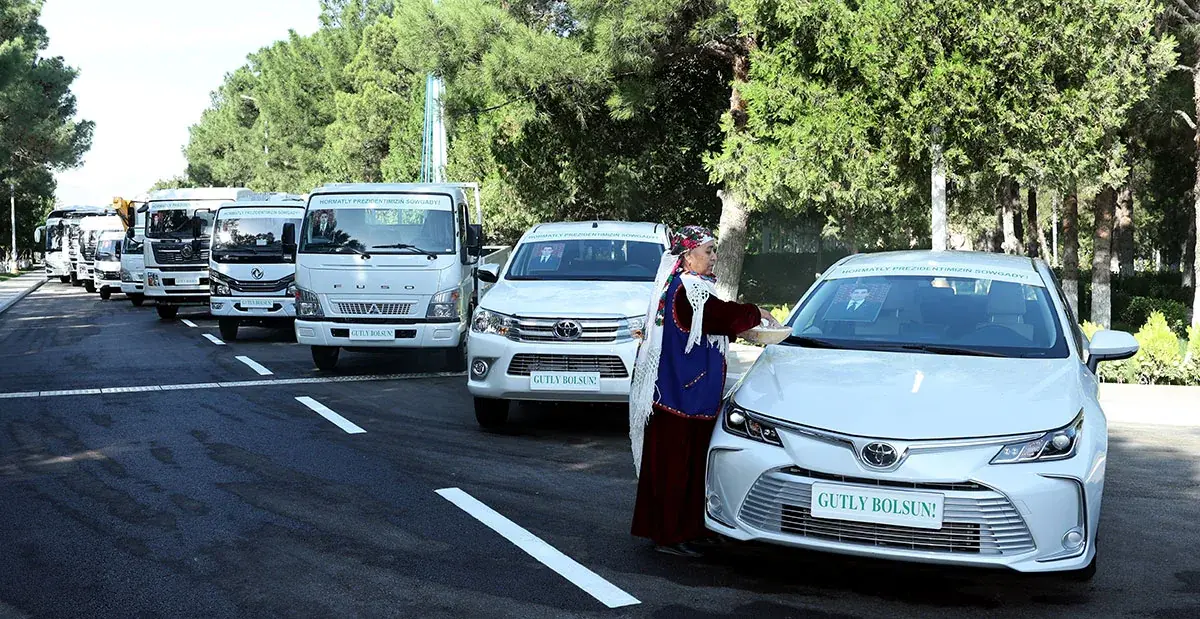
10 Oct. 09:50During the inauguration of a new medical and treatment complex at the Archman Health Resort, specialized vehicles were presented on behalf of President Serdar Berdimuhamedov. The keys to the fleet were presented by the National Leader of the Turkmen People, Gurbanguly Berdimuhamedov. Concurrently, the resort was awarded prestigious international certificates from ASKIN & CO GmbH, Med-Lab-GmbH, BTL Industries Limited, H2S in Balneology Global Initiative, and the Academy of Balneology and Climatology, recognizing its state-of-the-art diagnostic equipment and balneological standards.
To mark the occasion, the Chairman of the Halk Maslahaty signed the resort's Guest of Honor book, while healthcare professionals presented the National Leader with a handmade Turkmen carpet as a expression of gratitude.
Blitz