
Playlist
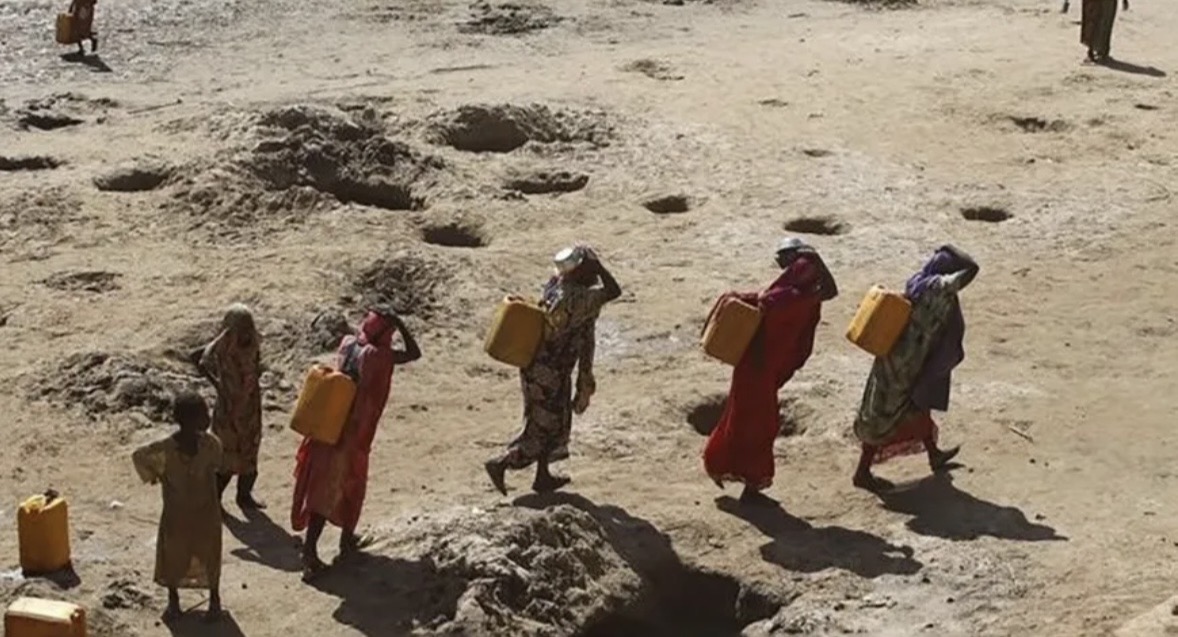
United Nations Reports Severe Global Deficit in Access to Safe Drinking Water and Sanitation
29 May. 06:52The global community faces an accelerating crisis regarding human access to essential natural resources, according to internal strategic assessments conducted by international organizations. UN Under-Secretary-General for Economic and Social Affairs, Li Junhua, disclosed critical metrics during a formal press engagement touching upon macro-environmental welfare. The executive briefing was delivered at the conclusion of the high-level international conference on the Water Action Decade, "Water for Sustainable Development, 2018–2028," recently hosted in Dushanbe, Tajikistan.
According to verified statistical data curated by United Nations departments, international compliance programs are lagging significantly behind the implementation targets established under Sustainable Development Goal 6. Li Junhua emphasized that contemporary structural advancements in resource distribution have slowed to an unacceptable rate, necessitating urgent administrative interventions by sovereign governments. Currently, an estimated 2,2 billion citizens are restricted from accessing uncontaminated municipal drinking systems, while roughly 3,5 billion people reside without appropriate protective sanitation channels.
The primary impediment preventing the eradication of this humanitarian challenge remains a structural lack of capital deployment into regional utility networks. The UN under-secretary-general highlighted that modern civil engineering and water purification programs face an annual funding shortfall exceeding 130 billion USD globally. Resolving this critical infrastructure gap will require massive realignments of international aid packages and private capital investments, focused directly toward developing territories that lack appropriate institutional reserves.
The ongoing biological stress caused by poor infrastructure directly compromises public health while severely dampening economic production cycles across vulnerable sectors. The absence of modernized waste management assets and closed-loop filtration grids regularly triggers cross-border outbreaks of infectious waterborne pathogens. Consequently, the United Nations is urging developed industrial economies and sovereign wealth funds to consolidate resources immediately to avert widespread ecological displacement and associated humanitarian strain over the coming decade.
Also read


Wildfire Threat in California: Emergency Evacuations Ordered Near Los Angeles
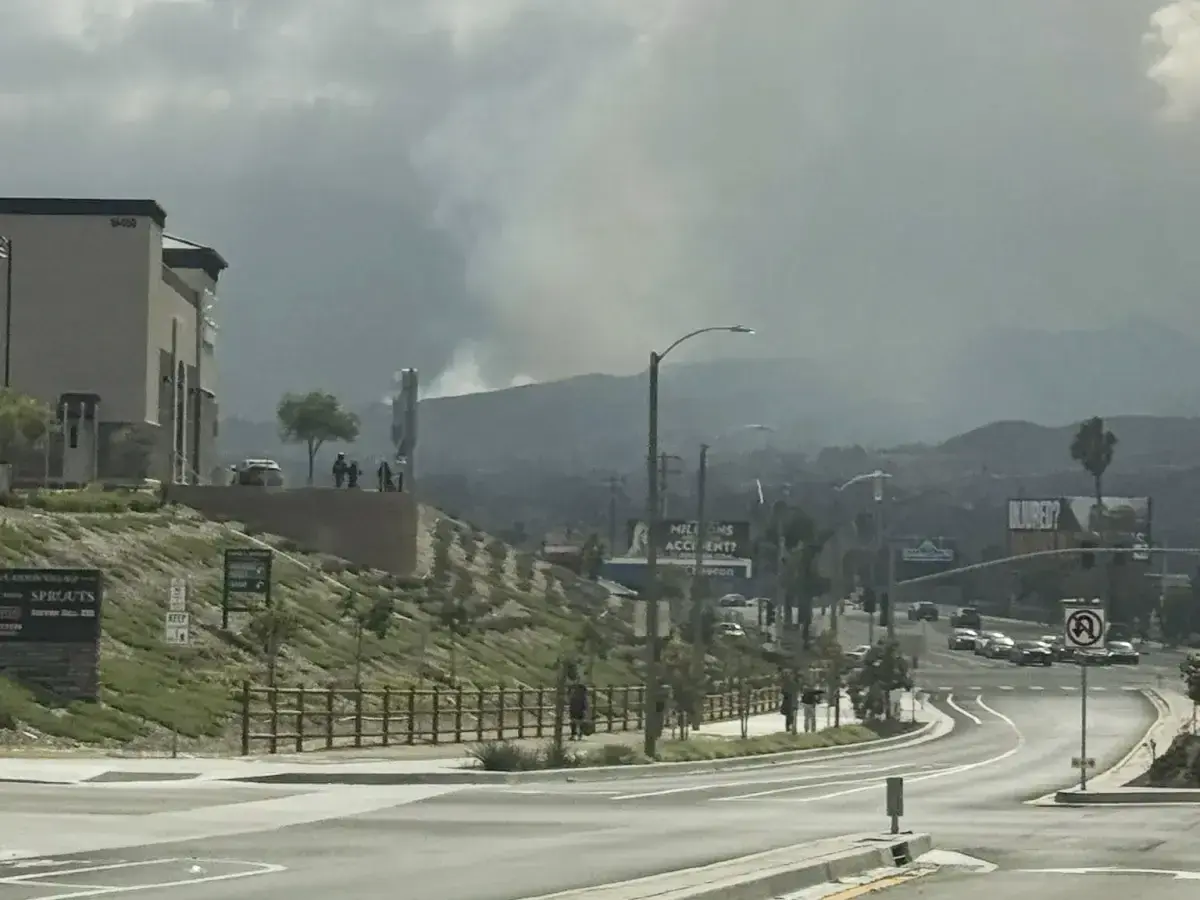
Today in 09:33A fast-moving wildfire named "Bike" broke out near the city of Santa Clarita, just outside Los Angeles, California. Covering over 70 hectares in a short span, the blaze prompted emergency evacuation orders across eight local sectors. A temporary shelter has been established for displaced residents at the College of the Canyons in Santa Clarita while authorities investigate the cause of the fire.
Blitz