
Playlist
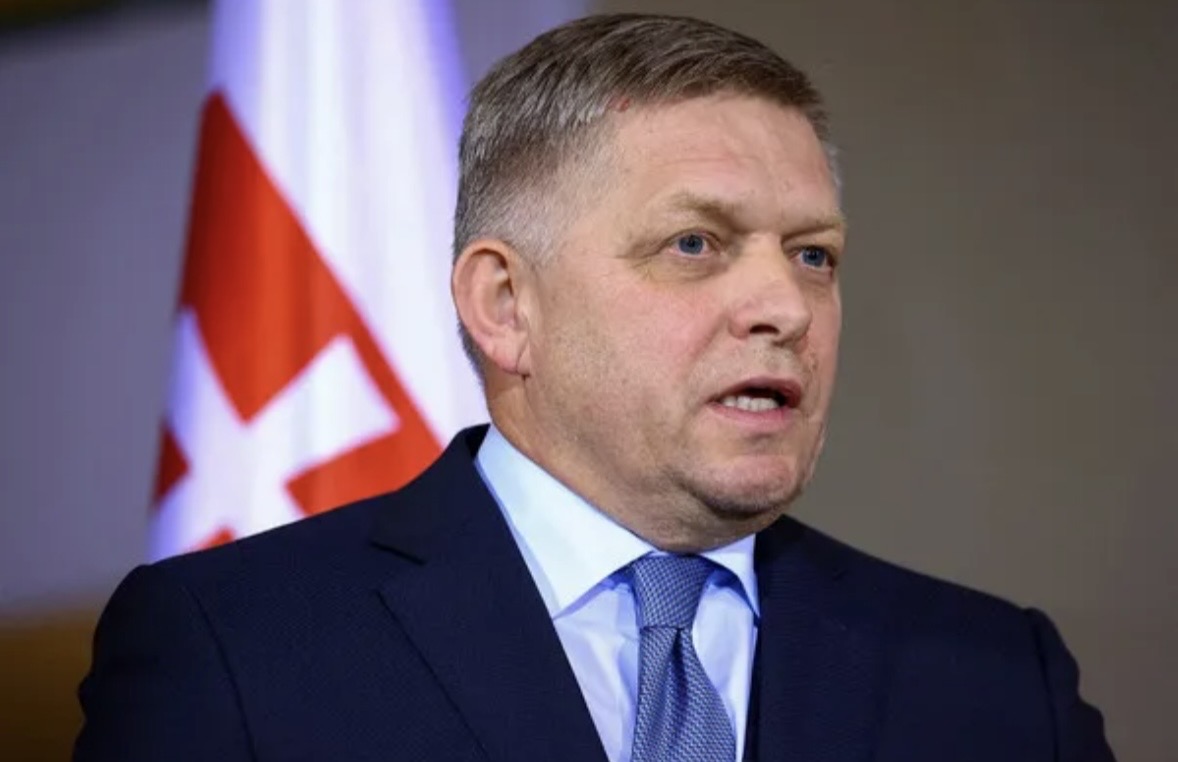
Slovak Prime Minister Robert Fico marked International Workers' Day by participating in a night shift at a bakery in the western part of the country. This symbolic gesture of solidarity was intended to showcase the government's respect for the working class and to highlight the challenges faced by laborers in essential sectors. By stepping away from his administrative duties, the Prime Minister aimed to directly connect with the daily realities of the national workforce.
During his shift at the facility in Bánovce nad Bebravou, Fico took on the role of a delivery truck driver's assistant. He actively participated in the distribution of bakery products, ensuring that fresh supplies reached local shops and retail outlets in the early hours of the morning. This hands-on experience allowed the Head of Government to observe the logistical and physical demands of the food production industry firsthand.
The Prime Minister emphasized that his participation in the night shift was deeply personal, as he comes from a working-class background. He stated that performing manual labor on May 1st is the most sincere way to pay tribute to the millions of citizens whose hard work sustains the nation. According to Fico, experiencing the rigors of a night shift helps policymakers better appreciate the dedication required by those who work outside standard business hours.
The event resonated as a significant public demonstration of the Prime Minister's commitment to labor values. By engaging in the actual production and distribution process, Fico reinforced the importance of the worker's role in the national economy, transforming a traditional holiday into a practical display of leadership and social empathy.
Also read


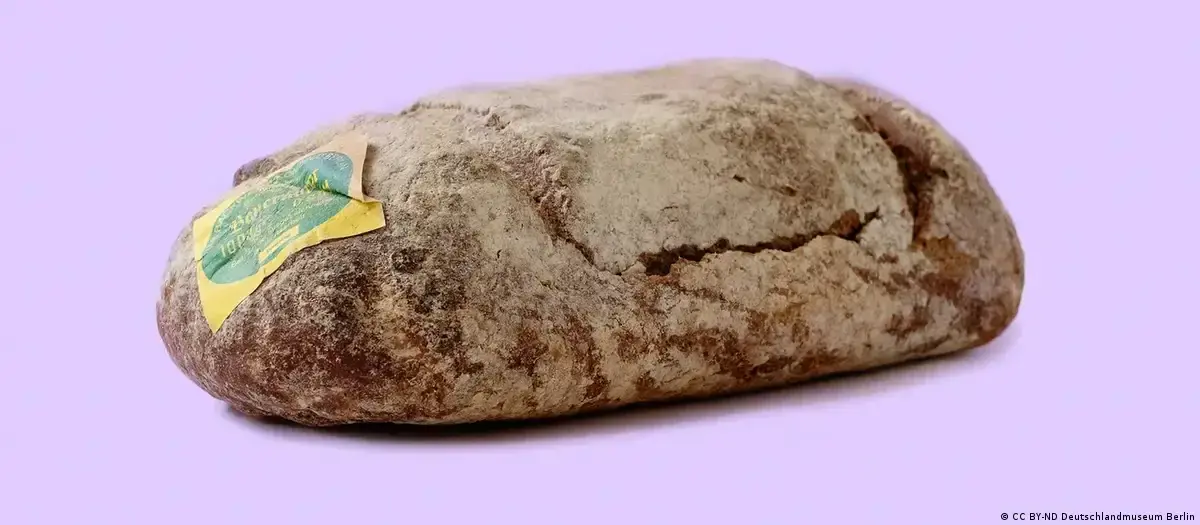
A rye-wheat loaf preserved in a freezer for 36 years has been put on public display as part of the permanent exhibition at the Deutschlandmuseum in Berlin. Dubbed "The Last Loaf of the GDR," it was originally purchased on June 26, 1990, by student Michael Hagedorn, who bought an extra loaf fearing potential food shortages amidst the economic unification of East and West Germany.
The museum's director, Robert Rückel, described the unusual artifact as a unique poignant symbol of everyday human decisions during times of monumental geopolitical change. To maintain its preserved state, the museum installed a custom refrigeration unit where the historical loaf remains permanently frozen for visitors to view.
Blitz