
Playlist
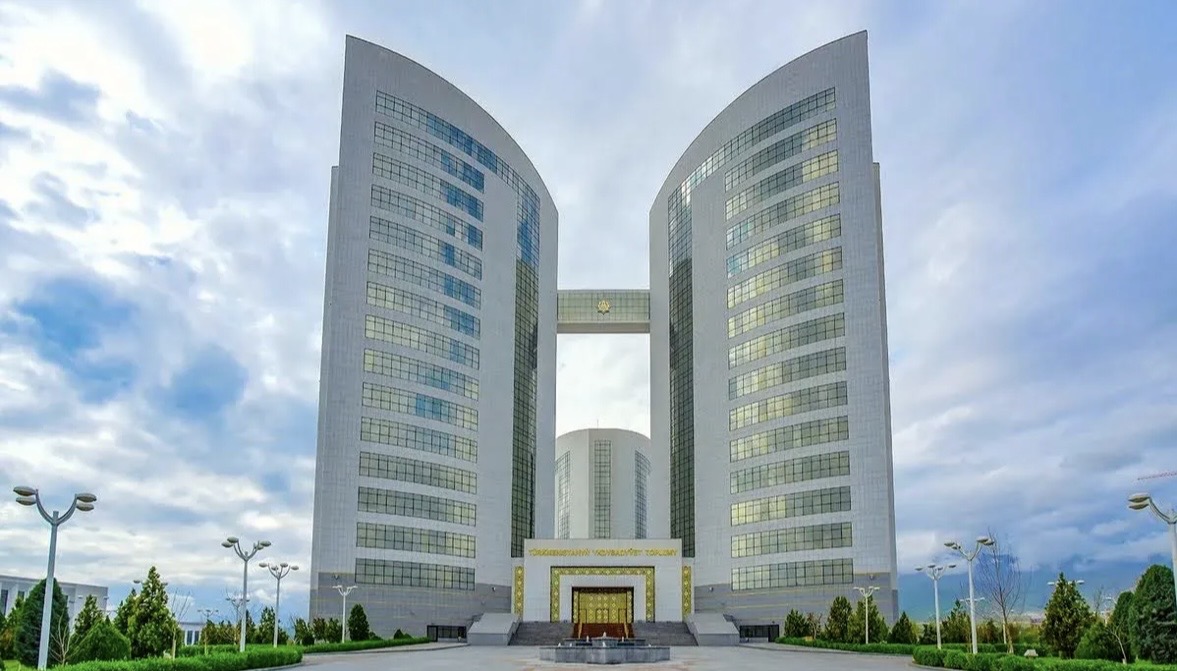
Turkmenistan's economic resilience: GDP rises by 6.3 percent amid industrial diversification
06 Jun. 04:14Turkmenistan’s macroeconomic indicators for the first five months of the current fiscal year demonstrate resilient and continuous growth across the national economy. According to the structural briefing delivered by Deputy Prime Minister H. Geldimyradov during a routine online Cabinet session, the country’s Gross Domestic Product (GDP) growth rate reached a stable 6.3%. The data reflects the successful execution of economic diversification paradigms.
The sectoral breakdown outlines robust performance across key commercial and industrial branches of the state infrastructure. Industrial output accelerated by 2.6%, the construction domain expanded by 6.4%, and the agricultural segment maintained a steady growth of 1.3%. Furthermore, exponential upward trends were recorded within the consumer services sector at 10.4%, the transport and logistics network at 10.2%, and retail and wholesale trade assets at 7.9%.
In comparison with the corresponding timeframe from the previous calendar year, overall industrial and commercial production volumes increased by 10.4%. This systemic expansion validates the structural efficiency of state programs aimed at scaling up import-substituting production and strengthening manufacturing capabilities. The positive index provides long-term fiscal stability, ensuring the continuous development of rural and urban municipal areas.
Reviewing the economic brief, President Serdar Berdimuhamedov highlighted the absolute necessity of maintaining systematic structural upgrades within the fiscal, credit, and banking institutions. The Head of State reiterated that raising the social well-being of the population and stabilizing domestic market capacities remain central tenets of national policy. The Vice-Premier was instructed to implement targeted operational measures to lock in these optimum growth margins through the final quarter of the year.
Also read

Major International Exhibition and Congress on Healthcare, Education, and Sports Opens in Turkmenistan
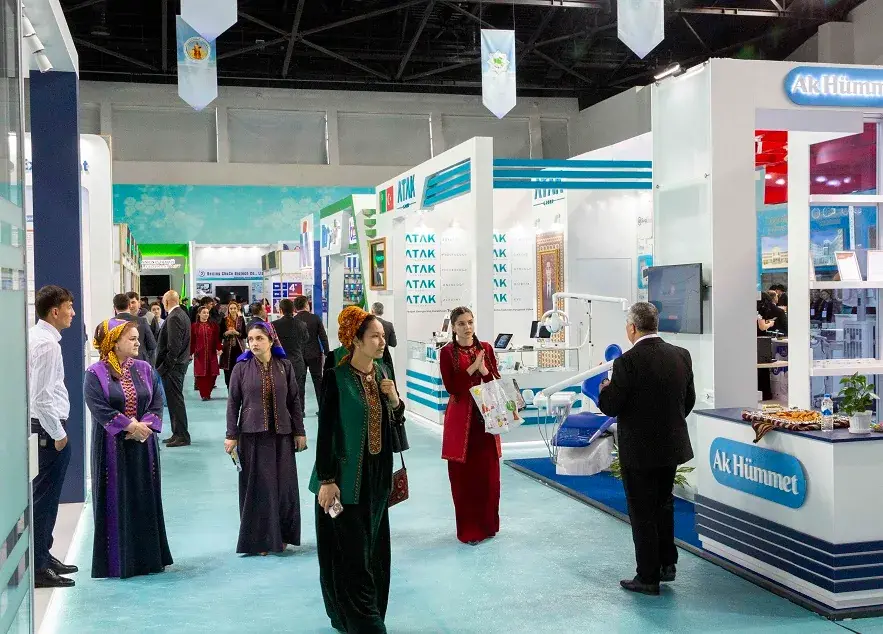
10 Oct. 07:33A multi-sector international exhibition and scientific conference celebrating National Healthcare and Pharmaceutical Industry Workers' Day officially opened at the Chamber of Commerce and Industry Expo Center in Ashgabat. In his official greeting to attendees, President of Turkmenistan Serdar Berdimuhamedov highlighted the ongoing integration of advanced technologies and international collaboration. The President noted that key landmarks during this 35th anniversary year of independence include the opening of new International Centers for Oncology, Pediatrics, and Dentistry, alongside modern expansions at the "Archman" health resort.
Running through October 12, the three-day event serves as a global platform uniting state ministries, international manufacturers, medical specialists, and researchers. The agenda encompasses interactive exhibition stands, technical sessions, specialized workshops, and strategic B2B and B2G business negotiations.
Blitz