
Playlist
Turkmenistan Proposes UN-Backed "Energy Code" to Stabilize Global Markets
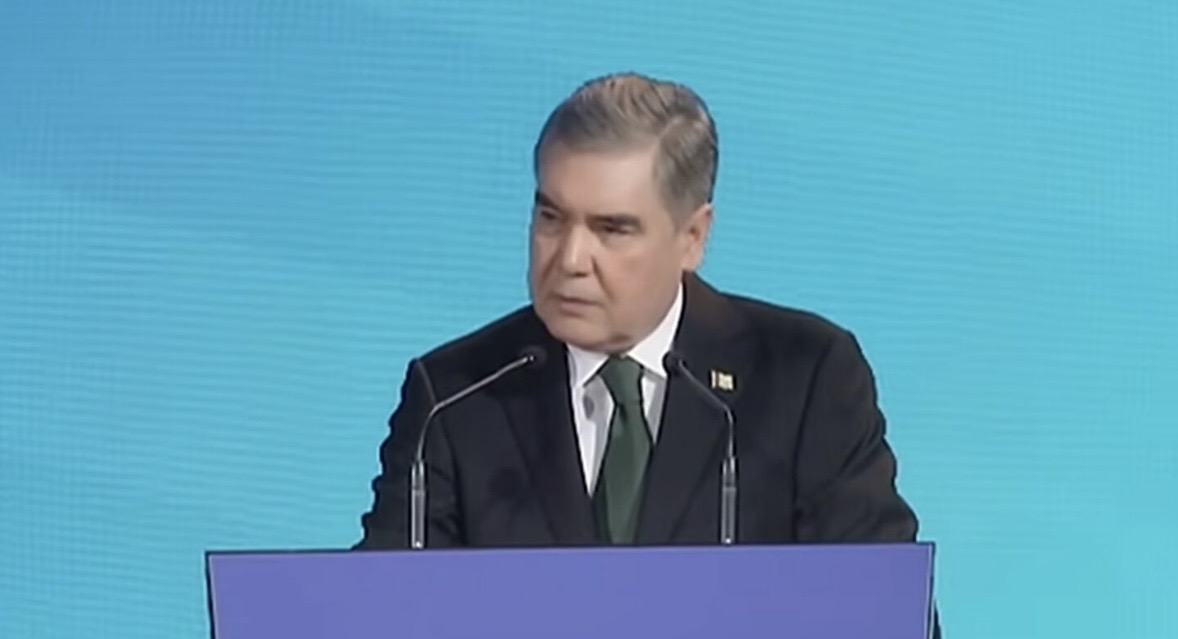
12 Apr. 17:03During the International Vienna Energy and Climate Forum, the Chairman of the Halk Maslakhaty of Turkmenistan, Gurbanguly Berdimuhamedov, outlined a transformative vision for global energy cooperation. The central pillar of this proposal is the creation of a UN-sponsored "Energy Code" designed to depoliticize global energy relations. This international legal framework aims to establish stable, predictable norms for the energy sector, ensuring that global markets remain driven by economic necessity rather than political agendas.
Turkmenistan’s strategic approach emphasizes that energy security is an inseparable component of universal security. To formalize this commitment, the nation plans to introduce a draft Resolution to the UN General Assembly focused on the critical role of reliable energy connectivity in achieving sustainable development. The proposed code is intended to regulate the entire energy lifecycle—including production, transit, and consumption—providing a multi-faceted legal shield for international partnerships.
A key element of the leadership's address was the assertion that equal access to energy is a fundamental and legal right of every nation. Berdimuhamedov stated that regardless of geopolitical standing or economic capacity, all countries should enjoy free and equitable access to energy resources. By promoting this inclusive principle, Turkmenistan aims to dismantle systemic barriers to growth and foster a more balanced and cooperative international economic landscape.
Looking toward the future of sustainable technology, Turkmenistan also suggested the establishment of a comprehensive ten-year Global Program for the transition to hydrogen energy. This initiative aligns with global efforts to mitigate climate change and encourages international collaboration in developing clean energy sources. Turkmenistan reaffirmed its readiness to engage in high-level diplomatic dialogues to implement these strategic initiatives, positioning itself as a proactive leader in global energy and environmental diplomacy.
Also read

Solar Mini-Grids to Power Remote Communities Across Turkmenistan Under New Four-Million-Dollar UNDP Initiative
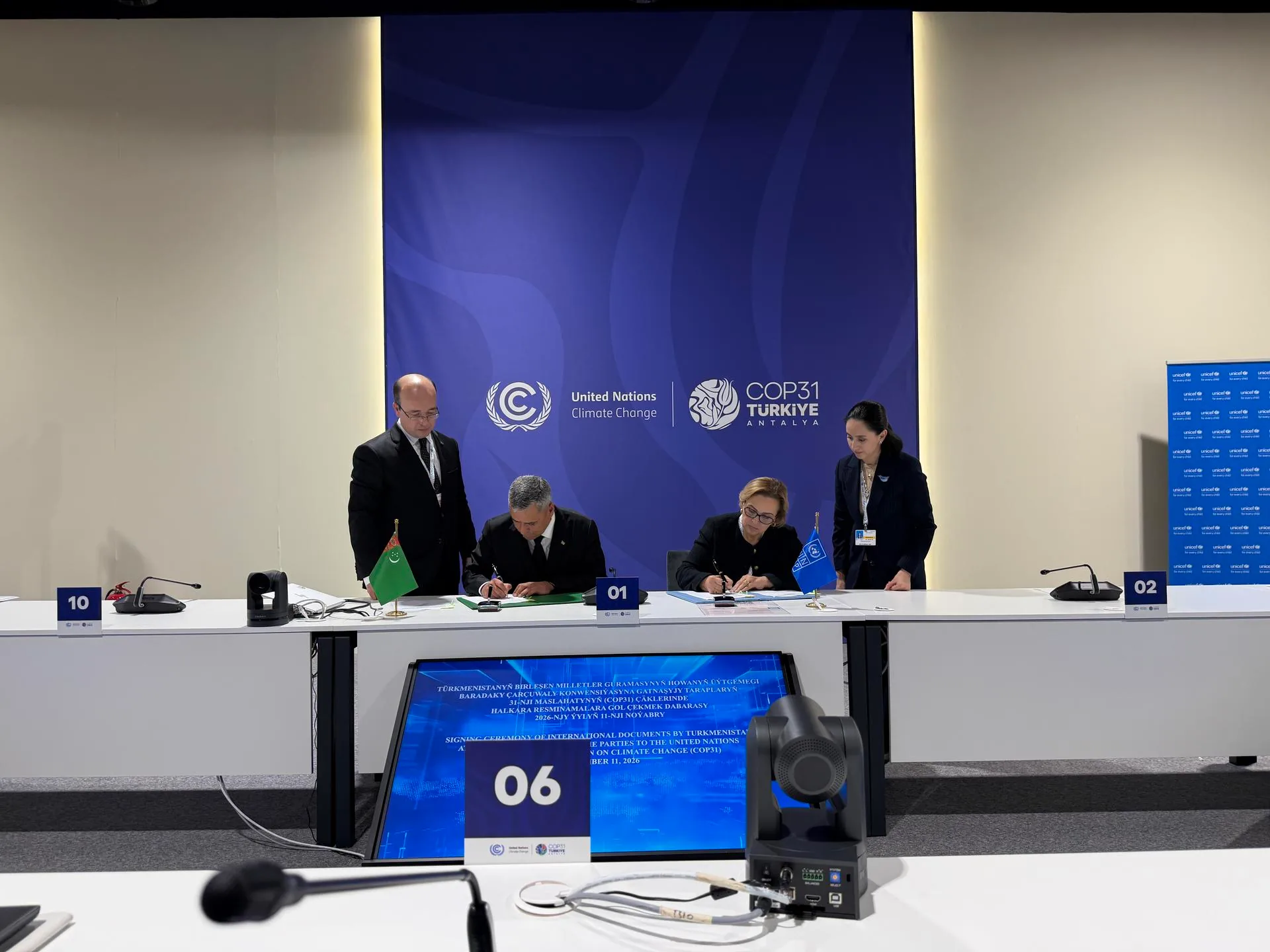
13 Nov. 14:30Following the landmark climate agreements signed on the sidelines of the COP31 conference in Antalya, the United Nations Development Programme (UNDP) has unveiled comprehensive details regarding its upcoming clean energy partnership with the Government of Turkmenistan. Backed by a Global Environment Facility (GEF) grant exceeding 4.17 million US dollars, the five-year project titled "Supporting Energy Transition for Remote Settlements of Turkmenistan" will be executed by the United Nations Office for Project Services (UNOPS) in close coordination with Turkmenistan's Ministry of Environmental Protection and Ministry of Energy.
A central pillar of the initiative involves installing and commissioning up to ten pilot solar mini-power plants with a combined capacity of up to 2 MW in isolated communities that currently rely heavily on diesel generators for electricity. These demonstration facilities will showcase the viability of solar power across Turkmenistan's remote regions and establish a blueprint for broader clean energy adoption. Building upon the operational experience gained from these initial sites, experts will conduct feasibility assessments and prepare tailored technical solutions for potentially deploying solar energy systems in an additional 120 remote settlements.
Beyond physical infrastructure, the project focuses on strengthening the regulatory and institutional framework for renewable energy, training local specialists, and expanding domestic technical expertise. UNDP Resident Representative in Turkmenistan Narine Sahakyan noted that expanding access to reliable, clean electricity significantly enhances community resilience and human well-being—particularly for women and vulnerable groups—by translating national ambitions into tangible investments. The program directly supports Turkmenistan's National Strategy for the Development of Renewable Energy through 2030, advancing the country's commitments under the Paris Agreement and the United Nations Sustainable Development Goals.
Blitz