
Playlist
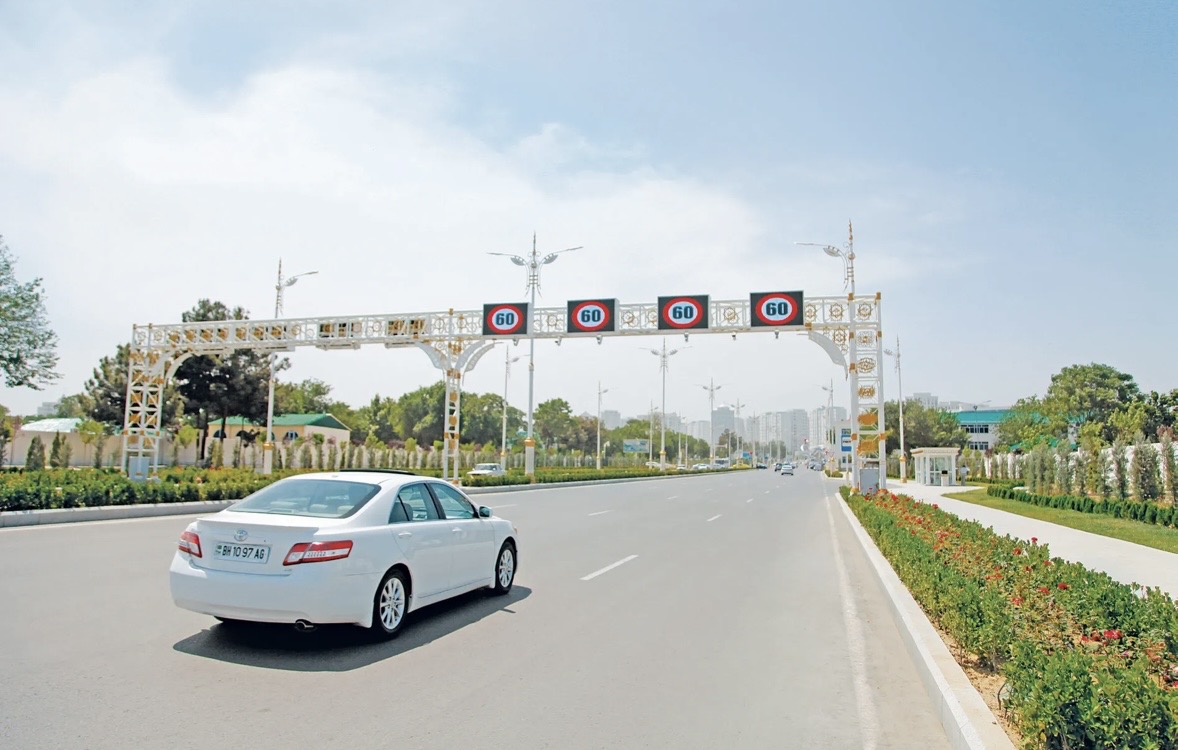
Significant amendments to Turkmenistan's legal system are set to take effect on May 1, 2026, targeting the prevention of driving under the influence of alcohol. These changes to Article 222 of the Code of Administrative Offenses, signed into law in April 2026, focus on increasing financial liabilities for both drivers and those responsible for vehicle oversight. The primary goal of these measures is to strengthen public safety and reduce alcohol-related incidents on the nation's roads.
Under the new regulations, individuals who knowingly permit an intoxicated person to operate their vehicle will face a fine of 10 basic units, up from the previous six. Furthermore, the penalties for unlicensed individuals caught driving while intoxicated have seen a sharp increase. The minimum fine for this category of offenders has been raised to 12 basic units, while repeat offenders within a single year will face a starting fine of 17 basic units.
The responsibility of officials in charge of vehicle deployment has also been tightened under the new law. Previously, fines for allowing an intoxicated driver to operate a commercial or official vehicle varied within a range, but the new code establishes a fixed fine of 5 basic units for such negligence. This adjustment is intended to ensure that supervisors at transport enterprises exercise greater diligence in their daily operations.
While financial penalties have increased, the duration of driver's license suspensions and administrative detentions remains unchanged. First-time offenders continue to face a license suspension of up to one year, while repeat violations lead to up to 15 days of administrative arrest and a two-year driving ban. These collective legal updates reflect a comprehensive strategy by the government to prioritize road safety and eliminate dangerous driving behaviors.

A rye-wheat loaf preserved in a freezer for 36 years has been put on public display as part of the permanent exhibition at the Deutschlandmuseum in Berlin. Dubbed "The Last Loaf of the GDR," it was originally purchased on June 26, 1990, by student Michael Hagedorn, who bought an extra loaf fearing potential food shortages amidst the economic unification of East and West Germany.
The museum's director, Robert Rückel, described the unusual artifact as a unique poignant symbol of everyday human decisions during times of monumental geopolitical change. To maintain its preserved state, the museum installed a custom refrigeration unit where the historical loaf remains permanently frozen for visitors to view.
Blitz