
Playlist
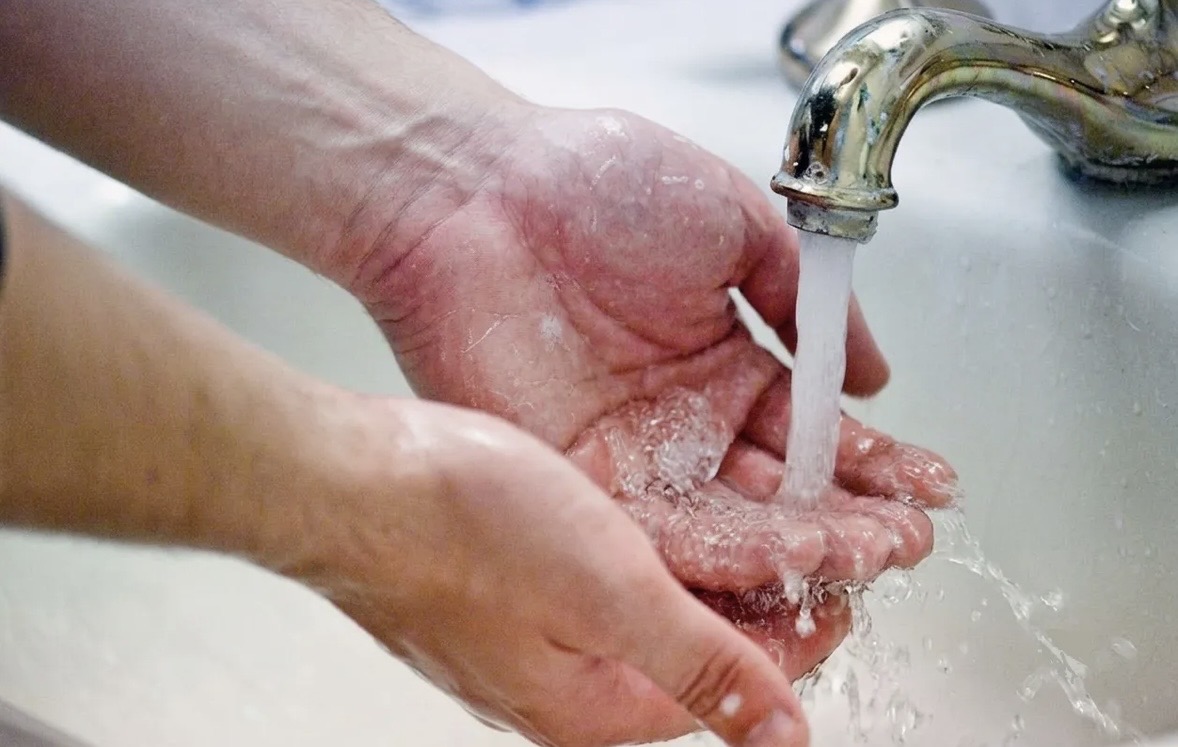
Turkmenistan Enacts Updated Water Supply Building Regulations for Urban and Rural Areas
10 Aug. 13:53Turkmenistan's Ministry of Construction and Architecture has formally approved new building codes titled "Water Supply. External Networks and Facilities" (TGK 2.04.02-2026) via a decree issued on June 26, 2026. The technical standard, which replaces previous infrastructure design protocols, was officially registered by the Ministry of Justice of Turkmenistan on July 29, 2026.
Under the updated regulatory framework, daily per capita potable water consumption standards are categorized according to residential infrastructure levels:
Dwellings without baths: 160–200 liters per person daily.
Homes with baths and localized water heaters: 210–260 liters per person daily.
Residences with centralized hot water systems: 300–450 liters per person daily.
Public standpipe usage: 30–50 liters per person daily (subject to reduction during water supply constraints).
For master planning and regional zoning, aggregate daily consumption benchmarks have been established. Urban targets are set at 550 liters per resident daily for initial development phases and 600 liters for long-term planning periods. Rural allocations are fixed at 125 and 150 liters daily per capita, reflecting differences in utility infrastructure density.
Additionally, the code standardizes fire-suppression water flow rates, sanitary protection zones around water sources, purification protocols, and engineering guidelines for constructing water transport facilities in seismic zones or unstable soil conditions.



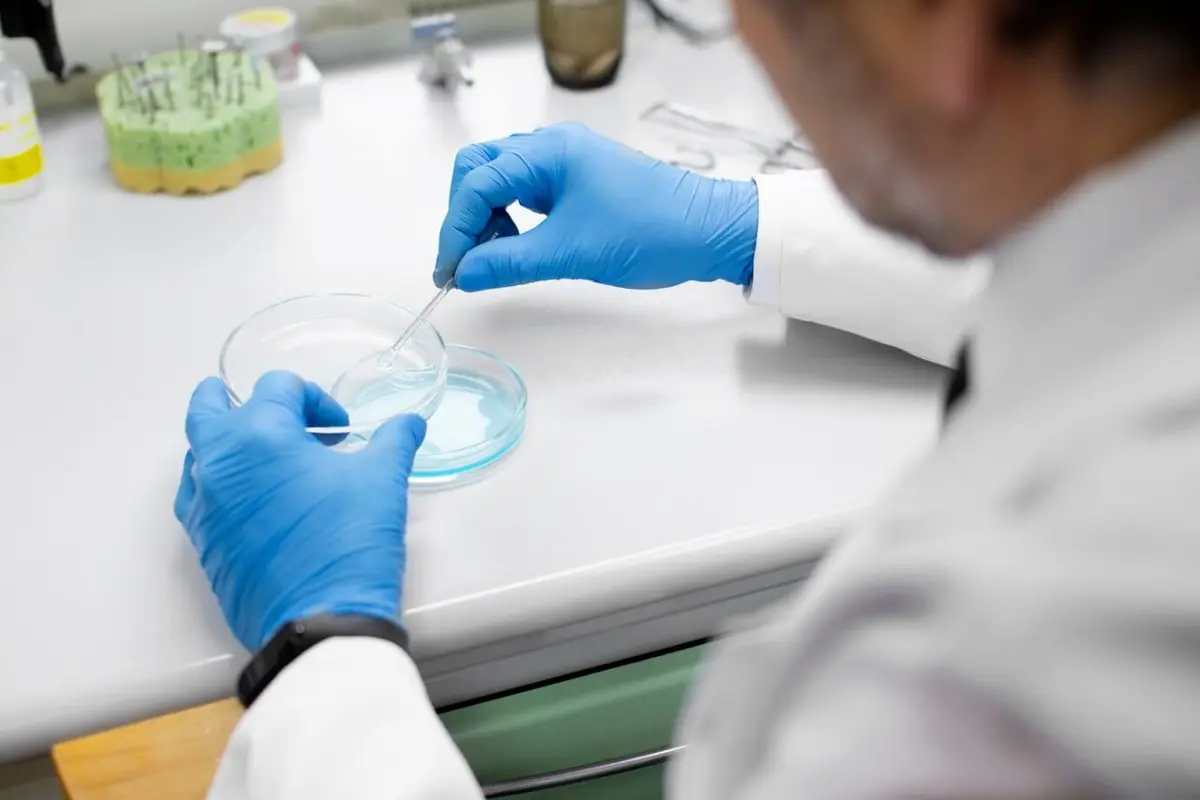
Specialists at the International Science and Technology Park of the Academy of Sciences of Turkmenistan, led by Durdymyrat Gadamov and Altyn Rahmanova, have developed a new-generation bio-agent designed to neutralize soil methane emissions. The solution utilizes local bacteria adapted to the regional climate, which harness methane monooxygenase to convert methane into carbon dioxide and water.
Methane is a major contributor to global warming, with a heat-trapping capacity in the atmosphere significantly higher than that of carbon dioxide. The newly developed bio-agent features high efficiency in industrially congested areas, cost-effectiveness through the use of local raw materials, and complete safety for human health and the environment.
This scientific breakthrough aligns with Turkmenistan's sustainable development strategy, supporting its commitments under the Global Methane Pledge to enhance environmental oversight in the energy sector.
Blitz