
Playlist
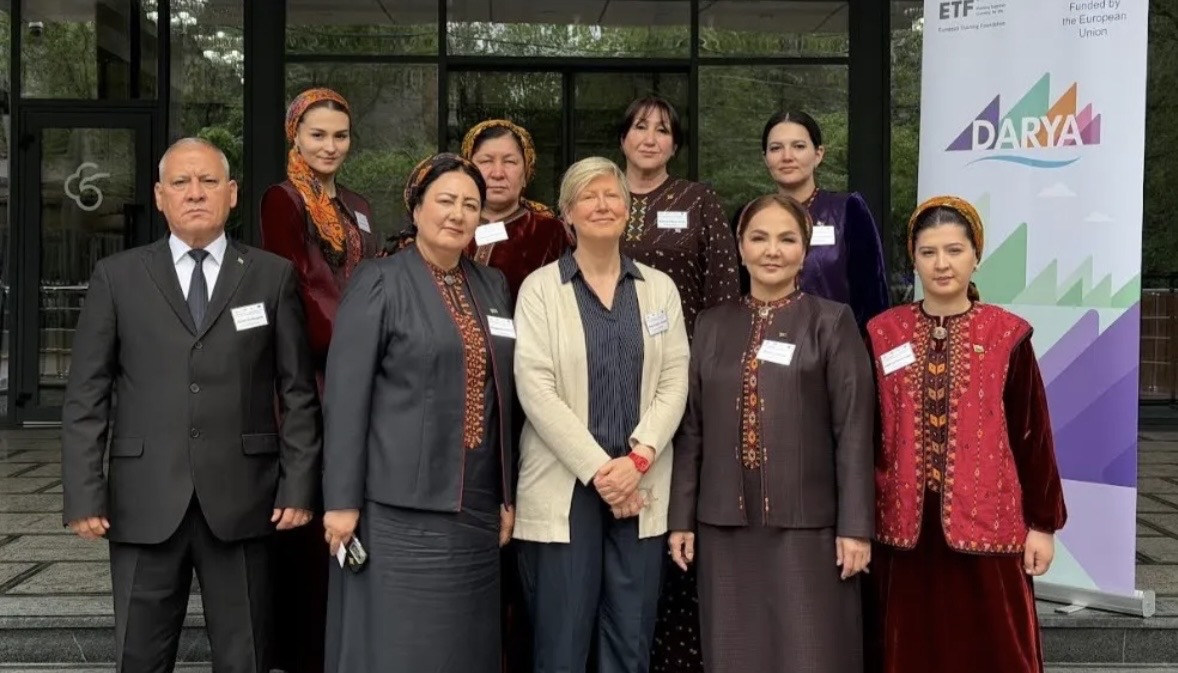
Turkmenistan Education Delegation Participates in Regional Pedagogical Seminar in Almaty
30 Apr. 08:48From April 27 to 29, a delegation of eight representatives from Turkmenistan attended an intensive three-day international training seminar in Almaty, Kazakhstan. Part of the European Union’s "DARYA" initiative, the workshop brought together officials from the Ministry of Education, university administrators, and vocational school instructors. The program was specifically designed to introduce advanced pedagogical strategies and modernize teaching methodologies across the region.
The core of the seminar focused on the "SCAFFOLD" innovative tool, a framework designed to assist educators in planning, implementing, and evaluating professional development programs. Participants engaged in hands-on sessions to master evidence-based approaches to curriculum design. By focusing on instructional scaffolding, the delegates explored ways to provide structured support to teachers, ultimately enhancing the learning outcomes for students in their respective institutions.
By the conclusion of the seminar, the Turkmen delegation had successfully drafted comprehensive pilot programs for teacher training and developed specific metrics to gauge their impact. These practical action plans are intended to bridge the gap between theoretical pedagogical concepts and their real-world application in the classroom. The focus remained on ensuring that the professional growth of educators is both measurable and sustainable.
This international engagement underscores Turkmenistan’s ongoing commitment to aligning its national education system with global standards. By fostering professional exchanges and adopting innovative training tools like SCAFFOLD, the country is positioning its teaching workforce to meet the challenges of 21st-century education. The outcomes of this seminar are expected to significantly influence the future direction of vocational and higher education training frameworks within the country.
Also read
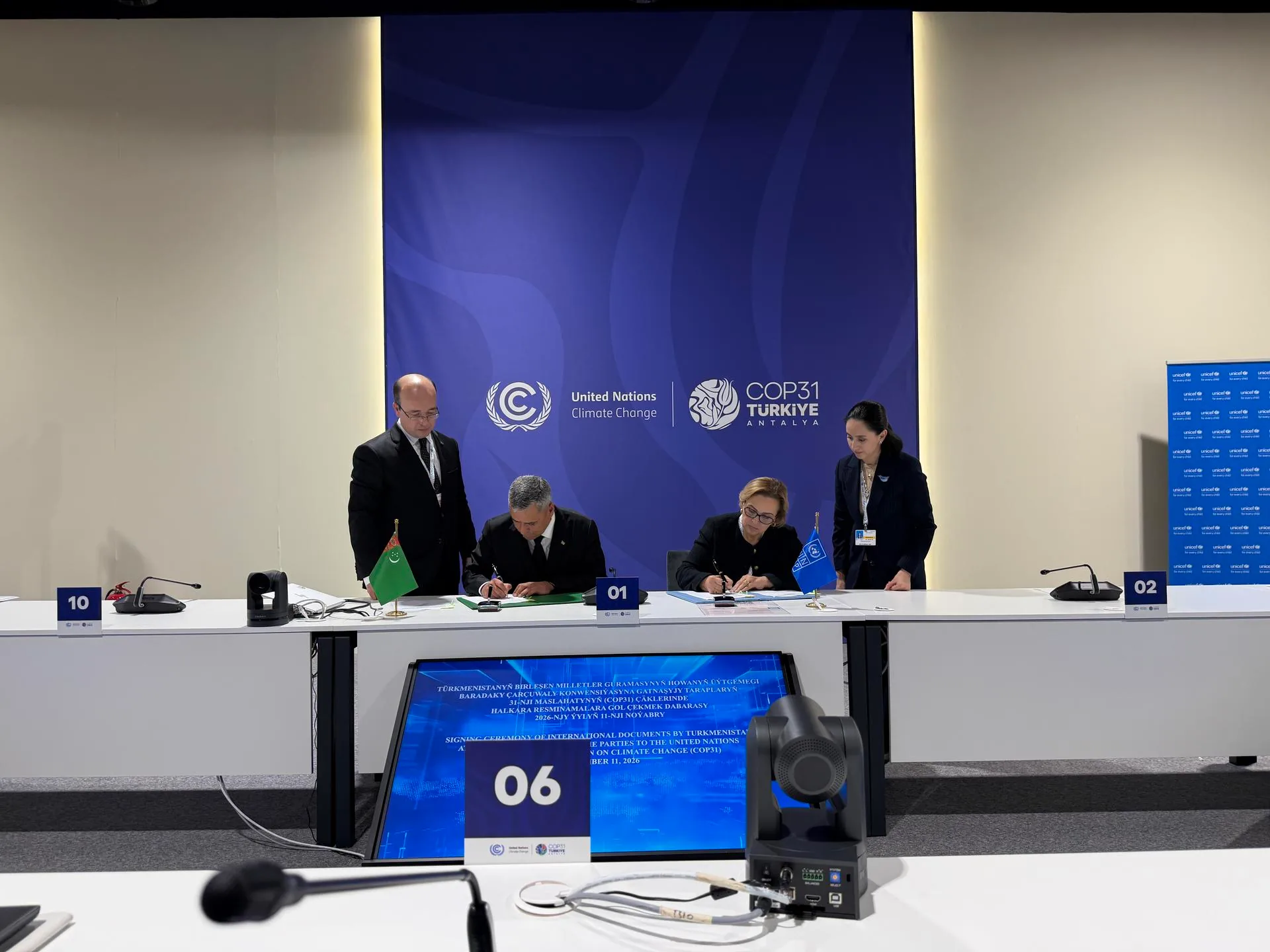
Solar Mini-Grids to Power Remote Communities Across Turkmenistan Under New Four-Million-Dollar UNDP Initiative
13 Nov. 14:30Following the landmark climate agreements signed on the sidelines of the COP31 conference in Antalya, the United Nations Development Programme (UNDP) has unveiled comprehensive details regarding its upcoming clean energy partnership with the Government of Turkmenistan. Backed by a Global Environment Facility (GEF) grant exceeding 4.17 million US dollars, the five-year project titled "Supporting Energy Transition for Remote Settlements of Turkmenistan" will be executed by the United Nations Office for Project Services (UNOPS) in close coordination with Turkmenistan's Ministry of Environmental Protection and Ministry of Energy.
A central pillar of the initiative involves installing and commissioning up to ten pilot solar mini-power plants with a combined capacity of up to 2 MW in isolated communities that currently rely heavily on diesel generators for electricity. These demonstration facilities will showcase the viability of solar power across Turkmenistan's remote regions and establish a blueprint for broader clean energy adoption. Building upon the operational experience gained from these initial sites, experts will conduct feasibility assessments and prepare tailored technical solutions for potentially deploying solar energy systems in an additional 120 remote settlements.
Beyond physical infrastructure, the project focuses on strengthening the regulatory and institutional framework for renewable energy, training local specialists, and expanding domestic technical expertise. UNDP Resident Representative in Turkmenistan Narine Sahakyan noted that expanding access to reliable, clean electricity significantly enhances community resilience and human well-being—particularly for women and vulnerable groups—by translating national ambitions into tangible investments. The program directly supports Turkmenistan's National Strategy for the Development of Renewable Energy through 2030, advancing the country's commitments under the Paris Agreement and the United Nations Sustainable Development Goals.
Blitz