
Playlist
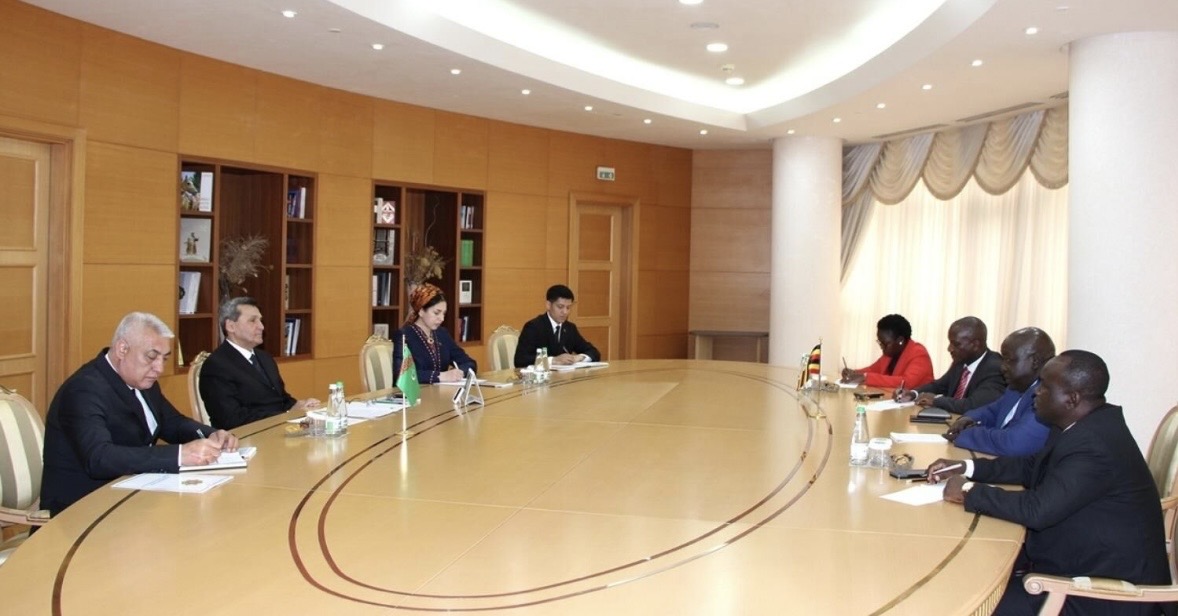
On March 24, 2026, the Minister of Foreign Affairs of Turkmenistan, Rashid Meredov, met with the Minister of State for Foreign Affairs of the Republic of Uganda, Henry Oryem Okello, at the Ministry’s headquarters. The discussions centered on the current state and future prospects of bilateral cooperation across political, diplomatic, trade, economic, and cultural-humanitarian sectors. Both parties reaffirmed their commitment to elevating the relationship through structured dialogue and shared strategic interests.
During the meeting, the officials highlighted the positive momentum in interstate relations, particularly following the visit of Ugandan Prime Minister Robinah Nabbanja to Turkmenistan in August 2025. Her participation in the Third UN Conference on Landlocked Developing Countries held in Avaza served as a milestone in establishing a deeper political connection. This high-level interaction has paved the way for more frequent exchanges and collaborative efforts within the framework of international diplomacy.
A key outcome of the negotiations was the mutual agreement to hold the first round of political consultations between the Foreign Ministries of the two countries in Ashgabat during the second half of 2026. Furthermore, the ministers emphasized the importance of coordinating efforts within the United Nations to promote global peace, security, and sustainable development. Both nations seek to synchronize their international agendas to address common challenges effectively.
Economic cooperation was another focal point, with specific interest shown in the agricultural and oil and gas sectors. The parties discussed the creation of a new platform designed to facilitate business networking and joint investment ventures. Additionally, there are plans to broaden the scope of cooperation in education, science, culture, sports, and tourism. The meeting concluded with a shared vision for a long-term, mutually beneficial partnership that leverages the unique strengths of both Turkmenistan and Uganda.
Also read
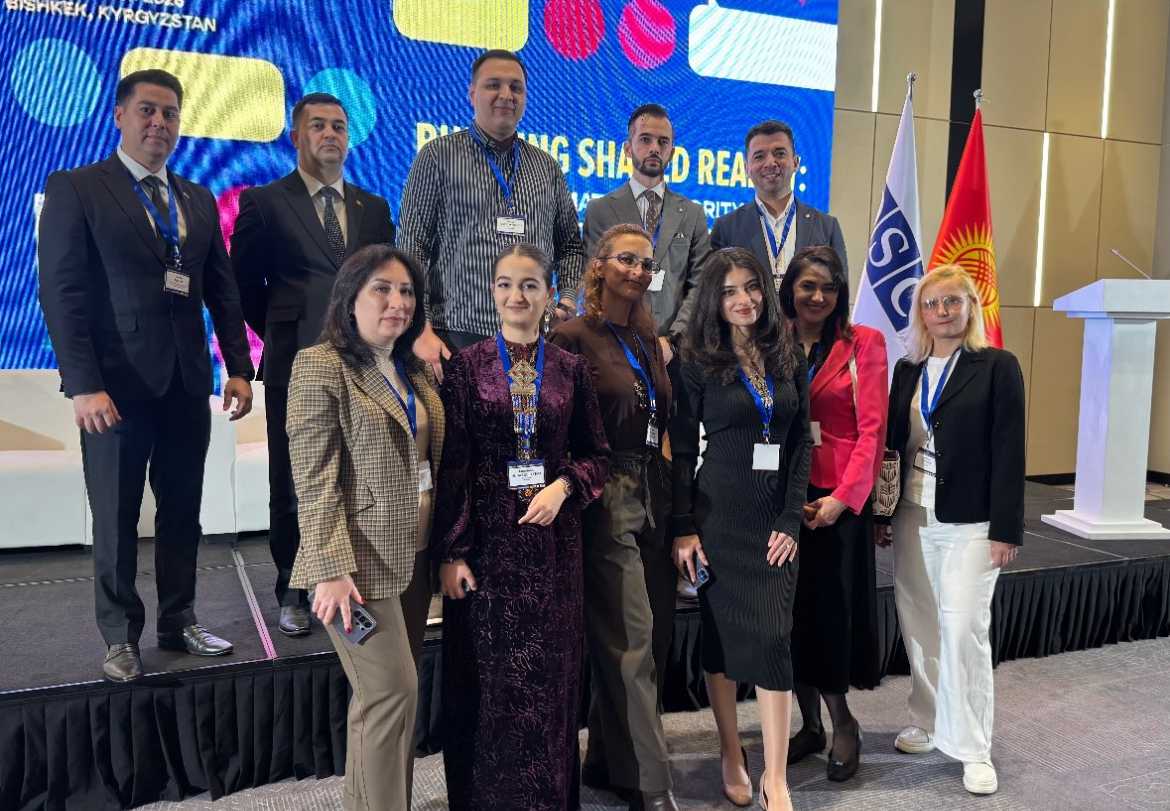
Turkmen Journalists and Experts Participated in the OSCE Central Asia Media Conference in Bishkek
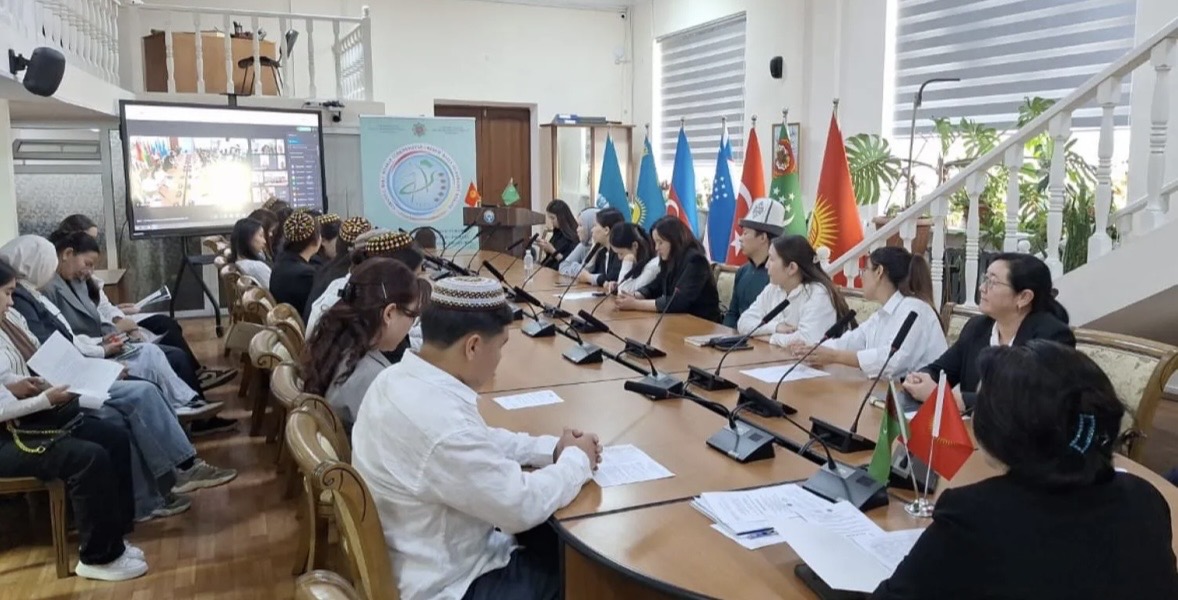
10 Oct. 13:57On October 9–10, 2026, the capital of Kyrgyzstan hosted a major OSCE Central Asia Media Conference, bringing together leading experts, government officials, civil society representatives, and media professionals from across the region. Entitled "Building Shared Reality: Information Integrity, Media Ethics and Trust in the Digital Age," this high-level forum addressed the most pressing contemporary challenges, including the transformation of information ecosystems, the impact of Big Tech, the deployment of artificial intelligence systems, and the digital safety of media workers.
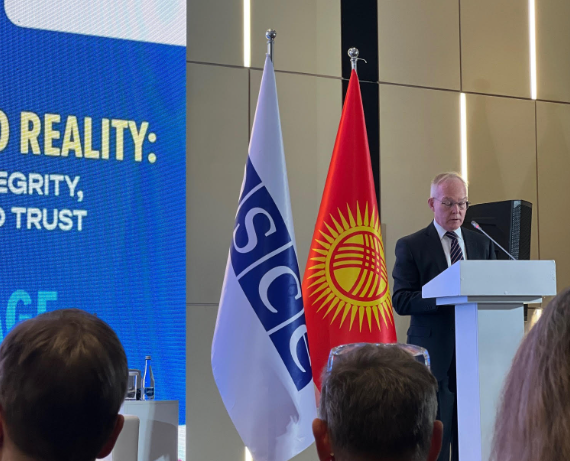
The significance of this conference is profound, serving as an essential platform for building cross-border dialogue, reinforcing professional journalistic standards, and collectively shaping regional solutions amidst rapid digitalization.
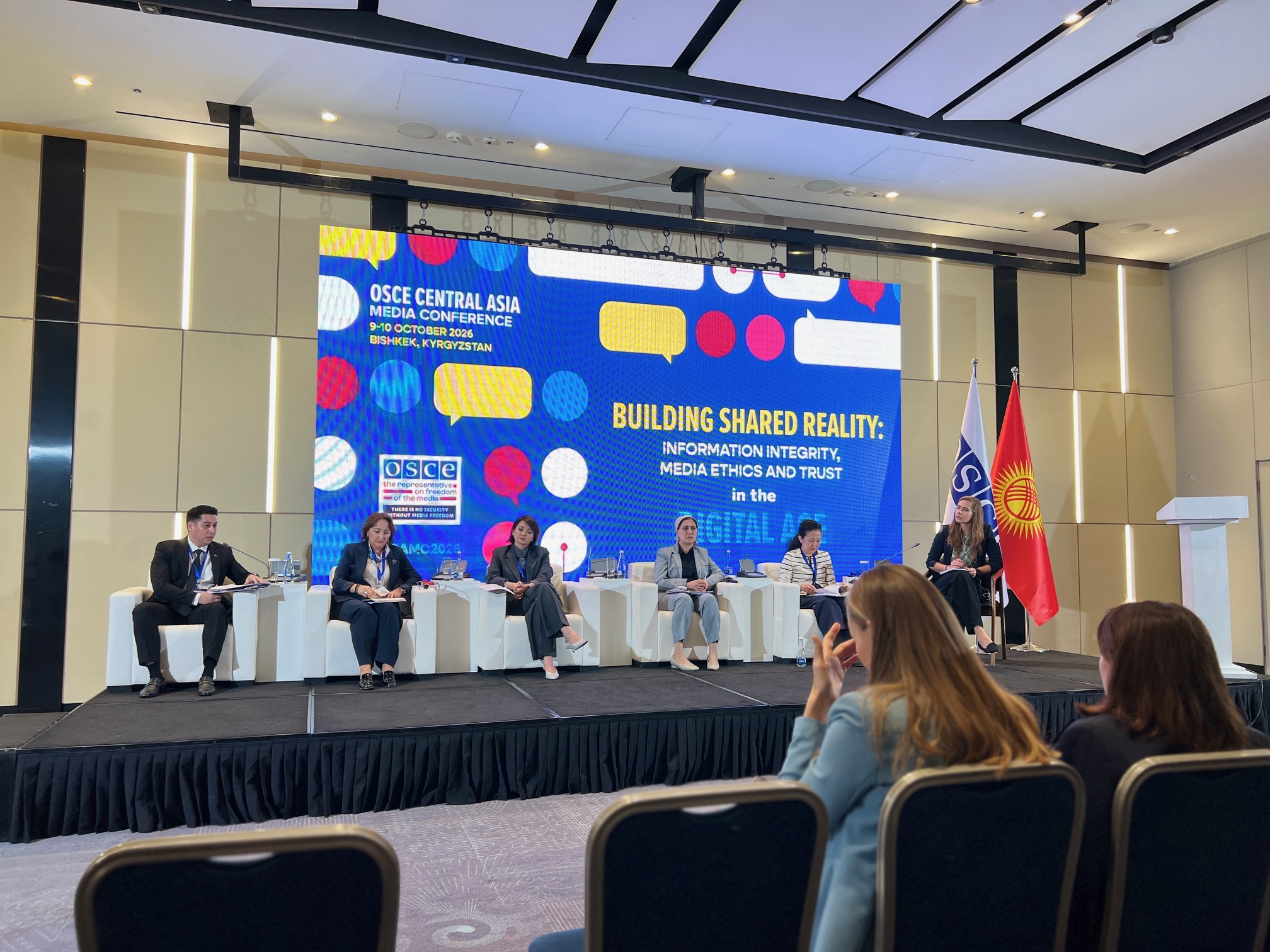
Throughout the rich program of the forum, participants discussed a wide array of topics ranging from independent self-regulation standards and source protection to practical tools for AI integration in newsrooms and gender-sensitive approaches to journalists' safety. Representatives from Turkmenistan took an active part in the conference sessions, highlighting national priorities within the broader regional framework. Specifically, during discussions on implementing OSCE policy guidelines, Turkmen delegation member emphasized the importance of a phased approach to developing the media environment—one grounded in studying international experience, expert dialogue, and adaptation to national and linguistic realities.
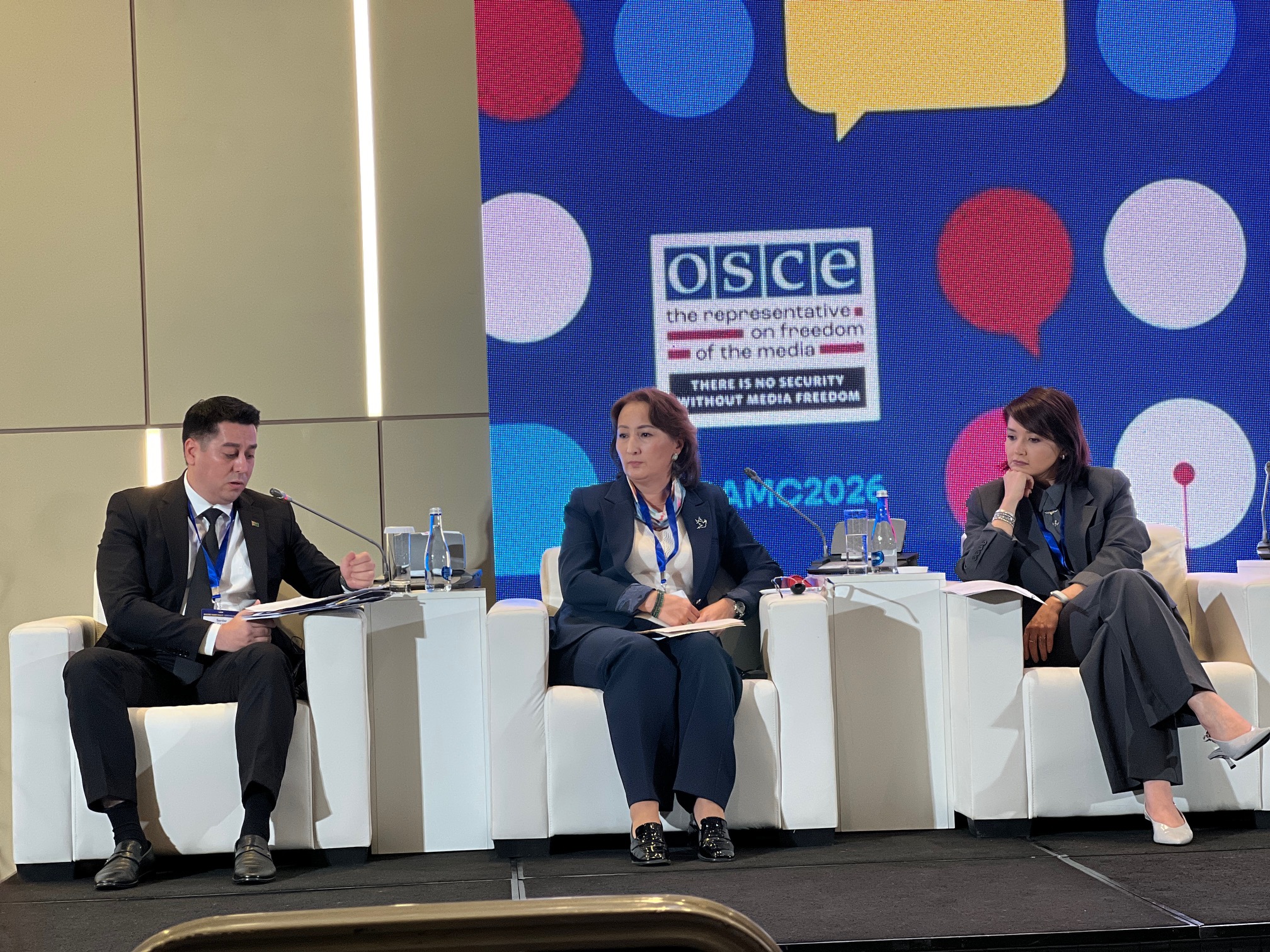
Key topics included digital platform transparency, the development of Turkmen-language AI models, media economic sustainability, and copyright protection in the era of AI. Additionally, Azat Seyitmuhammedov, founder of Arzuw News, shared practical insights into deploying generative artificial intelligence to optimize workflows in smaller local newsrooms.
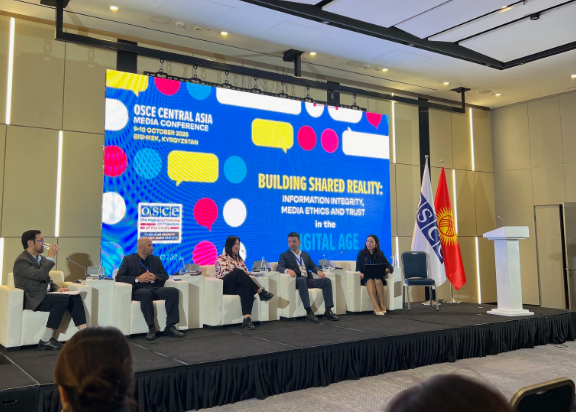
The conference underscored that continuous multilateral dialogue among Central Asian nations and international partners, including the OSCE Centre in Ashgabat, is vital for successfully navigating the technological challenges of the future.
Blitz