
Playlist
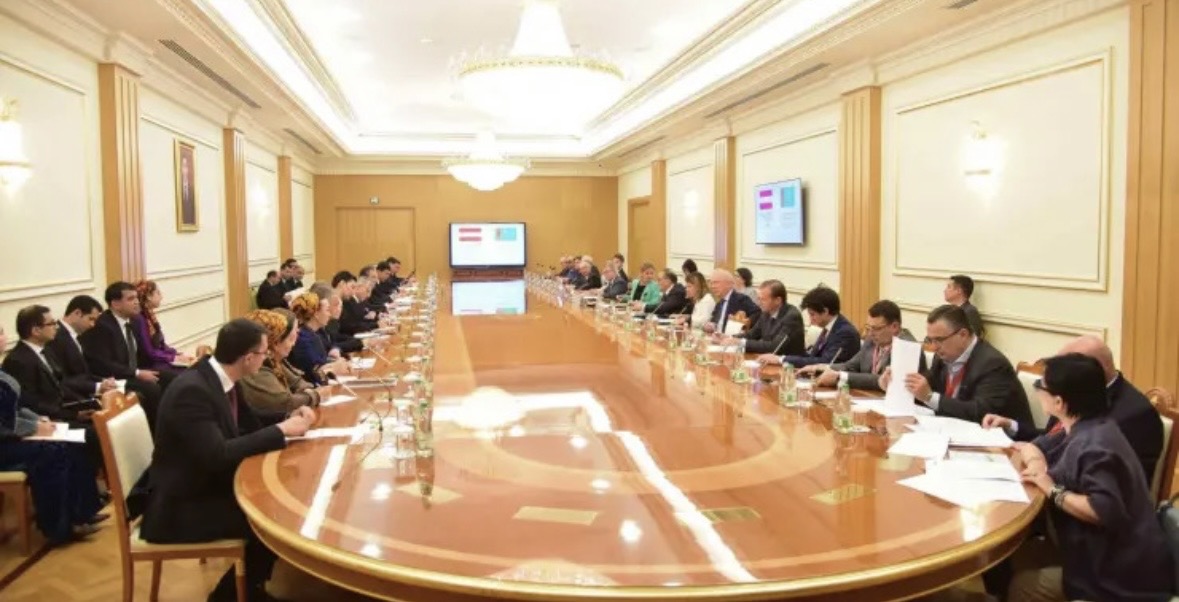
Turkmen-Austrian Joint Commission Concludes 13th Session on Economic and High-Tech Integration
13 Jun. 12:15The 13th session of the Joint Turkmen-Austrian Commission was officially convened at the Chamber of Commerce and Industry of Turkmenistan. The visiting European delegation was led by Elisabeth Weissenböck, Head of the Foreign Economic Relations Department of the Federal Ministry for Economy, Energetics and Tourism of the Republic of Austria, and comprised senior government officials and corporate executives. The summit underscored a mutual commitment to intensifying cross-border trade turnover and expanding investment activities.
The structural agenda focused on auditing previous bilateral economic agreements and codifying fresh avenues of technical cooperation. Delegations reviewed advanced planning in industrial modernization, transport logistics, and eco-friendly infrastructure, with a particular focus on waste management systems. Furthermore, high-level discussions were dedicated to accelerating partnerships in healthcare delivery, scientific research sharing, and medical manufacturing technologies.
Advanced technological sectors, notably the green economy, digitalization frameworks, and artificial intelligence deployments, were designated as core developmental vectors for future joint ventures. Austrian trade representatives expressed strong interest in collaborating on smart-city urban infrastructure, advanced water purification systems, and integrated banking network operations. These initiatives align with Turkmenistan's current economic transition toward automated and sustainable industrial manufacturing.
The humanitarian and cultural dimensions of the bilateral relationship, historically supported by the Turkmen-Austrian Society, were prominently featured during the review. Both parties verified their ongoing commitment to cultural diplomacy, highlighting institutional traditions such as the Ashgabat Viennese Balls and joint performances by the "Galkynysh" Turkmen-Austrian Symphony Orchestra. The bilateral session concluded with the signing of an official Protocol, legally establishing the cross-sectoral economic targets agreed upon by both governments.
Also read

Solar Mini-Grids to Power Remote Communities Across Turkmenistan Under New Four-Million-Dollar UNDP Initiative
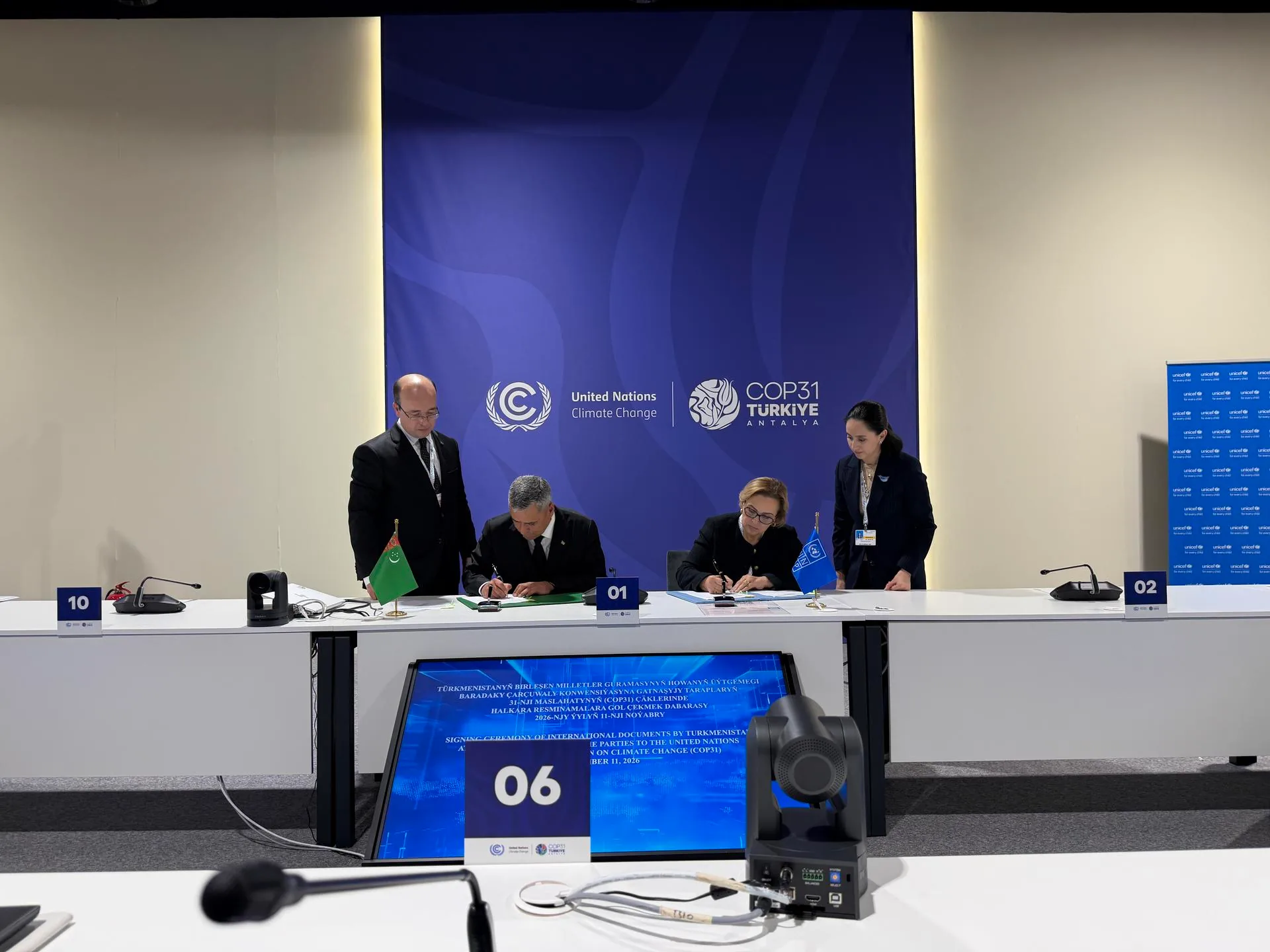
13 Nov. 14:30Following the landmark climate agreements signed on the sidelines of the COP31 conference in Antalya, the United Nations Development Programme (UNDP) has unveiled comprehensive details regarding its upcoming clean energy partnership with the Government of Turkmenistan. Backed by a Global Environment Facility (GEF) grant exceeding 4.17 million US dollars, the five-year project titled "Supporting Energy Transition for Remote Settlements of Turkmenistan" will be executed by the United Nations Office for Project Services (UNOPS) in close coordination with Turkmenistan's Ministry of Environmental Protection and Ministry of Energy.
A central pillar of the initiative involves installing and commissioning up to ten pilot solar mini-power plants with a combined capacity of up to 2 MW in isolated communities that currently rely heavily on diesel generators for electricity. These demonstration facilities will showcase the viability of solar power across Turkmenistan's remote regions and establish a blueprint for broader clean energy adoption. Building upon the operational experience gained from these initial sites, experts will conduct feasibility assessments and prepare tailored technical solutions for potentially deploying solar energy systems in an additional 120 remote settlements.
Beyond physical infrastructure, the project focuses on strengthening the regulatory and institutional framework for renewable energy, training local specialists, and expanding domestic technical expertise. UNDP Resident Representative in Turkmenistan Narine Sahakyan noted that expanding access to reliable, clean electricity significantly enhances community resilience and human well-being—particularly for women and vulnerable groups—by translating national ambitions into tangible investments. The program directly supports Turkmenistan's National Strategy for the Development of Renewable Energy through 2030, advancing the country's commitments under the Paris Agreement and the United Nations Sustainable Development Goals.
Blitz