
Playlist
The Offshore Treasure: World's Wealthiest Individuals Shield $3.5 Trillion from Taxes
13 Apr. 15:01A recent report by Oxfam, featured in "The Insider," reveals that the world's wealthiest elite are currently holding approximately $3.55 trillion in offshore accounts, effectively bypassing national tax systems. This massive sum of untaxed wealth highlights a growing trend in global finance where "tax havens" serve as safe deposits for capital that remains disconnected from the public fiscal responsibilities of the nations where the wealth is generated.
To put this figure into perspective, $3.55 trillion accounts for roughly 3.2% of the global GDP. Remarkably, this amount is twice the combined Gross Domestic Product of the world's 44 least developed nations. The concentration of this offshore wealth is even more staggering: about 80% ($2.8 trillion) is owned by just 0.1% of the planet's wealthiest individuals. Furthermore, nearly half of this total ($1.77 trillion) belongs to an even smaller group—the top 0.01% of the population.
Christian Hallum, Oxfam's tax policy lead, warned that such widespread tax avoidance significantly exacerbates global inequality. He pointed out that these practices deprive national governments of essential funding needed for public infrastructure, specifically public schools and hospitals. By shielding their fortunes offshore, the ultra-wealthy limit the ability of states to provide social services, thereby deepening the socioeconomic divide between the rich and the poor.
In light of these findings, Oxfam and other international observers are urging the global community to take decisive action to eliminate offshore tax loopholes. The organization is calling for the introduction of a global wealth tax and enhanced financial transparency measures. Such reforms are seen as critical steps toward rebalancing the global economy and ensuring that the world's most affluent contribute their fair share toward sustainable development and public welfare.

Turkmenistan’s National Money Supply Grows by 27.6 Percent to Reach 77 Billion Manats
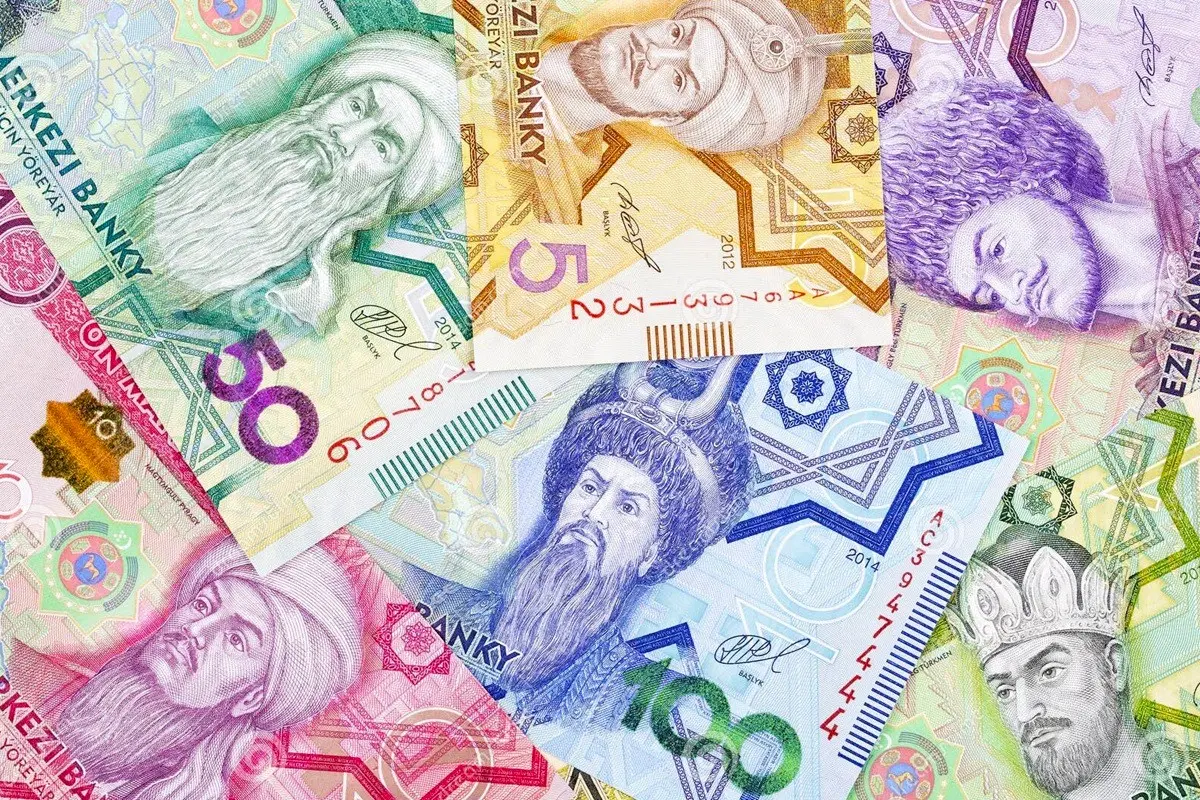
13 Nov. 06:15Turkmenistan’s transition into a new phase of economic development continues to strengthen the role of the national currency across domestic financial and industrial sectors. According to an analytical report published in today’s edition of the newspaper "Türkmenistan," the country’s money supply recorded steady expansion over the past four years. While the total national money supply stood at 60.3 billion manats as of October 1, 2022, it climbed to 77.0 billion manats by October 1, 2026, reflecting a notable 27.6 percent increase.
This substantial growth in domestic currency liquidity provides vital momentum for executing comprehensive national development strategies. The expanded financial capacity supports ongoing economic diversification, the establishment of new industrial facilities, increased manufacturing output, and targeted support for private entrepreneurship. Furthermore, the strengthened monetary base enhances commercial banking activity, accelerates the transition toward a digital economy, and broadens Turkmenistan’s international economic partnerships.
The report emphasizes that the long-term effectiveness of these large-scale initiatives relies fundamentally on the stability and resilience of the nation's financial and banking institutions, which maintain balanced currency circulation while fueling sustainable growth across the real economy.
Blitz