
Playlist
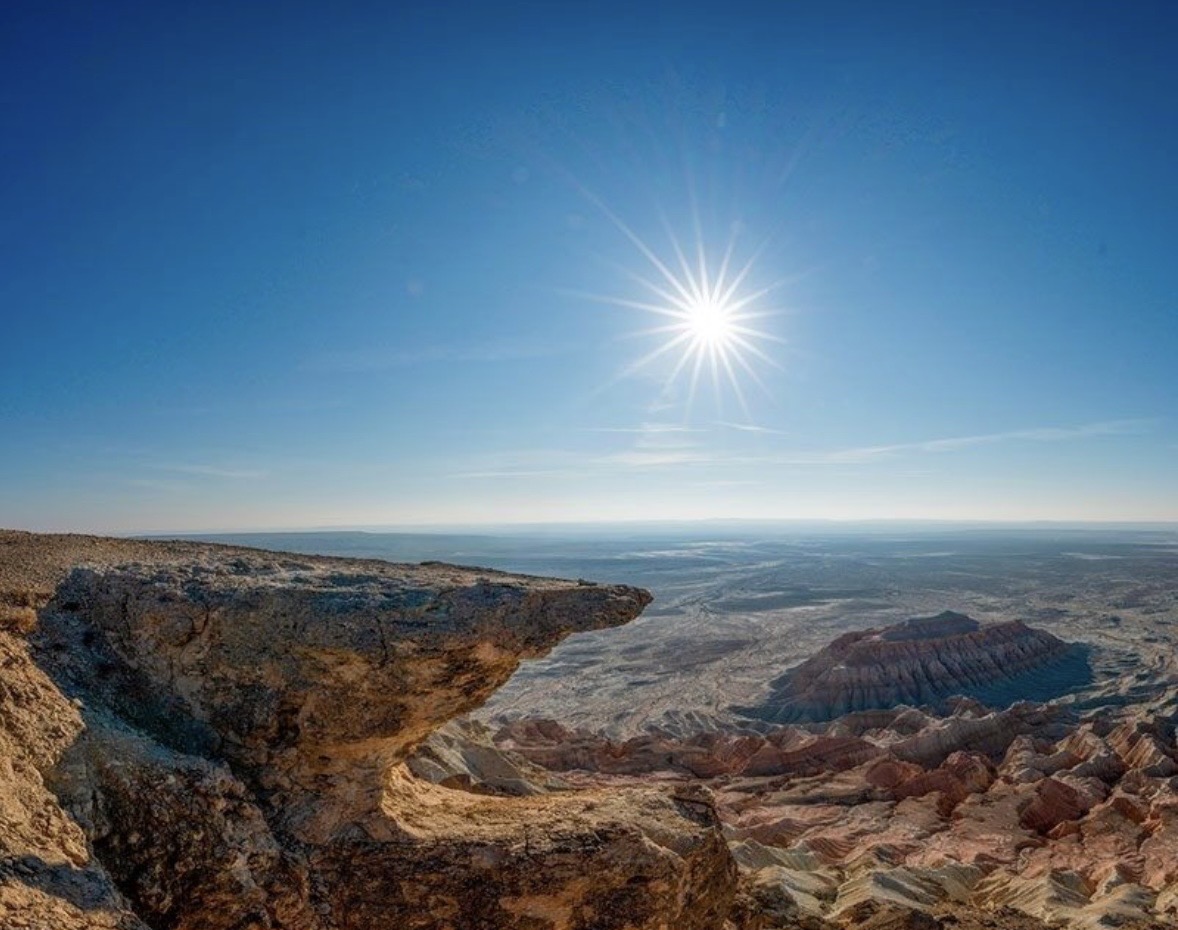
The Moment of Equilibrium: On March 20, the Earth Officially "Entered" Spring
21 Mar. 05:33On March 20, at approximately 7:46 PM Ashgabat time, a significant astronomical event occurred — the spring equinox. At this precise moment, the Sun crossed the celestial equator, resulting in an almost equal distribution of day and night across the entire planet: roughly 12 hours each. This event marks the beginning of astronomical spring in the Northern Hemisphere, a turning point where light gradually begins to triumph over darkness as days grow longer and nature awakens.
The timing of the equinox shifts slightly every year because a calendar year does not perfectly align with the Earth's actual orbit around the Sun. The discrepancy is about 0.24 days per year, which causes the equinox to fall between March 19 and March 21. Leap years, which add an extra day to February, help compensate for this shift and keep our seasonal calendar synchronized with the celestial movements of our planet.
In Central Asia and the Middle East, this astronomical phenomenon coincides with Nowruz, the traditional New Year according to the solar calendar. Preparation for this day is meticulous, involving thorough house cleaning, discarding old belongings, and purchasing new clothes to symbolize a fresh start. The festive table is adorned with symbolic dishes representing abundance and renewal, and the holiday is spent fostering family ties and settling old debts or grievances.
Across the globe, various cultures mark this transition with unique rituals. In India, spring is greeted with the vibrant Holi festival of colors, representing joy and equality, while in Japan, the period is dedicated to honoring ancestors and spending reflective time with family. Even in Europe, where it may not always be an official holiday, the equinox remains a powerful symbol of purification and the start of a new cycle. For centuries, this brief moment of balance has remained a universal symbol of transformation and hope for humanity.
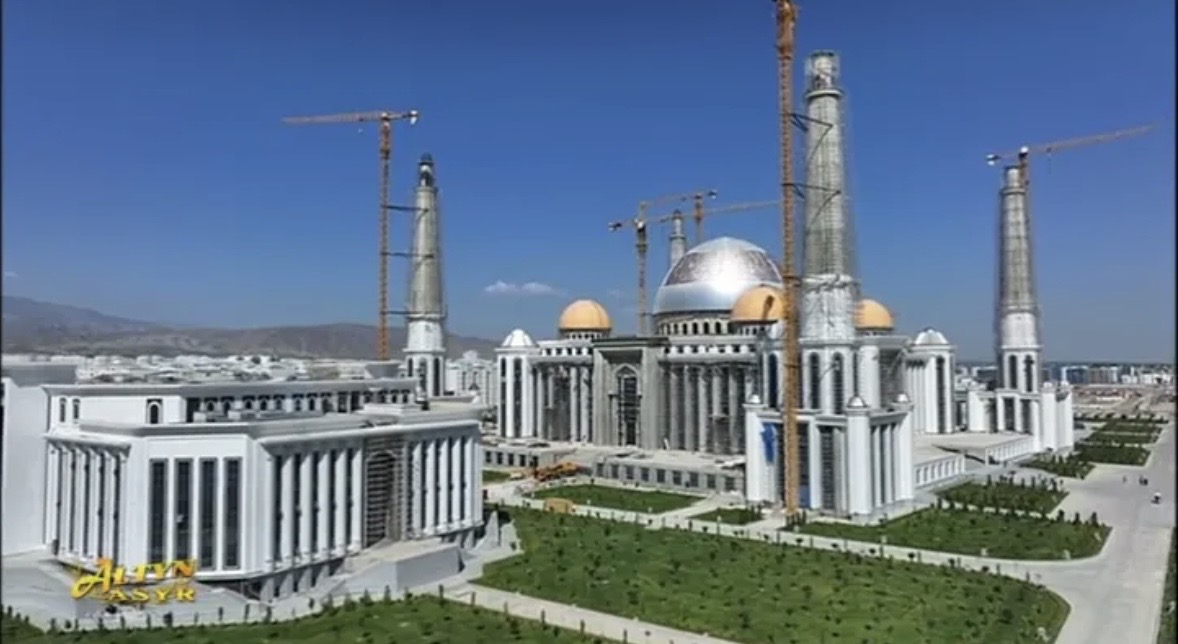
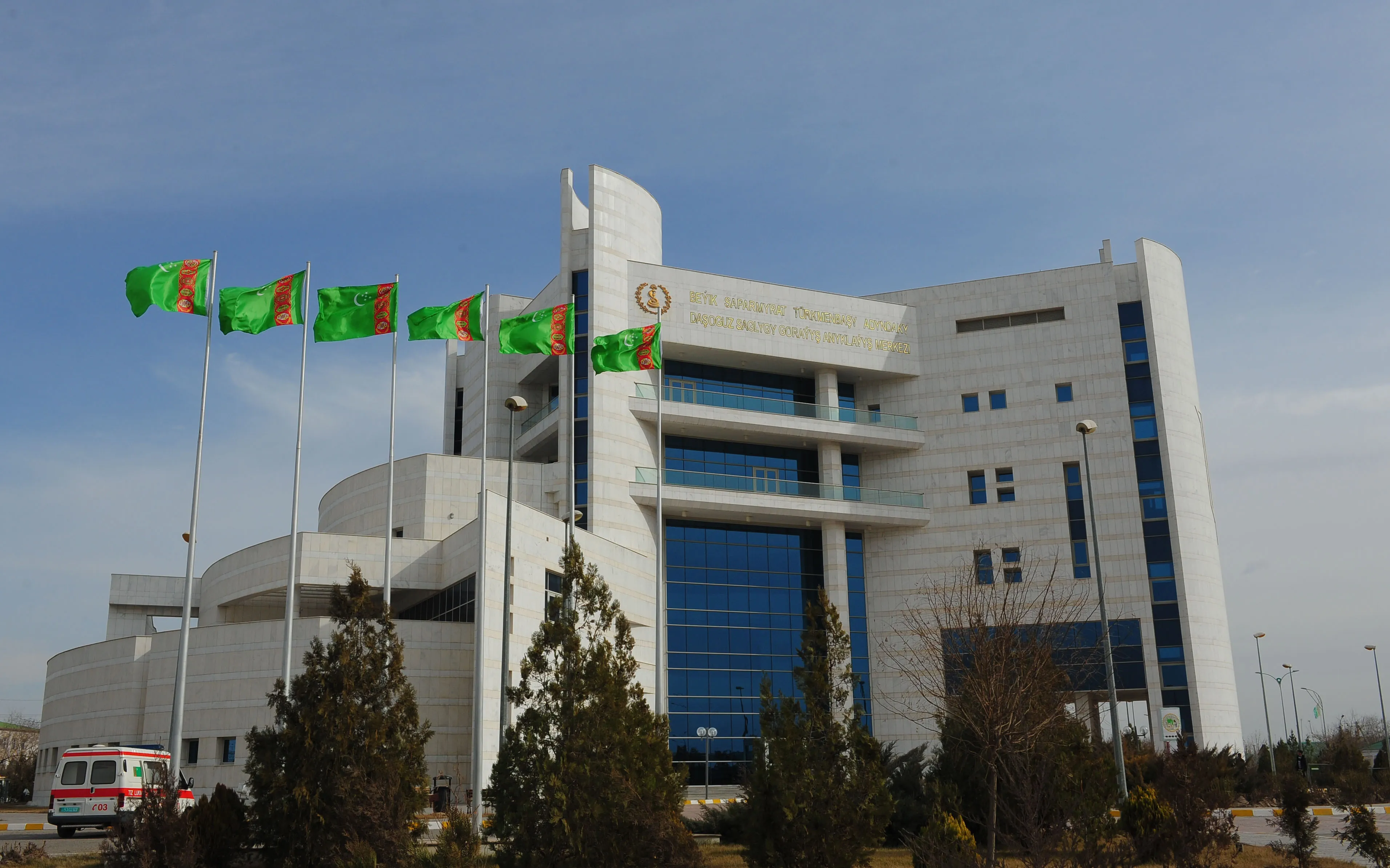

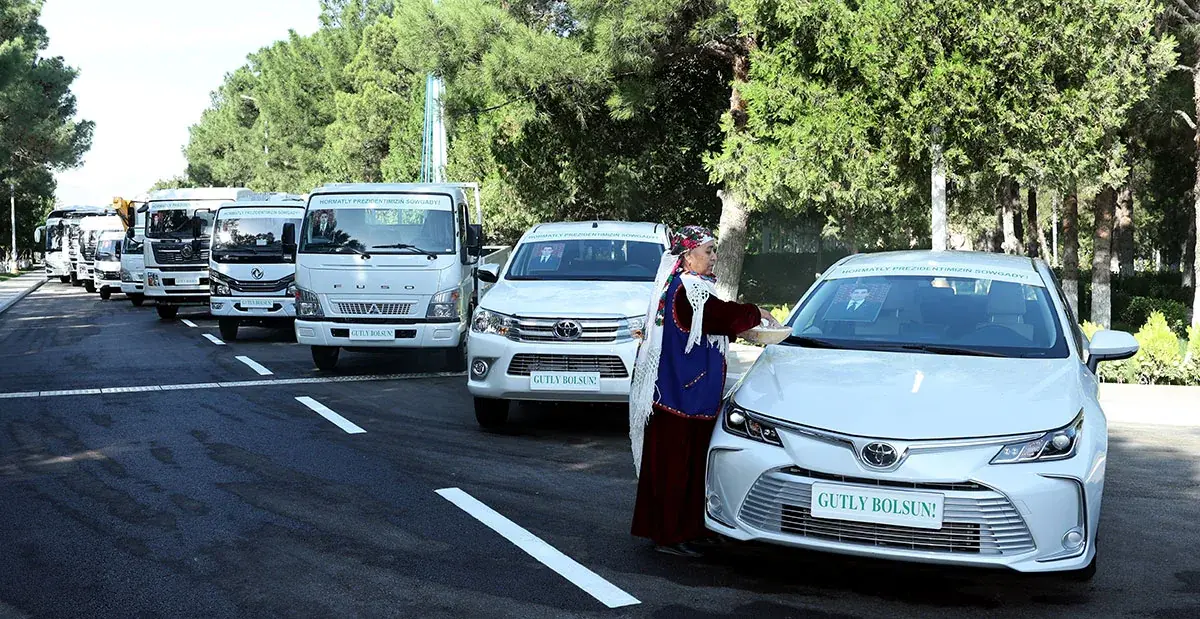
Modernization Milestones: Archman Health Resort Receives New Vehicle Fleet and International Quality Certificates
10 Oct. 09:50During the inauguration of a new medical and treatment complex at the Archman Health Resort, specialized vehicles were presented on behalf of President Serdar Berdimuhamedov. The keys to the fleet were presented by the National Leader of the Turkmen People, Gurbanguly Berdimuhamedov. Concurrently, the resort was awarded prestigious international certificates from ASKIN & CO GmbH, Med-Lab-GmbH, BTL Industries Limited, H2S in Balneology Global Initiative, and the Academy of Balneology and Climatology, recognizing its state-of-the-art diagnostic equipment and balneological standards.
To mark the occasion, the Chairman of the Halk Maslahaty signed the resort's Guest of Honor book, while healthcare professionals presented the National Leader with a handmade Turkmen carpet as a expression of gratitude.
Blitz