
Playlist

Summit in Avaza: Leaders of Central Asian States and Azerbaijan to Meet on October 8
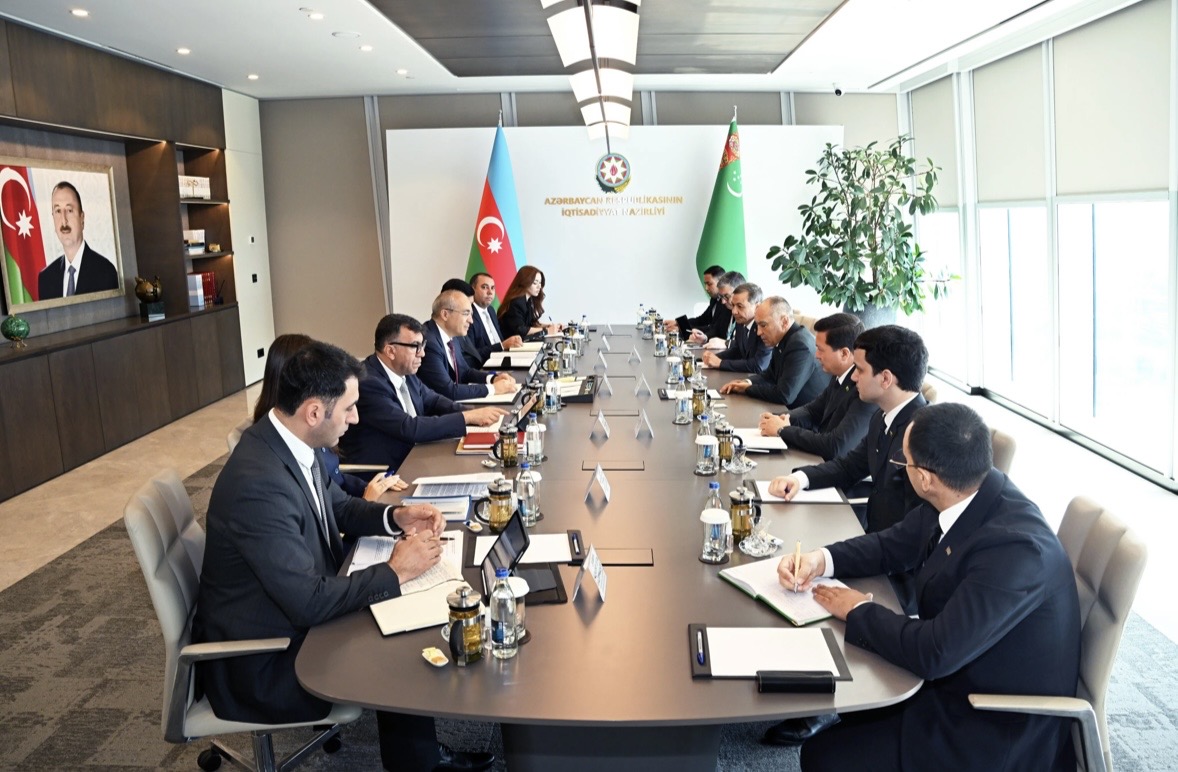
31 Jul. 11:50The Consultative Meeting of the Heads of State of Central Asia and Azerbaijan is scheduled to take place on October 8, 2026, in the Avaza National Tourist Zone. President of Turkmenistan Serdar Berdimuhamedov announced the date during an informal consultative gathering of regional leaders held in Kyrgyzstan. The President highlighted that Turkmenistan is taking a comprehensive approach to host the summit at the highest organizational level.
The draft agenda distributed to participating nations encompasses five key priority areas. Discussions will focus on regional security and stability, strengthening political and diplomatic engagement, expanding trade and economic partnerships, and deepening strategic cooperation across energy and transport-logistics networks.
A dedicated segment of the talks will address environmental sustainability, climate change adaptation, and the rational management of the Amu Darya and Syr Darya water resources. The agenda also includes coordinated measures to mitigate the Aral Sea crisis and proposals to expand educational, cultural, and youth exchange programs.
President Serdar Berdimuhamedov congratulated Azerbaijan on joining the consultative framework as a full participant following the consensus reached last year in Tashkent. He emphasized that expanding the format to six nations will further enhance regional integration, while noting that several international forums and cultural activities will accompany the main summit in Avaza.
Also read


Simple Vitamin Shows Surprising Results in Pre-Cancerous Blood Conditions, Study Finds
Today in 02:02Daily high-dose supplementation of vitamin C can significantly reduce mortality risks and help prevent severe medical complications in patients with pre-cancerous blood conditions. Researchers from the Van Andel Institute in the United States and Copenhagen University Hospital in Denmark reached this conclusion following a comprehensive three-year follow-up study. The international "EVITA" trial involved volunteers who were administered 1,000 mg of vitamin C daily over the course of a year, while a control group received a placebo.
Although initial hypotheses suggested vitamin C might directly inhibit abnormal cell proliferation, researchers found its primary benefit lay in strengthening the body, reducing systemic inflammation, and lowering rates of anemia, pneumonia, and internal bleeding. Over the three-year observation period, the vitamin C group exhibited a significantly higher survival rate compared to the placebo group. While experts emphasize that these findings remain preliminary and require larger clinical trials before reshaping formal medical treatment protocols, vitamin C continues to show promising potential in supportive patient care.
Blitz