
Playlist
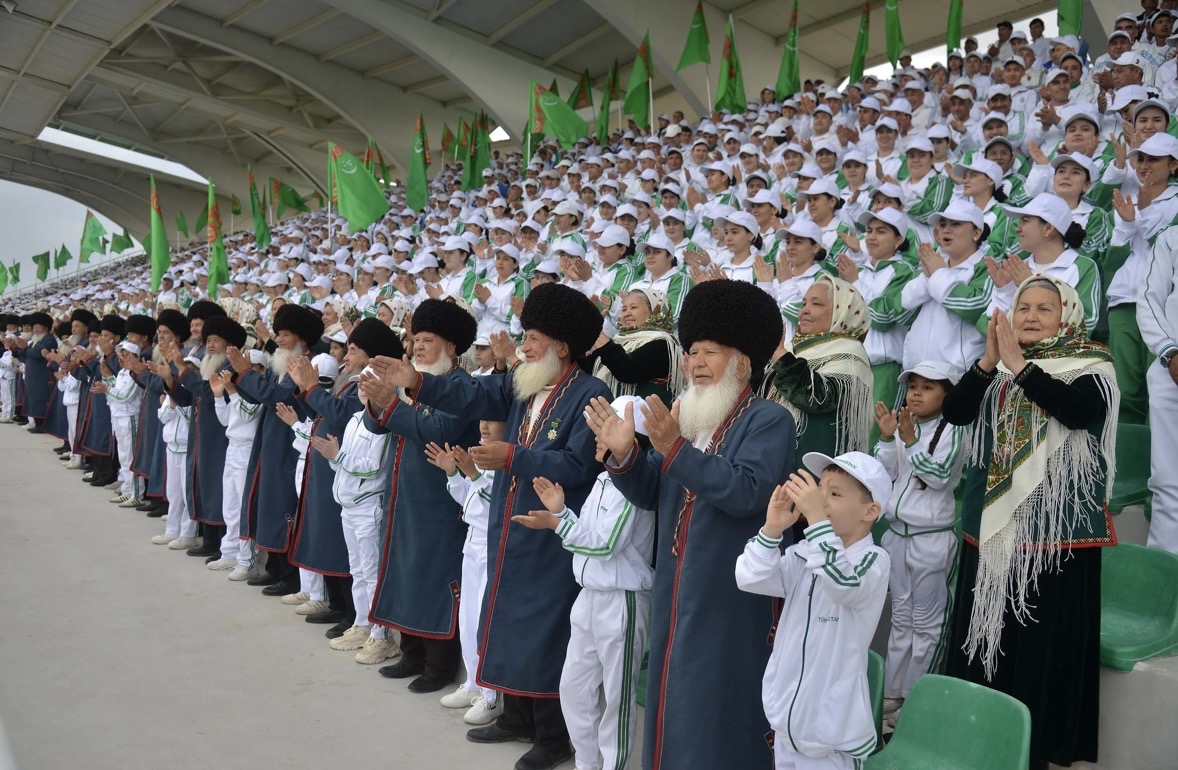
On April 5, equestrian complexes throughout Turkmenistan hosted the inaugural races of the spring season. The Ashgabat Equestrian Sports Complex featured a program of 10 races, while each provincial center organized 5 competitive heats. These events, attended by a large number of enthusiasts, showcased the speed and elegance of the elite Akhal-Teke horses, reinforcing the deep cultural significance of horse racing in the country.
In the initial 1,200-meter sprints at the capital's complex, notable victories were secured by Kamatly (1:24.2) from the President’s Akhal-Teke Equestrian Complex, Eminay (1:25.1) owned by the Ashgabat City Administration, and Ülkäm (1:22.6) representing the Supreme Court. Additionally, the stallion Aksakal (1:23.0) from the G.Saparov private farm demonstrated impressive speed to claim first place in his heat.
As the race distances increased, the competition became more intense. Over 1,400 meters, the winners were Kalbynur (1:37.7) and Bendesen (1:35.3). The 1,600-meter race was won by Messepli (1:51.0), while Shaly (2:04.6) triumphed in the 1,800-meter category. The highlight of the day was the 2,000-meter endurance trials, where the stallions Gochyigit (2:19.6) and Dowamat (2:20.6) crossed the finish line ahead of their rivals, securing prestigious awards.
The racing festival concluded with formal awarding ceremonies where winning jockeys and owners received valuable prizes. The successful launch of the spring season highlights the ongoing commitment to advancing equestrian sports and honoring the world-renowned heritage of the Akhal-Teke breed.

Grand Musical Gala in Ashgabat: International Pop Stars Perform at Capital Stadium
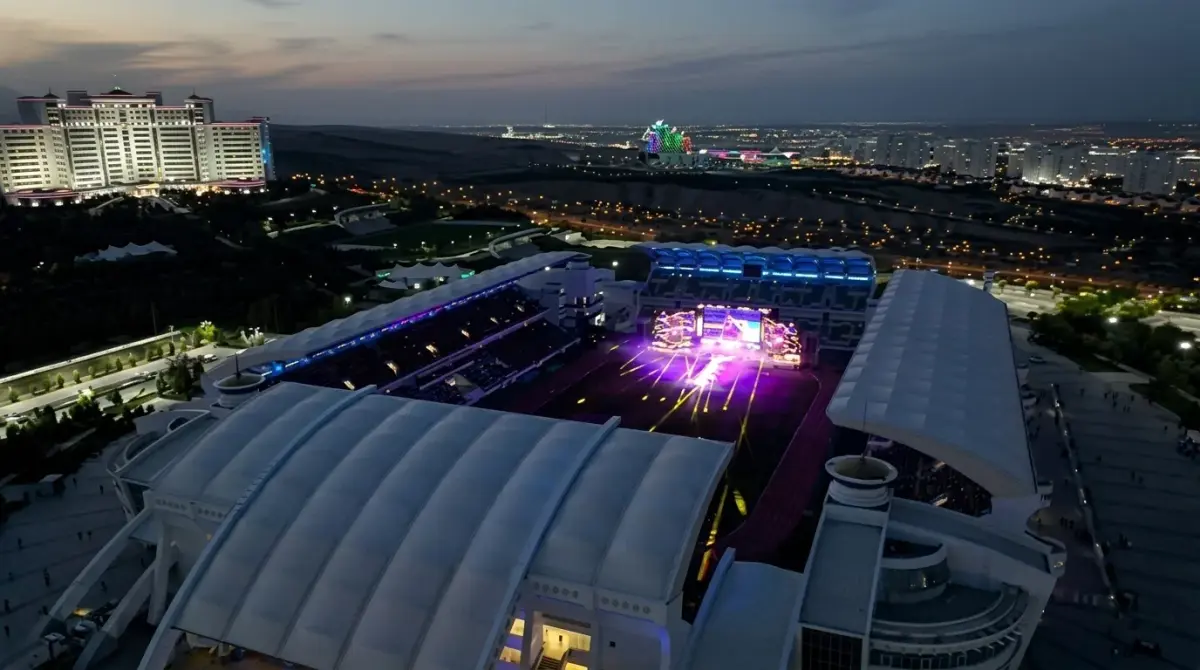
10 Oct. 06:14A festive concert featuring prominent international and domestic artists was hosted at the "Ashgabat" Multi-Purpose Stadium. The line-up included Russian Pop Star and Honored Artist of Turkmenistan Nyusha, Lebanese singer Maya Diab, Turkish pop icons Murat Boz and Hadise, along with Arsen Shakhunts. Nyusha surprised the audience by concluding her performance with the song "Bagt Nury," composed by National Leader of the Turkmen People Gurbanguly Berdimuhamedov.
Dedicated to the 35th Anniversary of Turkmenistan’s Independence, the event brought together thousands of music enthusiasts. Following their stage performances, the international guest artists expressed deep admiration for Ashgabat's urban aesthetic and the warm hospitality extended by the Turkmen public.
Blitz