
Playlist
Solar Mini-Grids to Power Remote Communities Across Turkmenistan Under New Four-Million-Dollar UNDP Initiative
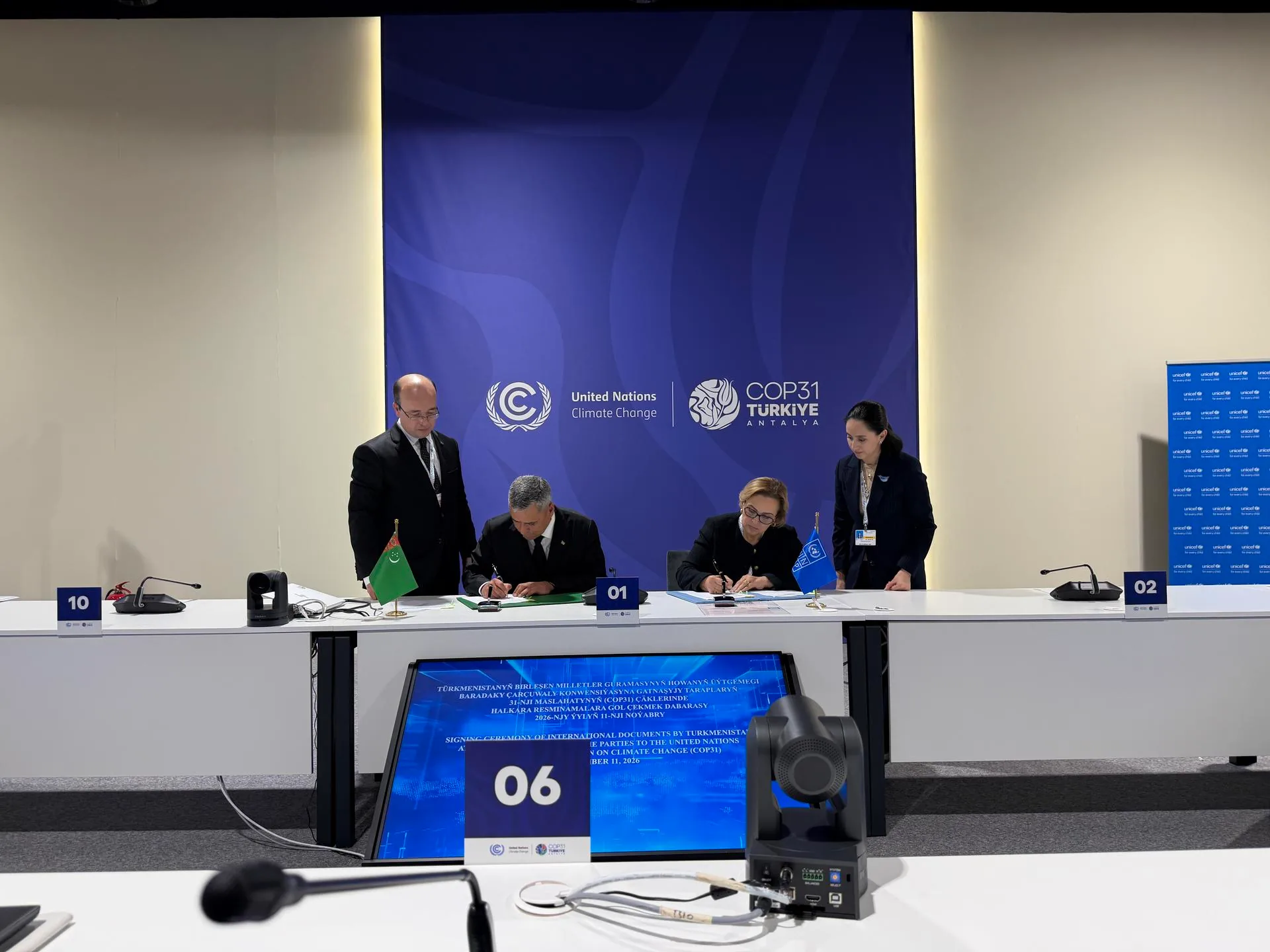
13 Nov. 14:30Following the landmark climate agreements signed on the sidelines of the COP31 conference in Antalya, the United Nations Development Programme (UNDP) has unveiled comprehensive details regarding its upcoming clean energy partnership with the Government of Turkmenistan. Backed by a Global Environment Facility (GEF) grant exceeding 4.17 million US dollars, the five-year project titled "Supporting Energy Transition for Remote Settlements of Turkmenistan" will be executed by the United Nations Office for Project Services (UNOPS) in close coordination with Turkmenistan's Ministry of Environmental Protection and Ministry of Energy.
A central pillar of the initiative involves installing and commissioning up to ten pilot solar mini-power plants with a combined capacity of up to 2 MW in isolated communities that currently rely heavily on diesel generators for electricity. These demonstration facilities will showcase the viability of solar power across Turkmenistan's remote regions and establish a blueprint for broader clean energy adoption. Building upon the operational experience gained from these initial sites, experts will conduct feasibility assessments and prepare tailored technical solutions for potentially deploying solar energy systems in an additional 120 remote settlements.
Beyond physical infrastructure, the project focuses on strengthening the regulatory and institutional framework for renewable energy, training local specialists, and expanding domestic technical expertise. UNDP Resident Representative in Turkmenistan Narine Sahakyan noted that expanding access to reliable, clean electricity significantly enhances community resilience and human well-being—particularly for women and vulnerable groups—by translating national ambitions into tangible investments. The program directly supports Turkmenistan's National Strategy for the Development of Renewable Energy through 2030, advancing the country's commitments under the Paris Agreement and the United Nations Sustainable Development Goals.
Also read
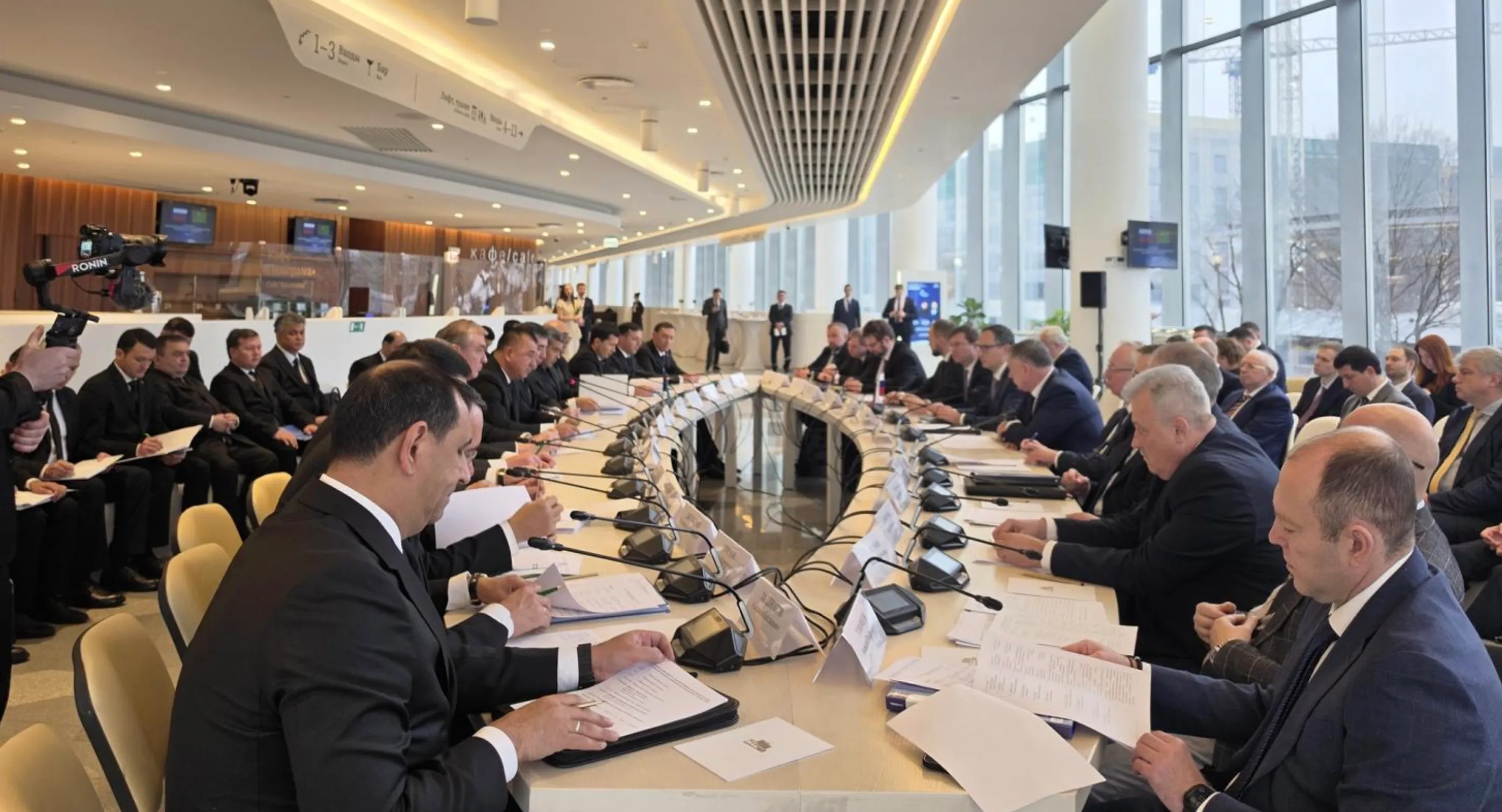
Turkmenistan and Russia Chart New Strategic Priorities at 14th Intergovernmental Commission Meeting in Moscow
23 Nov. 13:42On November 23, Moscow hosted the 14th session of the Intergovernmental Turkmen-Russian Commission on Economic Cooperation, co-chaired by Deputy Chairman of the Cabinet of Ministers of Turkmenistan Nokerguly Atagulyyev and Deputy Prime Minister of the Russian Federation Marat Khusnullin. According to the Ministry of Foreign Affairs of Turkmenistan, both delegations commended the productive momentum of interstate dialogue anchored in the principles of deepened strategic partnership. Participants underscored the pivotal role of high- and highest-level contacts in securing long-term bilateral progress, alongside regular intergovernmental, interparliamentary, and interagency exchanges.
During substantive discussions, the sides reviewed the current state of bilateral cooperation, evaluated the implementation of previously reached agreements, and identified priority areas for future growth. Particular focus was placed on expanding trade and economic ties, strengthening collaboration across the fuel and energy sector, industry, and agriculture, and fostering direct business-to-business links between companies of both countries. The agenda also encompassed expanding joint initiatives in transportation, communications, and digital technologies.
In the humanitarian sphere, delegations explored ways to deepen cooperation across education and science, healthcare, culture, sports, and environmental protection. Representatives of both friendly nations reaffirmed their commitment to actively advancing joint programs and put forward concrete proposals to broaden collaboration. Concluding the session held in an atmosphere of traditional friendship and mutual trust, the co-chairs signed the final Protocol of the 14th Meeting of the Intergovernmental Turkmen-Russian Commission on Economic Cooperation.
Blitz