
Playlist

At the meeting of the Council of the Heads of State-founders of the International Fund for Saving the Aral Sea (IFAS) held in Astana on April 22, President of Uzbekistan Shavkat Mirziyoyev was officially elected to lead the organization for the 2027–2029 cycle. The summit marked the conclusion of Kazakhstan's chairmanship from 2023 to 2026, providing a high-level platform for Central Asian leaders to evaluate progress in water resource management and socio-economic development in the Aral basin.
During his address, President Mirziyoyev characterized IFAS as a unique and vital regional institution, especially critical given the accelerating water scarcity in Central Asia. He shared a concerning forecast: by 2040, the water deficit in the Aral Sea basin could double, potentially reaching 20 billion cubic meters annually. This trend poses a severe threat to drinking water supplies, agriculture, energy production, and the overall social stability of the entire region.
The summit concluded with the signing of the Astana Declaration and several key resolutions. Notably, the leaders officially established March 26 as the International Day of the Aral Sea, the Amu Darya, and the Syr Darya. This designation is intended to focus international and regional efforts on protecting these vital water arteries and rehabilitating the environment surrounding the receding sea.
The meeting featured the participation of the Presidents of Kazakhstan, Kyrgyzstan, Tajikistan, and Turkmenistan. As the chairmanship prepares to transition to Uzbekistan in 2027, the member states reaffirmed their commitment to long-term coordination. This future leadership phase is expected to prioritize innovative water-saving technologies and comprehensive support for the millions of people residing in the Aral Sea region, ensuring a unified response to the ecological challenges of the decade.
Also read



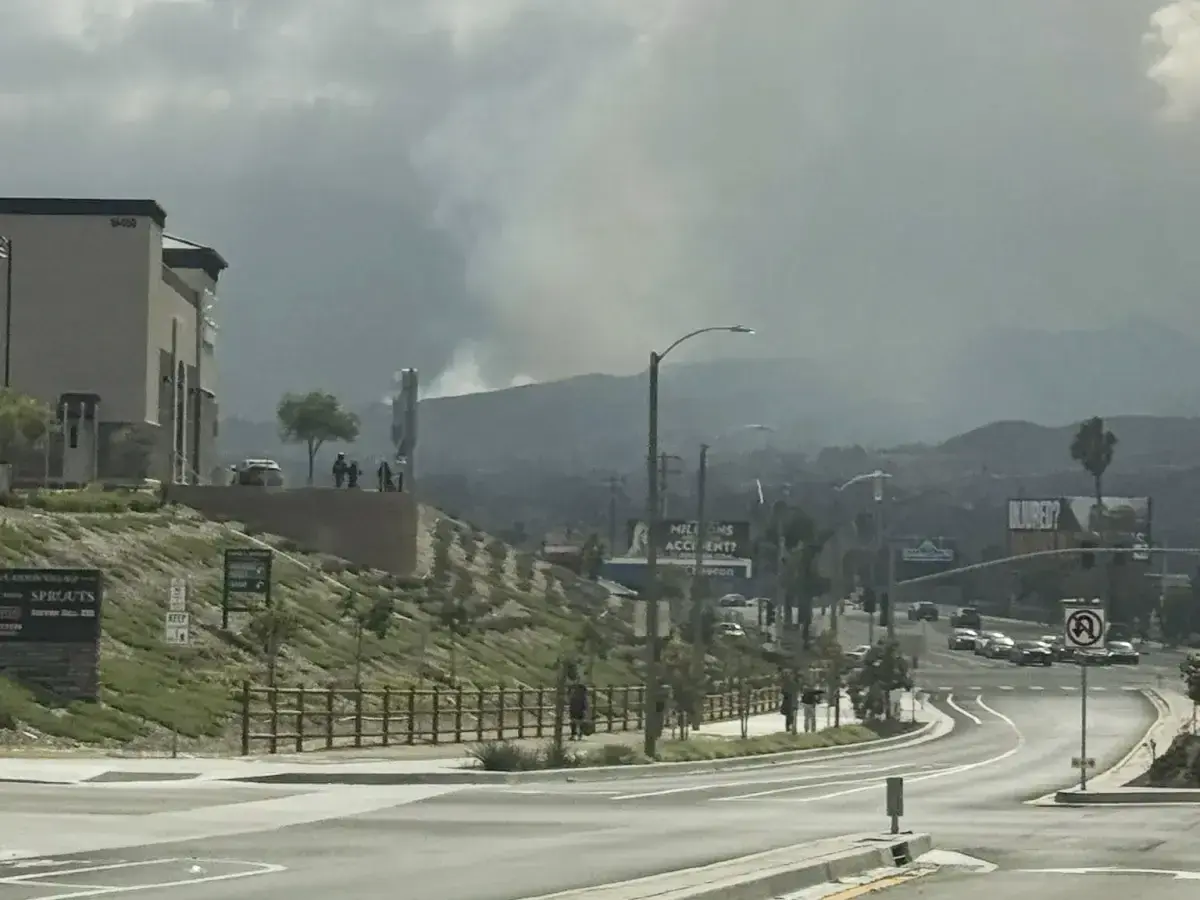
Wildfire Threat in California: Emergency Evacuations Ordered Near Los Angeles
Today in 09:33A fast-moving wildfire named "Bike" broke out near the city of Santa Clarita, just outside Los Angeles, California. Covering over 70 hectares in a short span, the blaze prompted emergency evacuation orders across eight local sectors. A temporary shelter has been established for displaced residents at the College of the Canyons in Santa Clarita while authorities investigate the cause of the fire.
Blitz