
Playlist
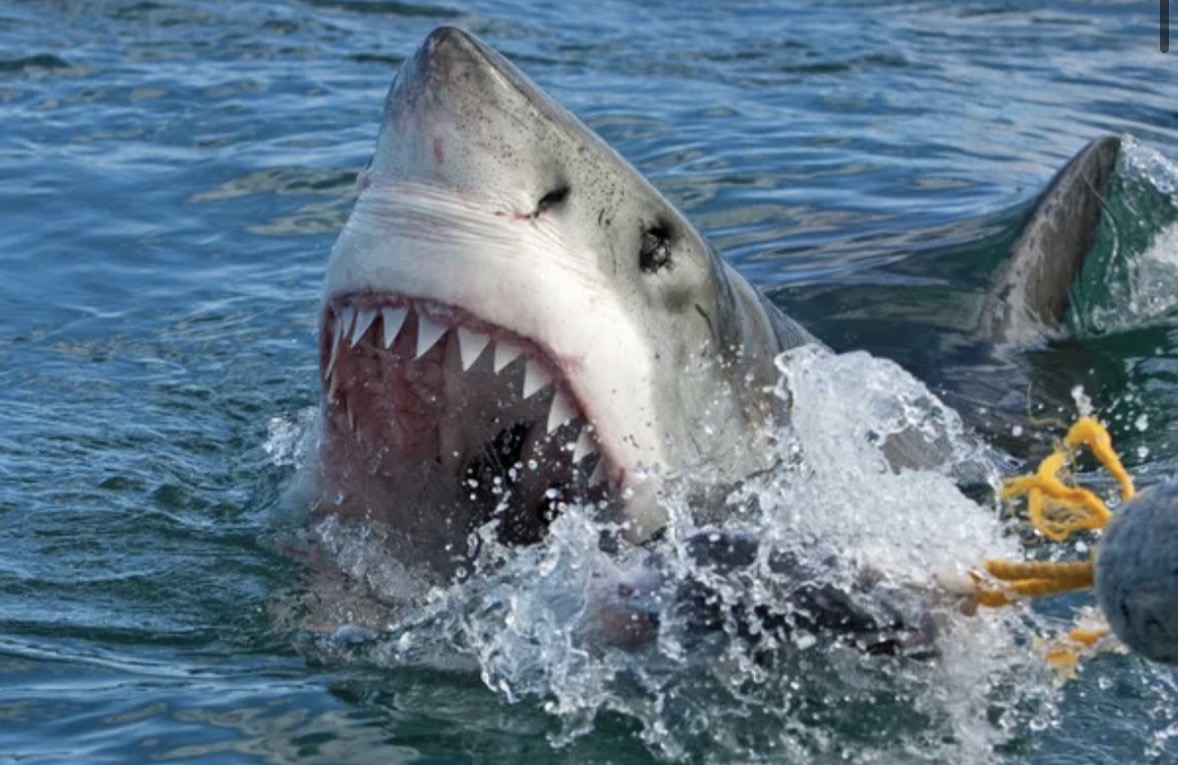
A honeymoon trip to the Maldives turned into a tragedy when a Spanish national was seriously injured in a shark attack. The victim, a medical professional by training, was swimming with a group of tourists near a fish processing facility when the predator struck. Emergency services were called to the scene immediately to transport the victim to a hospital for urgent surgical intervention.
Medical reports indicate that the man’s condition was critical upon arrival. Despite the best efforts of the surgical team, the extent of the trauma caused by the shark bite necessitated the amputation of his leg. The patient currently remains under intensive medical supervision as doctors work to stabilize his condition following the traumatic event and subsequent surgery.
Local sources suggest that the presence of sharks in the area is a well-known phenomenon, largely attributed to the nearby factory discharge of organic waste. It is reported that the facility had not disposed of fish scraps for about a week, leaving the predators in an unusually famished state. Experts believe that the sharks' hunger, combined with the acoustic disturbance created by the group of swimmers, led to the unprovoked aggression.
This incident has raised significant concerns regarding the safety protocols for aquatic activities in areas frequented by marine predators. Travelers are being urged to exercise extreme caution and avoid waters near industrial zones where wildlife behavior may be altered by artificial feeding sources. Regional authorities are currently investigating the circumstances of the attack to enhance safety measures for international visitors.
Also read




Tech Giant Amazon Negotiates Landmark $7 Billion Acquisition of AI Startup Decart
Today in 11:31Amazon is reportedly in advanced talks to acquire the Israeli artificial intelligence startup Decart in a deal valued at approximately $7 billion, according to The Wall Street Journal. Founded in 2023, Decart specializes in software that seamlessly bridges various AI processors and develops generative 3D world models such as "Lucy" and "Oasis." The startup had previously reached a $4 billion valuation earlier this year after raising over $400 million from major venture funds.
The strategic acquisition is poised to boost Amazon’s AWS cloud computing division, enhancing its proprietary Trainium3 AI chips to better compete against market leader Nvidia in generative AI hardware infrastructure.
Blitz