
Playlist

A devastating weather anomaly has struck the Stavropol Territory, causing widespread disruption across several major municipalities. The regional storm was characterized by torrential rainfall and exceptionally large hailstones that severely impacted residential architecture and vehicles. Local authorities immediately initiated emergency protocols to manage the fallout from this abrupt and destructive meteorological event.
The mechanical force of the storm caused immediate failures within the regional power grid. Multiple instances of compromised electrical infrastructure led to widespread blackouts, forcing municipal energy providers to deploy rapid-response repair crews. Residents were officially advised to remain indoors and avoid coastal or low-lying areas due to the high risks associated with lightning strikes and structural collapses.
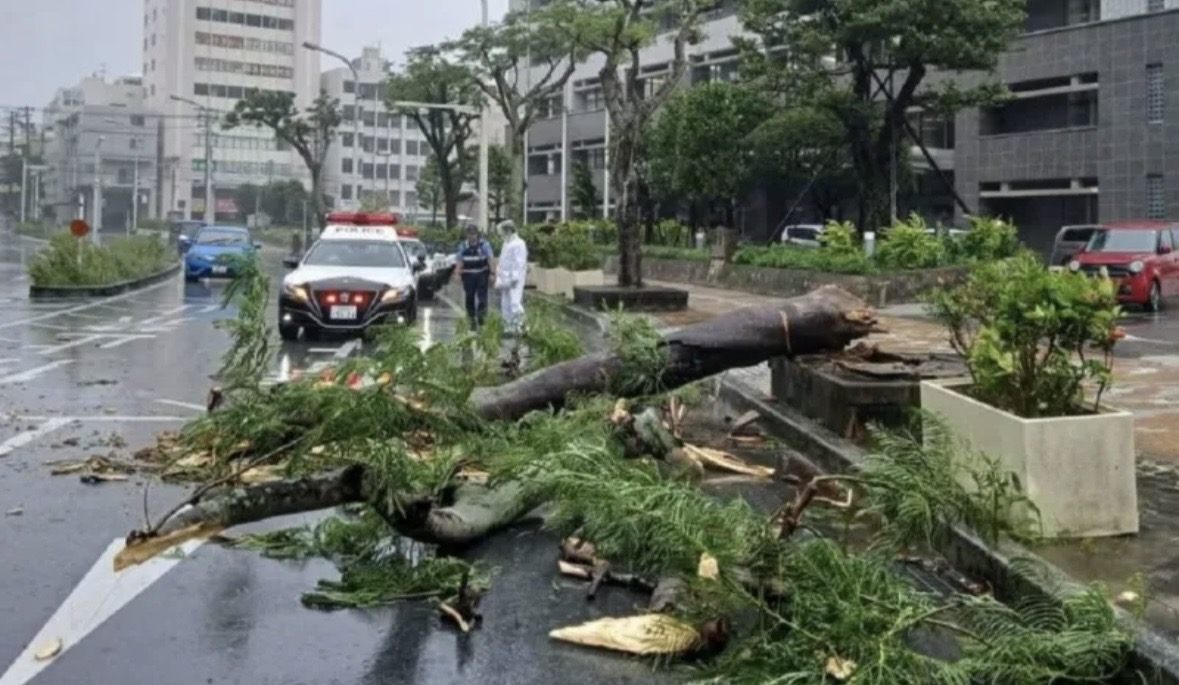
Transportation systems faced massive blockages as uprooted trees fell onto primary roads and public transit lines. Furthermore, the sudden volume of precipitation caused local streams and drainage basins to overflow, leading to severe urban flooding. Municipal management teams had to temporarily divert traffic away from submerged avenues to prevent accidents and facilitate the movement of emergency vehicles.
Cleanup and restoration efforts are currently underway, with utility services working continuously to stabilize the affected urban environments. Financial and civil experts are analyzing the overall scale of property destruction to organize state relief efforts. However, meteorological forecasts indicate that unstable atmospheric conditions are likely to persist, complicating the ongoing infrastructure recovery plans.
Also read


A rye-wheat loaf preserved in a freezer for 36 years has been put on public display as part of the permanent exhibition at the Deutschlandmuseum in Berlin. Dubbed "The Last Loaf of the GDR," it was originally purchased on June 26, 1990, by student Michael Hagedorn, who bought an extra loaf fearing potential food shortages amidst the economic unification of East and West Germany.
The museum's director, Robert Rückel, described the unusual artifact as a unique poignant symbol of everyday human decisions during times of monumental geopolitical change. To maintain its preserved state, the museum installed a custom refrigeration unit where the historical loaf remains permanently frozen for visitors to view.
Blitz