
Playlist
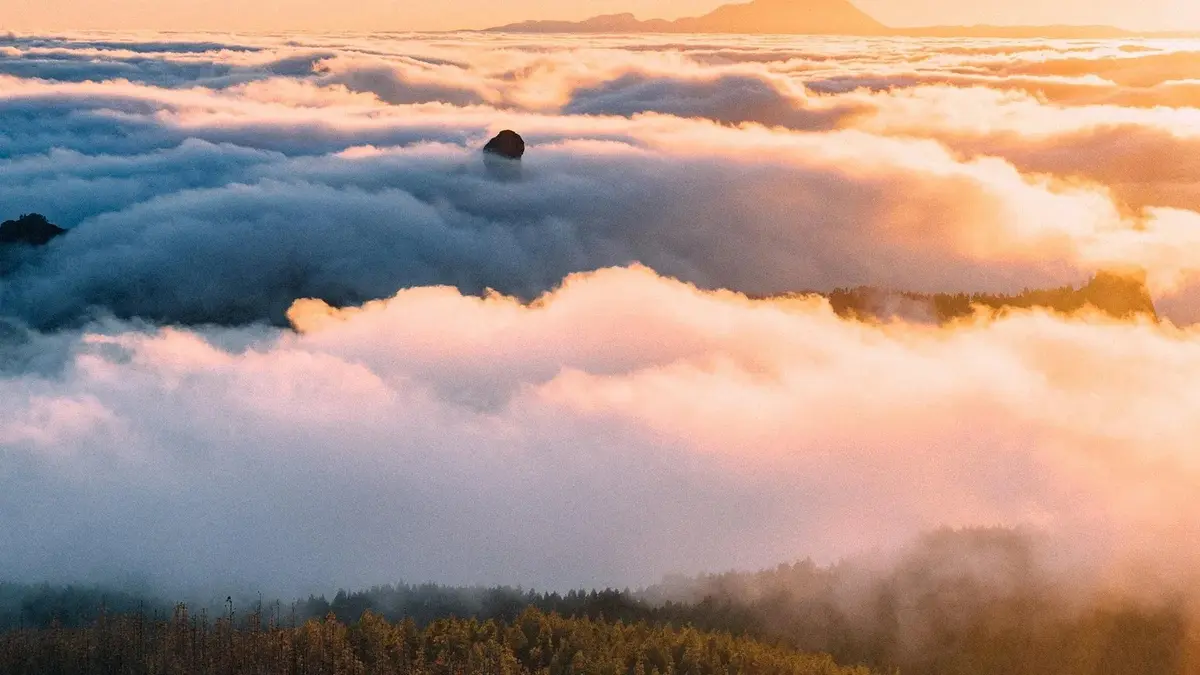
Scientists Identify the Safest Place on Earth in the Event of a Global Catastrophe
02 Sep. 16:50According to a study published in the journal "Global Challenges," Australia has been identified as one of the most resilient countries on Earth in the event of a global catastrophe, such as nuclear war, pandemics, or severe natural disasters. Researchers evaluated nations not only on geographic risk factors but also on their capacity to maintain food production, energy systems, and institutional stability during a crisis.
Australia’s remote location, advanced agricultural sector, and independent energy grid make it uniquely prepared to sustain human life. However, experts noted vulnerability factors, such as the country's reliance on imported pharmaceuticals and fuel, alongside coastal risks from tsunamis. Other highly resilient nations identified in the study include New Zealand, Japan, Switzerland, and Argentina, all of which could serve as vital recovery hubs to preserve food supplies and seed repositories post-catastrophe.

Number of Children Living in Conflict Zones Reaches Record High Since the Cold War
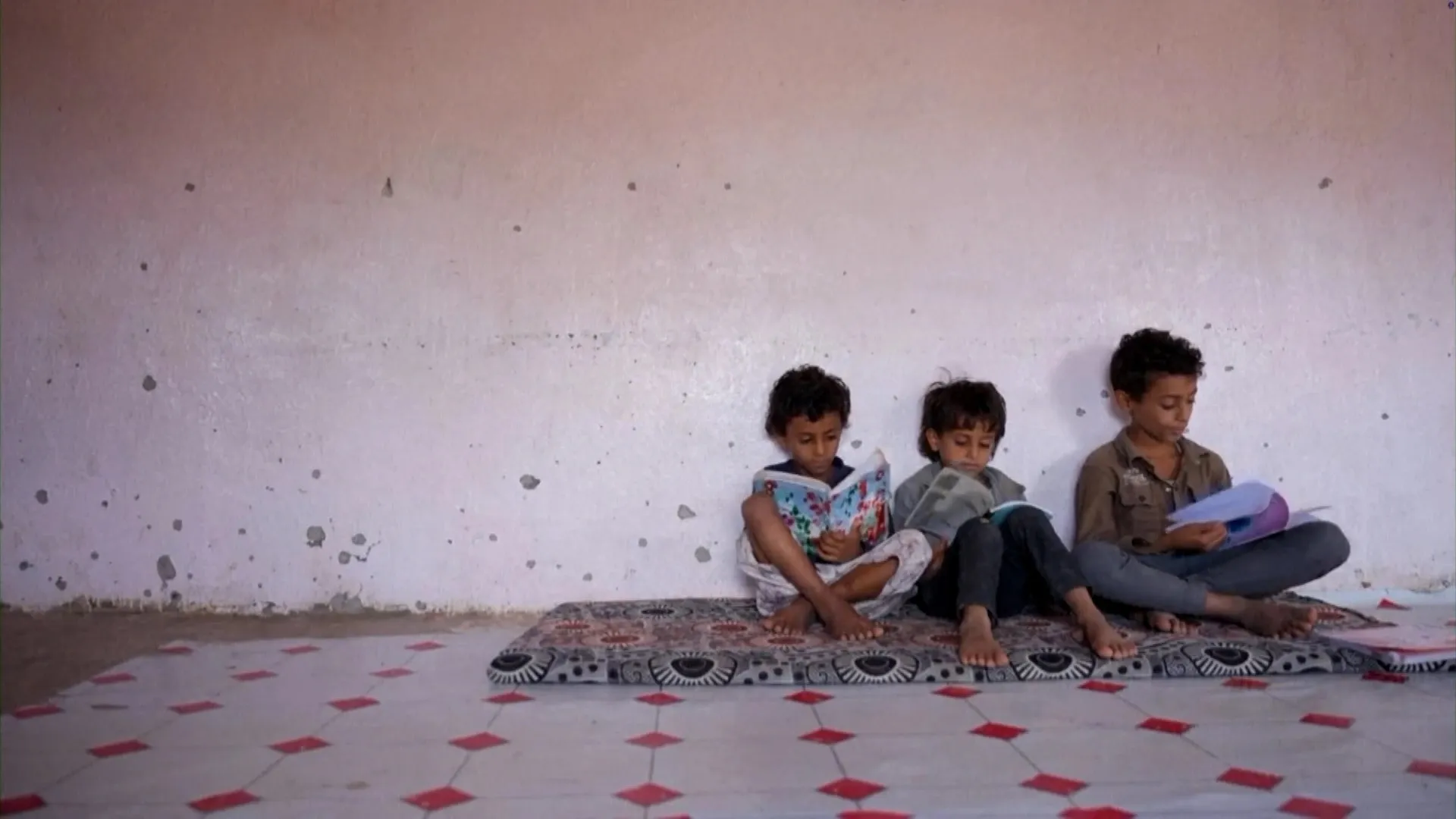
20 Nov. 02:26Every fourth child across the globe is currently living in an active conflict zone, according to alarming new figures released by the international humanitarian organization Save the Children and cited by news.by. Researchers have documented 589 million children residing in global flashpoints, marking the highest level recorded since the end of the Cold War.
Humanitarian analysts emphasize that the scale of the crisis has escalated sharply over a relatively short period, with the number of children exposed to armed violence increasing by more than 1.5 times over the past decade alone. Conditions remain especially devastating across the Middle East and Africa, where ongoing hostilities and severe deprivation claim the lives of nearly five million children under the age of five every year.
Blitz