
Playlist
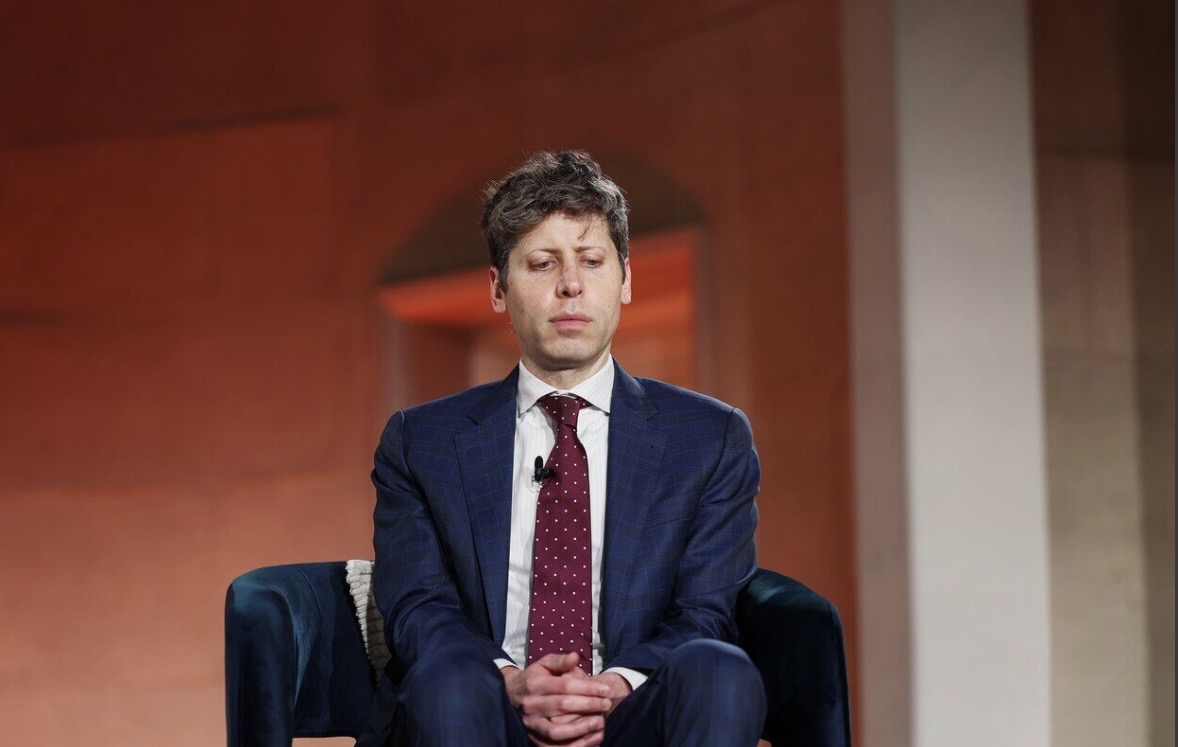
Sam Altman, CEO of OpenAI, has revised his perspective on the viability of Universal Basic Income (UBI) as a primary solution for future economic challenges. In a recent discussion, Altman expressed that the traditional model of providing fixed cash payments to citizens may no longer be the most effective response to the widespread integration of artificial intelligence. He believes that the shift in the balance between human labor and capital necessitates more dynamic economic strategies than simple direct transfers.
This change in stance follows a significant long-term study initiated in 2019, into which Altman personally invested $14 million. The experiment provided low-income participants with $1,000 monthly for three years to observe the impact on their quality of life. The results revealed that while spending increased, there were no substantial improvements in participants' physical or mental health, nor significant changes in their access to healthcare, suggesting that cash alone does not address systemic social issues.
Instead of traditional UBI, Altman is now advocating for a new form of public ownership of the economic growth generated by AI. One proposed alternative is the creation of a "Public Welfare Fund" that would grant every citizen a share in the dividends produced by technological advancements. Additionally, he suggested providing citizens with rights to AI computational resources, which individuals could use, trade, or sell, effectively turning technological capacity into a form of personal capital.
The OpenAI chief emphasized that the most pressing issue today is ensuring broad public access to the capabilities of artificial intelligence. According to Altman, restricting access to these technologies would inevitably exacerbate social inequality and further empower the wealthiest segments of the population. He maintains that democratizing access to AI tools is essential to prevent a widening gap between different social strata in the coming technological era.
Also read




New Digital Boundaries: Turkey Implements Strict Social Media Regulations for Minors
10 Oct. 10:05Starting November 1, 2026, Turkey will restrict access to social media platforms for children under the age of 15 following a new regulatory decree issued by the Presidential Cyber Security Directorate and published in the Resmi Gazete. Under the new framework, users aged 15 to 18 will undergo mandatory age verification through the "e-Devlet" portal. Accounts for this age group will feature default private settings, with explicit bans on live streaming, targeted behavioral ads, and profile recommendation algorithms.
Social media networks are also required to provide parents and legal guardians with control tools to monitor usage time, location tracking, and financial transactions. Existing active accounts must complete the age verification process by March 31, 2027.
Blitz