
Playlist
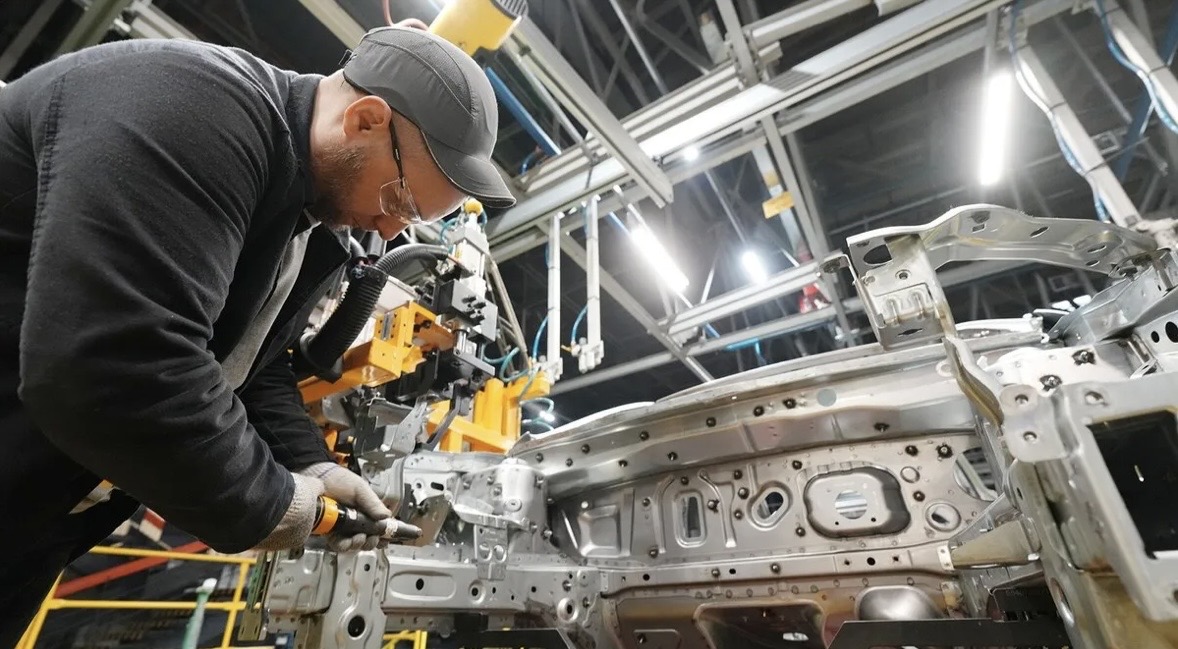
According to official data released by Russia's Federal State Statistics Service (Rosstat), the nation's automotive manufacturing sector registered a significant surge in passenger car output. As reported by "INTERFAX.RU", passenger car production in May 2026 jumped by 47.4% year-on-year, climbing to 51.6 thousand units. Concurrently, cumulative production from January to May witnessed a steady 6.8% expansion, reaching approximately 300 thousand vehicles.
In contrast, the commercial vehicle segment delivered mixed results: truck manufacturing increased by 5% in May to 9.4 thousand units, yet experienced a 19.1% contraction over the five-month period, totaling 47.3 thousand units. Within the public transit vehicle sector, the production of large-scale buses with a gross weight exceeding 5 tons (excluding electric buses) edged up by 1.8% in May with 731 units manufactured. Overall, total bus output across all classifications from January to May was recorded at 68.1 thousand units, marking a 10.4% decline compared to the previous year.
Also read



World’s Largest Unmanned Cargo Aircraft Completes Maiden Flight in China
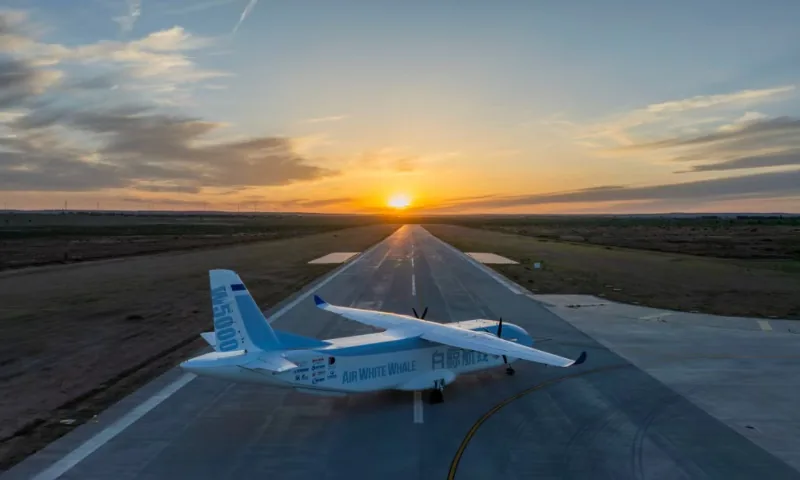
17 Nov. 16:55The Chinese-developed W5000, billed by its creators at Air White Whale as the world’s largest unmanned cargo plane, has successfully completed its maiden test flight in Inner Mongolia. Boasting a 65-cubic-meter cargo hold, the aircraft is engineered to carry payloads of up to five tons across distances reaching 2,600 kilometers.
During the trial, the aircraft lifted off after a roughly 600-meter runway roll, climbed to an altitude of 2,000 meters, and remained airborne for about 30 minutes before making a smooth landing. Operating entirely without onboard pilots, the W5000 relies on autonomous flight controls monitored by ground-based specialists, who verified the seamless integration of its propulsion, avionics, and data-link systems.
Powered by a domestically produced turboprop engine, the airframe consists of nearly 65% carbon-fiber composite materials. This lightweight structural design reduces overall empty weight while maximizing the share of takeoff mass dedicated to freight.
Developers envision deploying the W5000 for regional logistics, temperature-controlled deliveries, and emergency relief operations. Because the design eliminates cockpit equipment and flight crew expenses while cutting fuel burn, the manufacturer estimates per-ton-kilometer shipping costs will be over 60% lower than those of comparable manned cargo aircraft.
Blitz