
Playlist
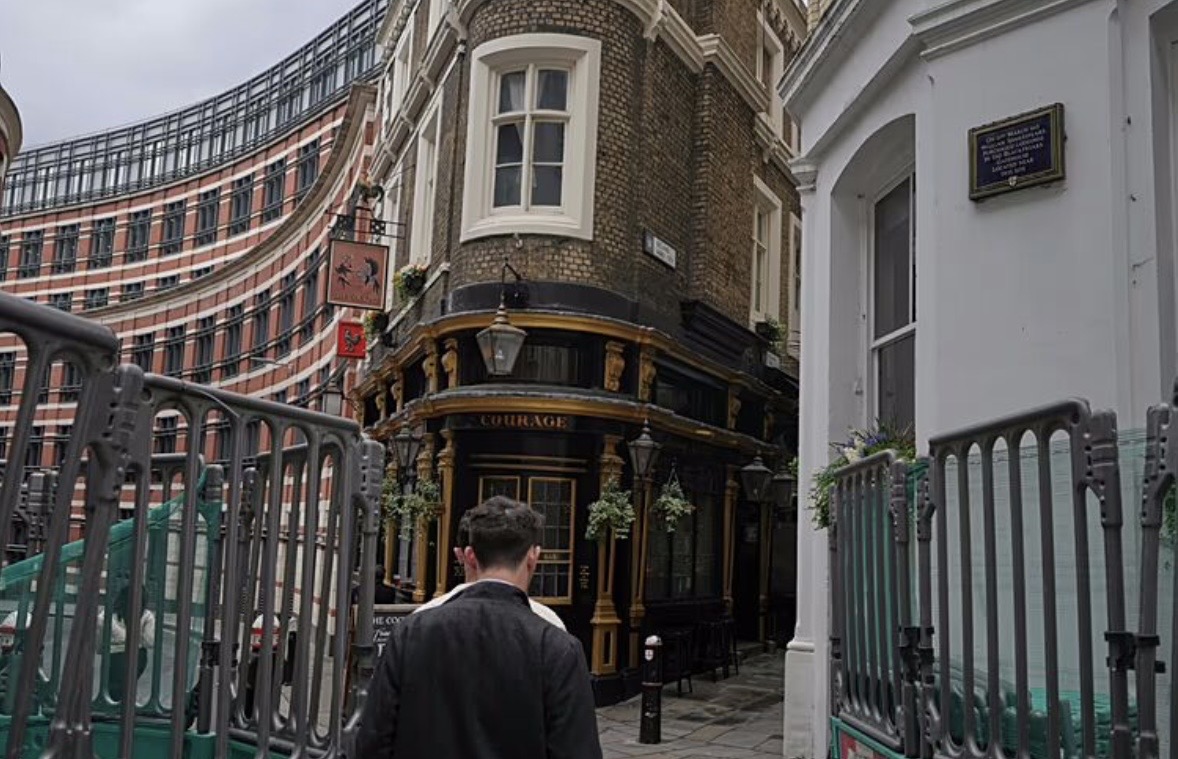
Researchers identify exact location of William Shakespeare’s London residence
19 Apr. 14:20Professor Lucy Munro of King's College London has uncovered archival documents that definitively pinpoint the location of William Shakespeare’s London estate. Utilizing 17th-century maps and records, the study identified the specific boundaries of the property in the Blackfriars district, which the playwright purchased in 1613.
While the general area of his residence was known, its precise site remained a mystery until now. The research indicates the property stood within the current boundaries of Ireland Yard and Burgon Street. Notably, it was discovered that a blue commemorative plaque on St. Andrew’s Hill is actually situated directly on the site of the former house rather than nearby.
The proximity of the home to the Blackfriars Theatre suggests that Shakespeare spent more time in the capital during his later years than previously assumed by historians. It is highly probable that his final collaborations, including "Henry VIII" and "The Two Noble Kinsmen," were composed within these London walls.
Although Shakespeare owned a family home in Stratford-upon-Avon, this London residence served as a crucial hub for his professional life until his passing in 1616. This discovery offers fresh insights into the daily life and working habits of the literary giant during the final chapter of his career.
Also read



Wildfire Threat in California: Emergency Evacuations Ordered Near Los Angeles
Today in 09:33A fast-moving wildfire named "Bike" broke out near the city of Santa Clarita, just outside Los Angeles, California. Covering over 70 hectares in a short span, the blaze prompted emergency evacuation orders across eight local sectors. A temporary shelter has been established for displaced residents at the College of the Canyons in Santa Clarita while authorities investigate the cause of the fire.
Blitz