
Playlist
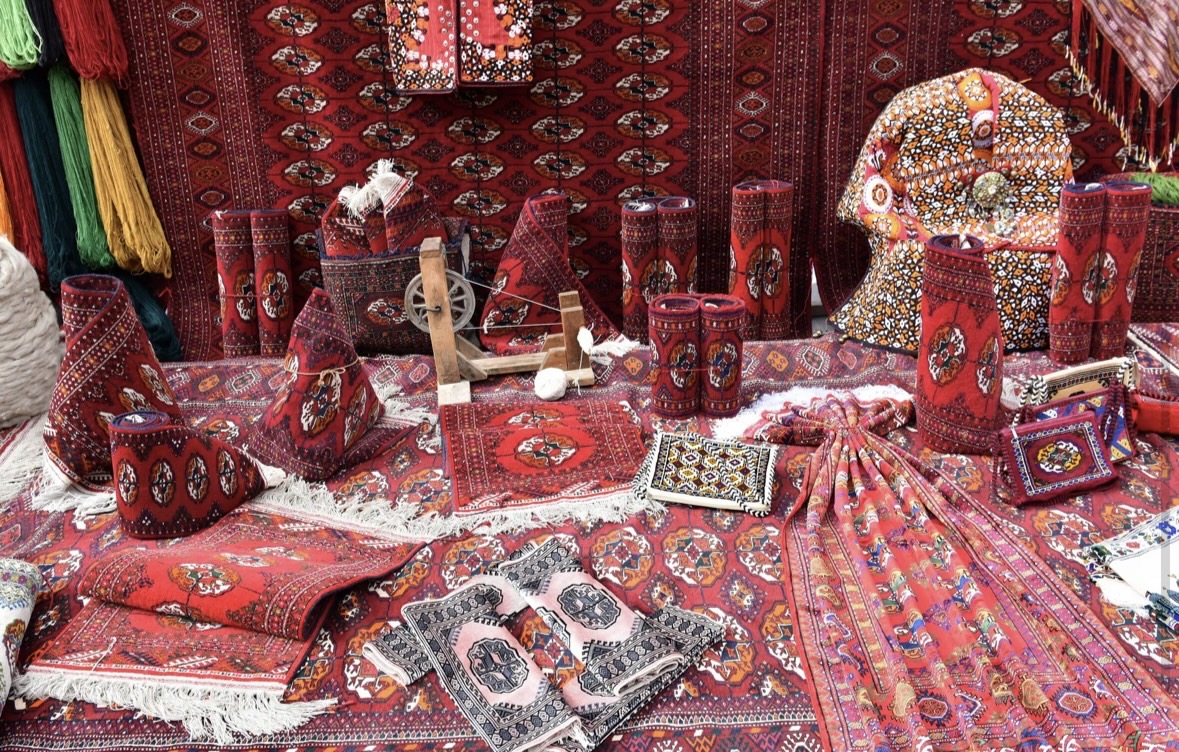
Regulations Clarified for Foreign Tourists Purchasing and Exporting Turkmen Carpets
02 Jun. 07:24Foreign tourists and international guests visiting Turkmenistan possess the legal right to purchase authentic handmade carpets as souvenirs for subsequent transport abroad. According to the country's current regulatory framework, export permits are exclusively granted for items woven no more than fifty years prior to the date of purchase. Detailed guidelines on the cross-border movement of these national treasures were recently published by the "Altyn Asyr" electronic newspaper.
For an optimal purchasing experience, buyers are encouraged to transact through certified state-run outlets or authorized gift shops situated within hotel complexes. The primary benefit of selecting these venues is that the retail establishments manage the mandatory expert evaluations, arrange all necessary paperwork, and cover the associated processing fees. Upon purchase, customers are immediately provided with a sales receipt and an authenticity certificate, guaranteeing trouble-free exportation.
Possessing this official documentation reduces customs inspections at the Ashgabat International Airport or overland border checkpoints to a simple formality. Individuals are completely exempt from paying export customs duties; passengers are merely required to list the carpet on their customs declaration form and present it unfolded to inspectors alongside the receipt and certificate. These streamlined procedures complement national efforts to promote local heritage, which was recently highlighted during the country's widespread celebrations of the Turkmen Carpet Day.
To further accommodate international buyers, leading specialized markets across Turkmenistan have established global shipping services capable of delivering cargo anywhere in the world. Thanks to these well-coordinated logistics networks, masterpieces of traditional craftsmanship are seamlessly transported to destinations in Europe, Asia, and the Americas. This international delivery system significantly simplifies the integration of traditional Turkmen weaving art into the global cultural environment.
Also read


IOM Handicraft Fair in Mary Marks Conclusion of Three-Year Vocational Empowerment Project for Women
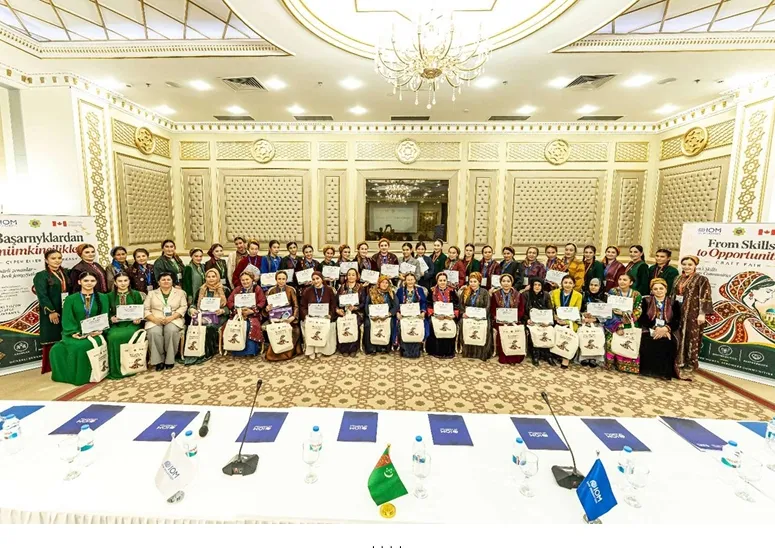
21 Nov. 12:34The International Organization for Migration (IOM), with the support of local authorities and partner public associations, hosted the "From Skills to Opportunities" handicraft exhibition and fair in the city of Mary. More than 30 female artisans representing both local and Afghan communities across the Mary region showcased their craftsmanship to over 200 visitors, including private sector representatives, university students, and members of the wider public. On display was a vibrant array of traditional handiwork ranging from silver jewelry, embroidered dress panels, and national skullcaps (tahya) to bridal robes (kurte), handwoven carpets, felt crafts, crocheted floral bouquets, and intricately adorned Afghan national garments.
A central highlight of the event was a roundtable dialogue bringing artisans together with regional business leaders to explore sustainable employment pathways. Representatives from prominent Turkmen enterprises—including Taze Ay, Gerchek Yigit, and Rowshen—presented concrete proposals to integrate skilled women into their production operations. Among the initiatives outlined were dedicated commuter transportation from remote villages, workplace meal provisions, unpaid vocational internships, and structured mentorship programs leading to permanent manufacturing roles.
The fair served as the culminating milestone of IOM's three-year regional initiative, the "Comprehensive Action Plan for Afghanistan and Neighboring Countries," implemented in Turkmenistan with government backing and coordination by the Ministry of Foreign Affairs. Through close collaboration with local administrations and non-governmental organizations across the Lebap and Mary regions, the country component provided targeted vocational support to 219 women and young women. Participants completed an intensive three-month tailoring program combining theory and hands-on training, graduating with official certificates and complimentary professional sewing machines to launch income-generating livelihoods.
Blitz