
Playlist
President of Turkmenistan Emphasizes Comprehensive Approach to Saving the Aral Sea
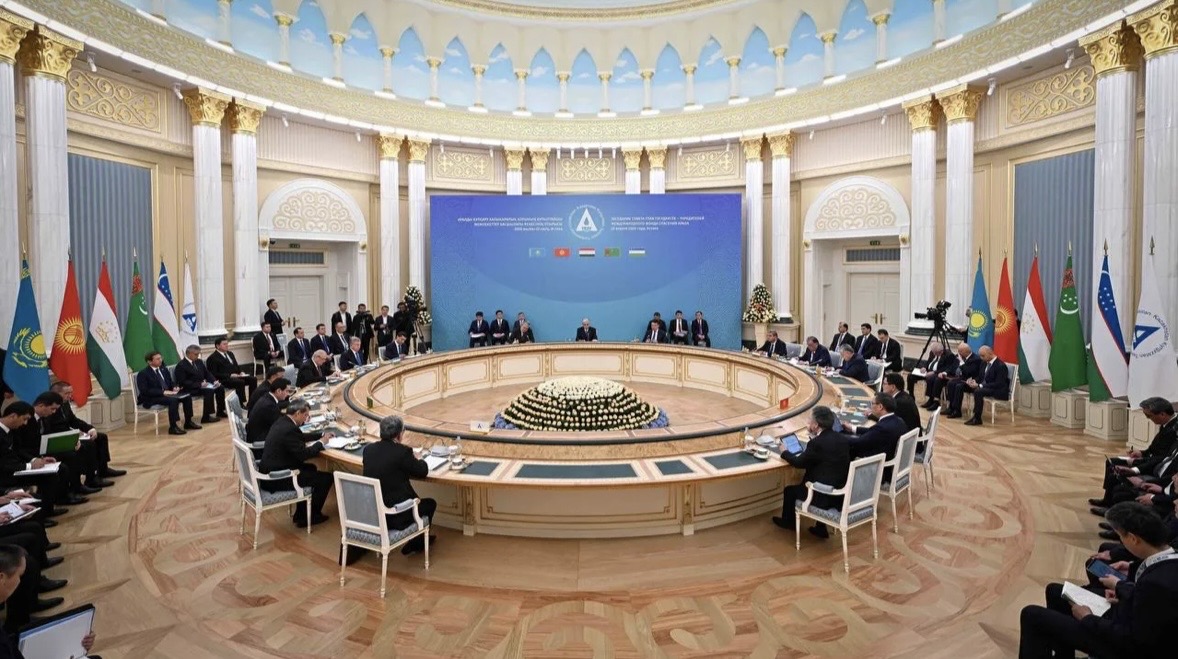
22 Apr. 17:09At the Council of Heads of State-founders of the International Fund for Saving the Aral Sea (IFAS) in Astana, President Serdar Berdimuhamedov underscored the strategic necessity of addressing the region's environmental challenges. He stated that amid current global geopolitical complexities, the critical environmental issues of Central Asia must remain a top priority. The preservation of the Aral Basin and the well-being of its coastal populations represent a profound political and moral responsibility for all regional governments.
The Turkmen leader advocated for an integrated strategy where Aral Sea issues are inextricably linked with concerns over glacier melting, desertification, and the management of transboundary water resources. As a logical step in this regional cooperation, it was announced that a Regional Center for Climate Change Technologies under the UN will soon begin operations in Ashgabat. This facility is expected to provide essential technological support to foster social and economic prosperity alongside environmental security in Central Asia.
To elevate international collaboration, Turkmenistan proposed the drafting of a new UN General Assembly Resolution focused on the partnership between the UN and IFAS. This initiative aims to reflect contemporary geopolitical and economic shifts in global environmental governance. The President recalled Turkmenistan’s proactive chairmanship of IFAS from 2017 to 2019, which led to significant UN resolutions and the development of the fourth phase of the Action Program to assist countries in the Aral Sea basin.
The Aral Sea crisis, triggered in the 1960s by the excessive diversion of the Amu Darya and Syr Darya rivers, led to the establishment of IFAS in 1993 by the five Central Asian states. Today, the Fund remains the primary mechanism for financing environmental and socio-economic projects aimed at ecological restoration. The collective efforts of Kazakhstan, Kyrgyzstan, Tajikistan, Turkmenistan, and Uzbekistan continue to be the only viable path toward mitigating one of the most severe ecological disasters of the modern era.
Also read

Historic Heritage and Breathtaking Nature: Turkmen Journalists Explore Balıkesir and Çanakkale
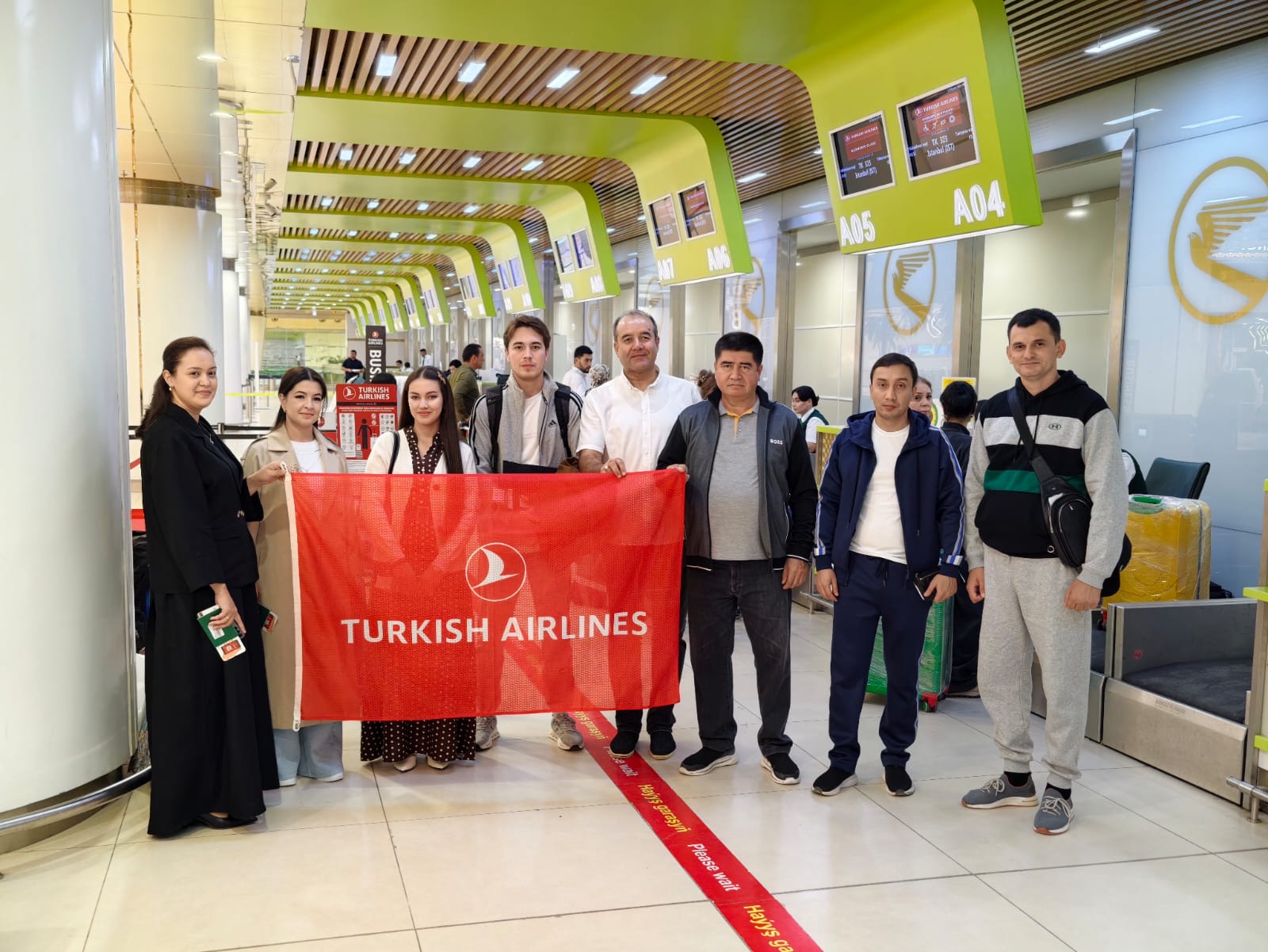
11 Oct. 15:20An international press tour for media representatives from Turkmenistan is currently underway in Türkiye, organized by the Türkiye Tourism Promotion and Development Agency (TGA) with the support of the Ministry of Culture and Tourism of the Republic of Türkiye.
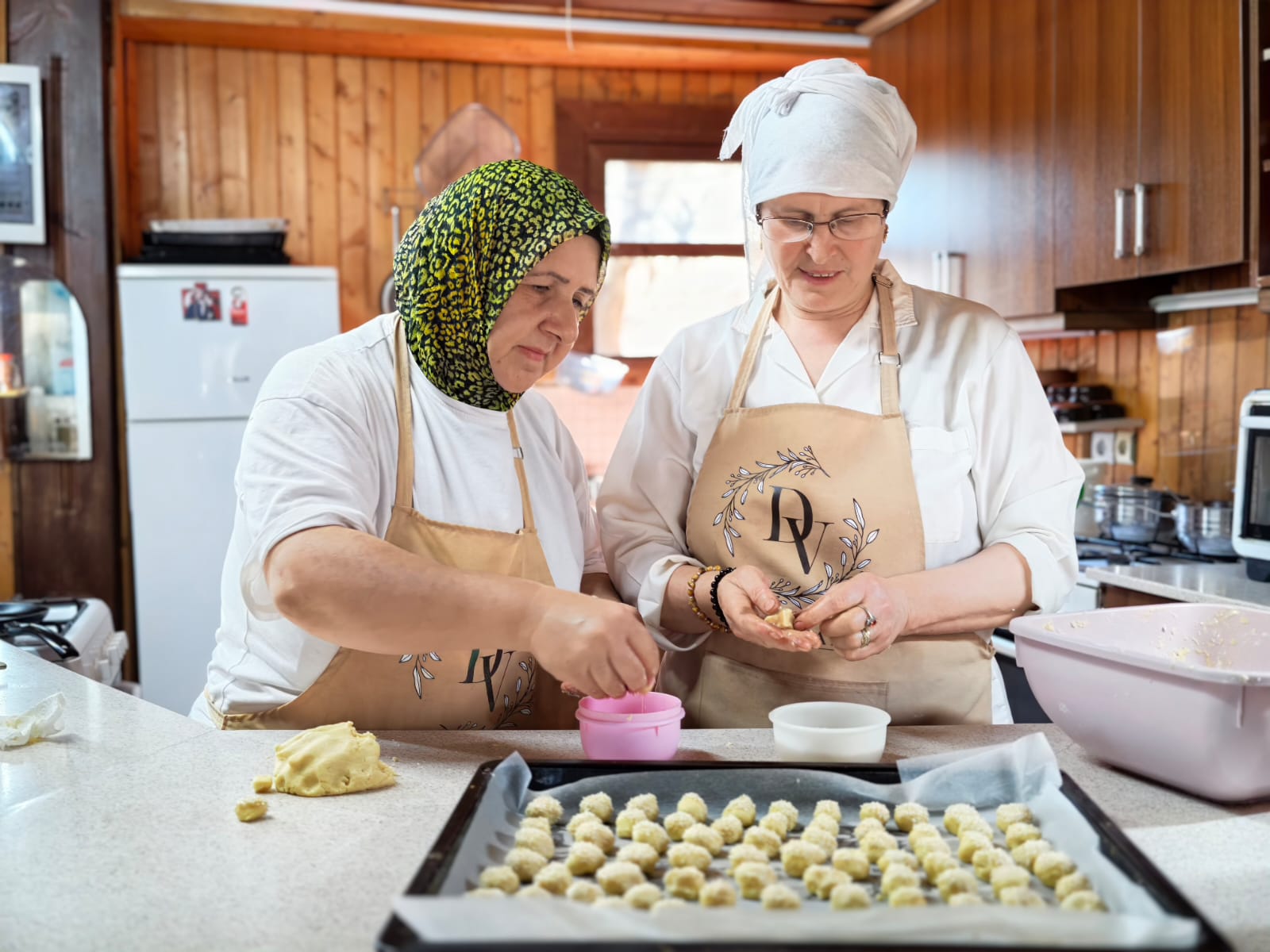
The delegation includes journalists and content creators from the country’s leading public and private media outlets.
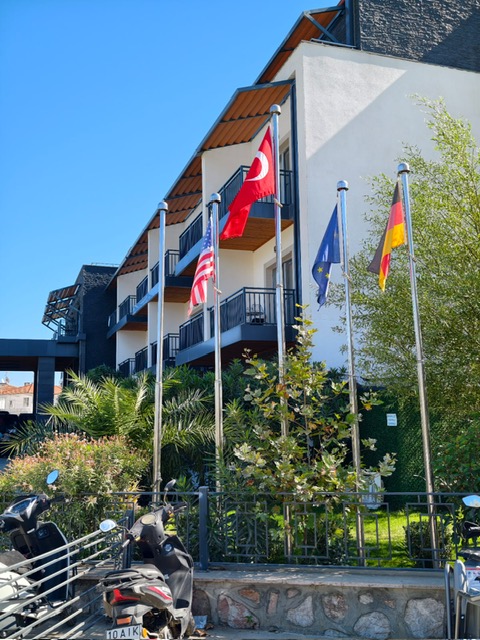
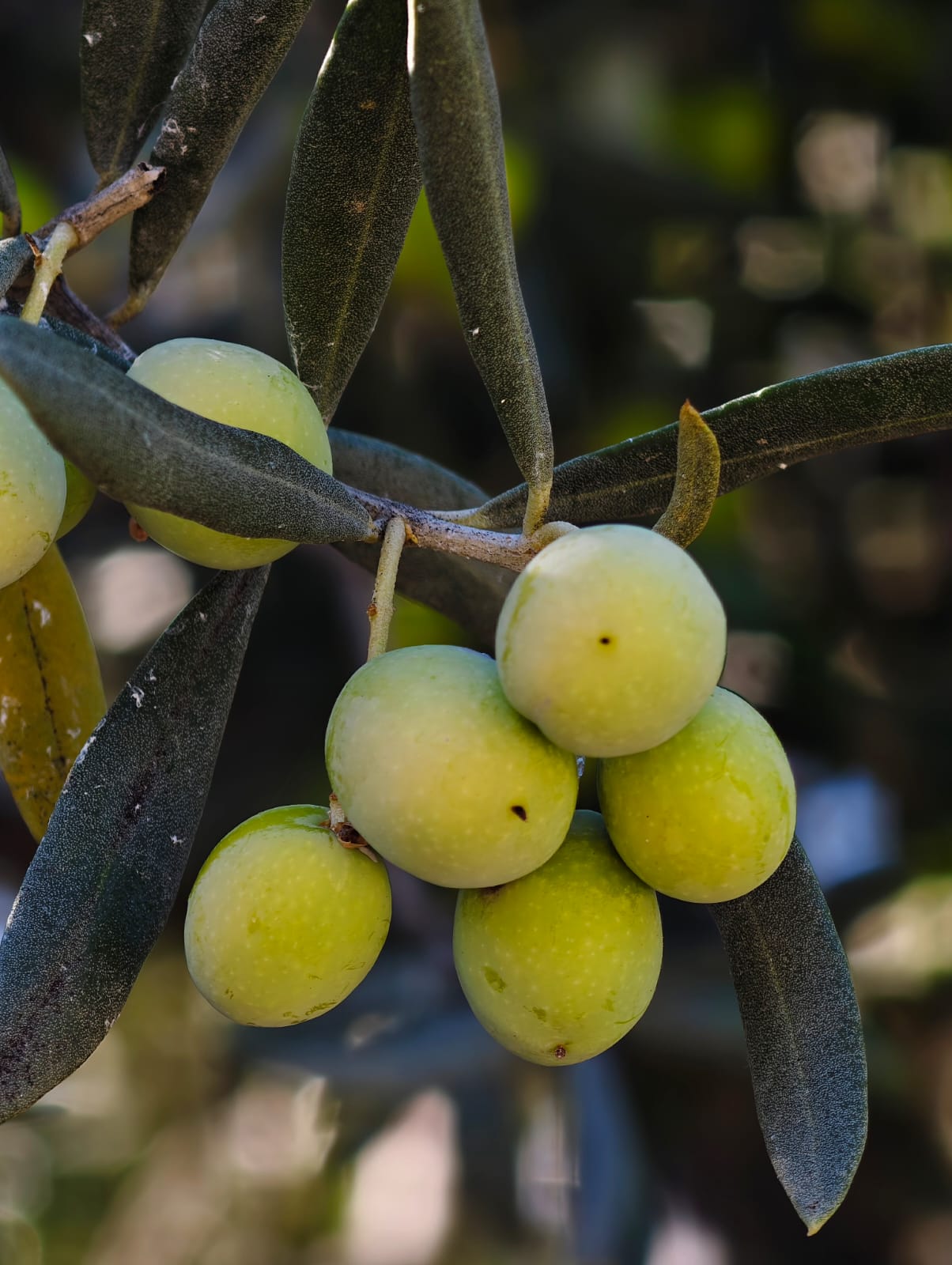
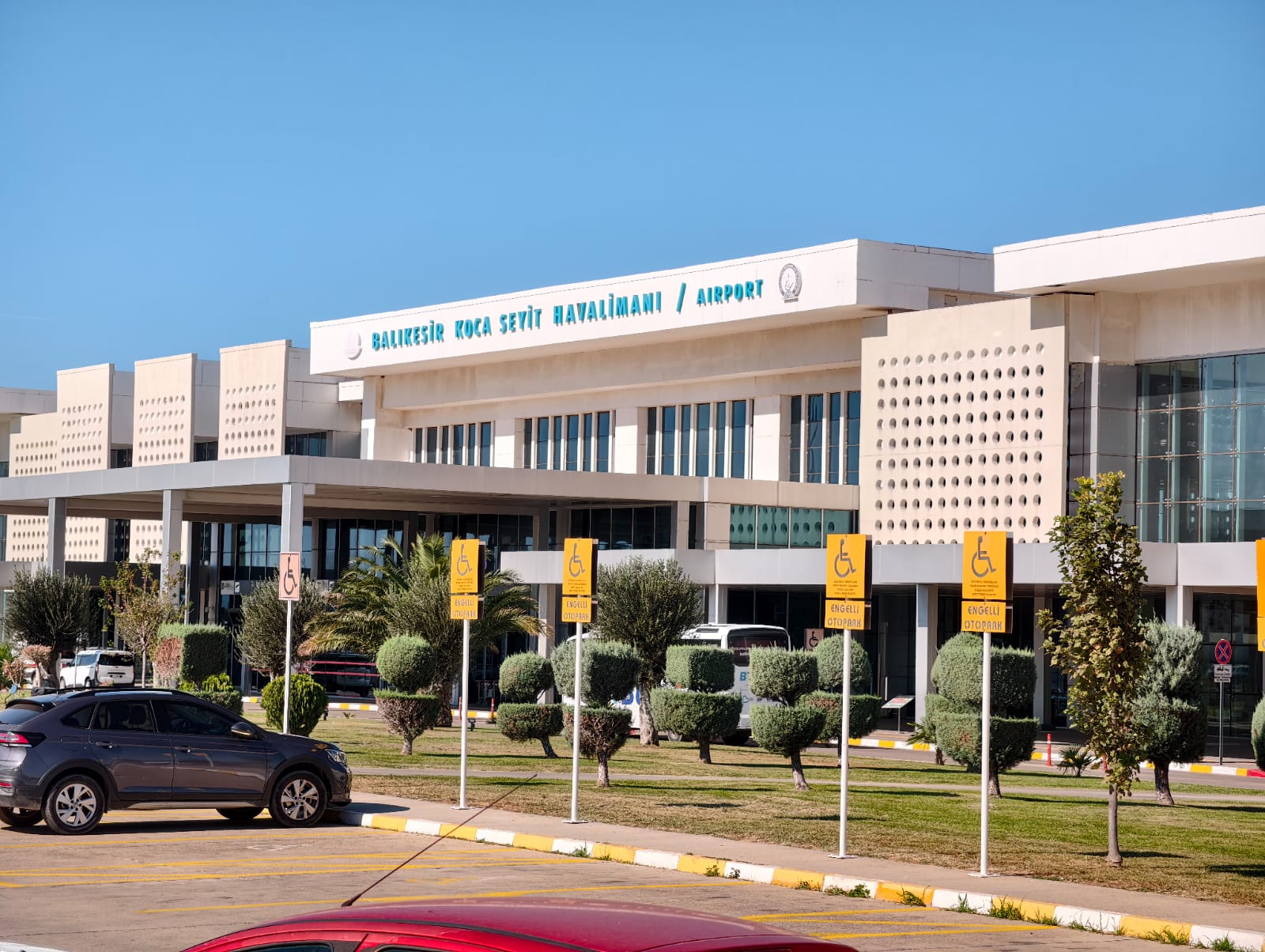
The journey through the Balıkesir region began immediately upon the delegation’s arrival at Koca Seyit Airport. The first stop on the itinerary was the picturesque Manastır Çayı area, followed by a visit to the famous Olive Oil Museum. Here, the journalists were introduced to the centuries-old traditions of olive oil production—a key gastronomic and cultural hallmark of the Aegean coast—before enjoying a walk along the scenic Güre coastline.
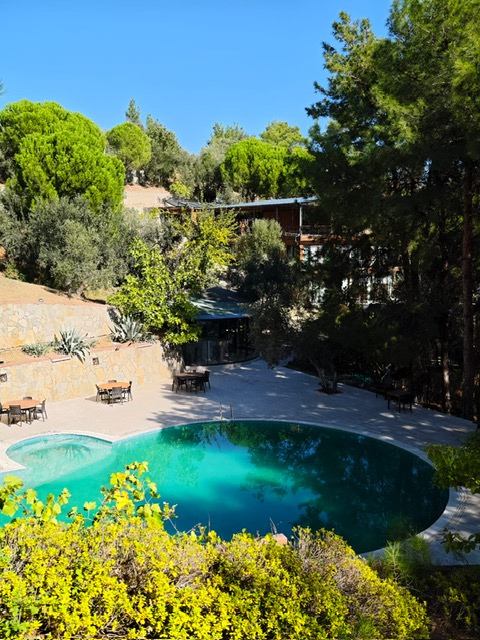
A special highlight of the program was an immersive experience in the region's unique natural landscape. Participants embarked on an exciting jeep safari through the Kazdağları National Park (historically known as Mount Ida). The journalists explored the rugged beauty of the Şahindere Canyon, refreshed themselves at ice-cold natural springs, and ascended to the legendary Altar of Zeus, which offers breathtaking panoramic views of the entire region.
In the coming days, the press tour participants will dive into the rich history of the Çanakkale region. The itinerary includes exploring the ancient city of Assos and the Temple of Athena, viewing the iconic Trojan Horse, discovering legendary Troy along with its state-of-the-art museum complex, and paying tribute at the historic sites of Gallipoli and the Çanakkale Martyrs' Memorials.
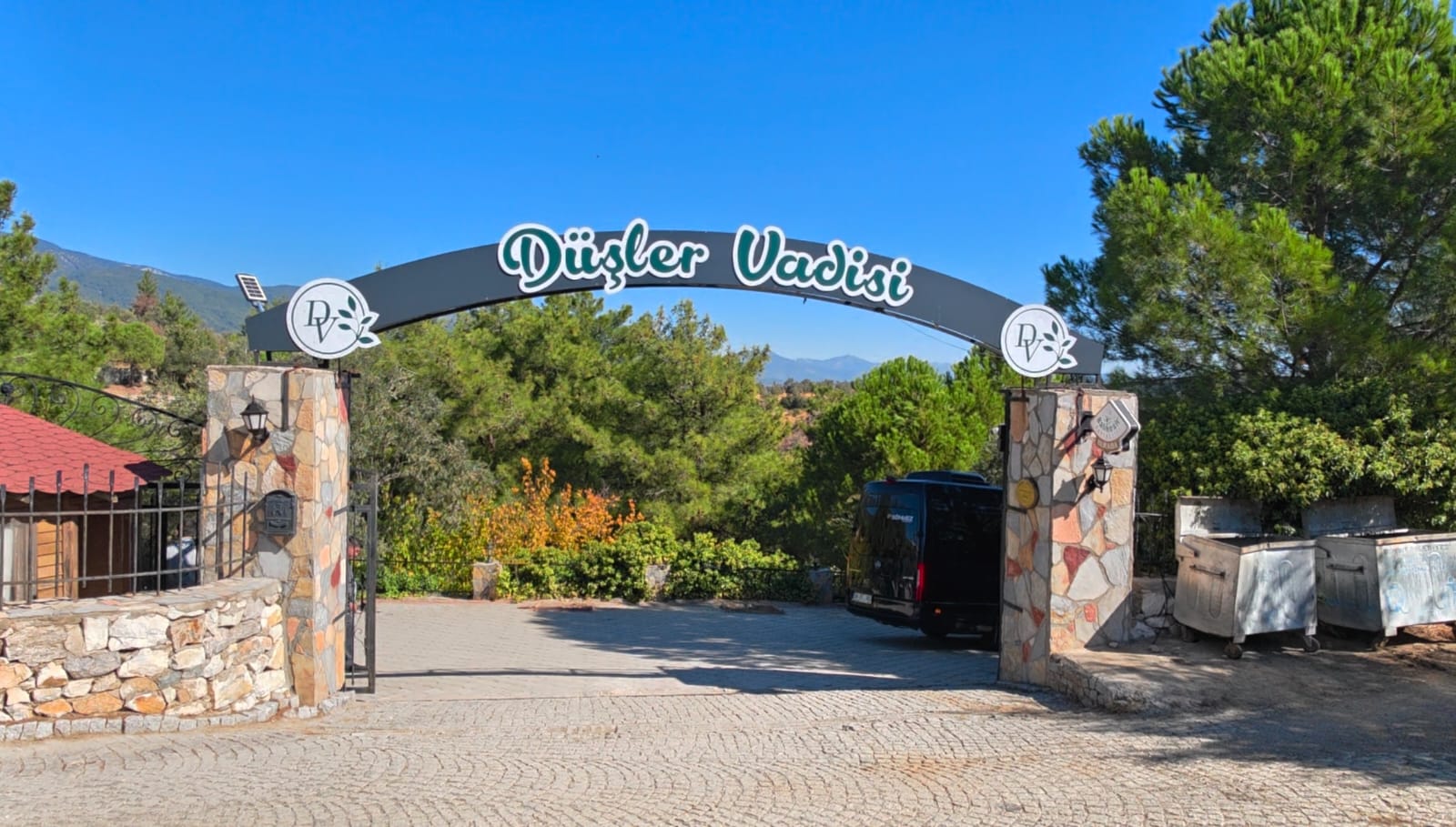
Such international media initiatives allow Turkmen journalists to gain firsthand insights into modern practices in cultural and eco-tourism, exchange professional experience with Turkish colleagues, and strengthen media collaboration between the two nations.
Blitz