
Playlist
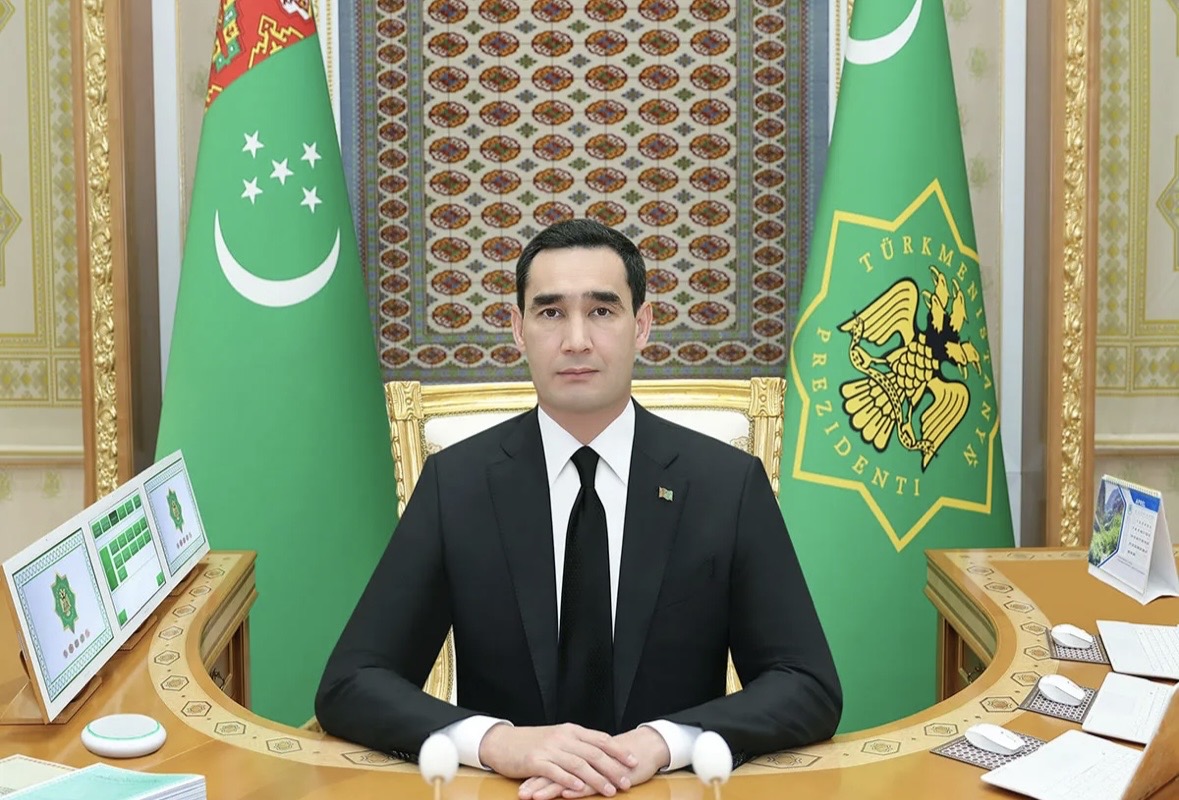
During a digital working meeting, President Serdar Berdimuhamedov reviewed the progress of seasonal agricultural campaigns across the nation's provinces. The Head of State emphasized that monitoring wheat and cotton fields must strictly adhere to agrotechnical standards to ensure high yields. The discussions centered on optimizing land management and accelerating the modernization of the agricultural sector to meet national production targets.
Wheat cultivation is currently entering its final maintenance phase, with significant emphasis placed on preparing for the upcoming harvest season. Efforts are underway to ensure the proper storage of seed grain and the readiness of harvesting machinery. Simultaneously, cotton farmers are focused on inter-row cultivation, thinning, and irrigation procedures essential for the early stages of crop development. These activities are vital for sustaining the country’s agricultural momentum.
The meeting also addressed ongoing activities in the livestock and sericulture sectors. The seasonal breeding of sheep and camels is proceeding according to plan, alongside the intensive care provided by silkworm breeders to ensure high-quality cocoon production. The President instructed regional officials to provide all necessary support to farmers and breeders to guarantee the success of these vital economic activities.
Furthermore, the progress of the National Rural Program was scrutinized, specifically regarding the construction of social and industrial facilities slated for completion this year. President Berdimuhamedov ordered that all construction projects be monitored for quality and timeliness. The systematic development of regional infrastructure continues to be a cornerstone of the government’s strategy to enhance the socio-economic well-being of the population.
Also read


Solar Mini-Grids to Power Remote Communities Across Turkmenistan Under New Four-Million-Dollar UNDP Initiative
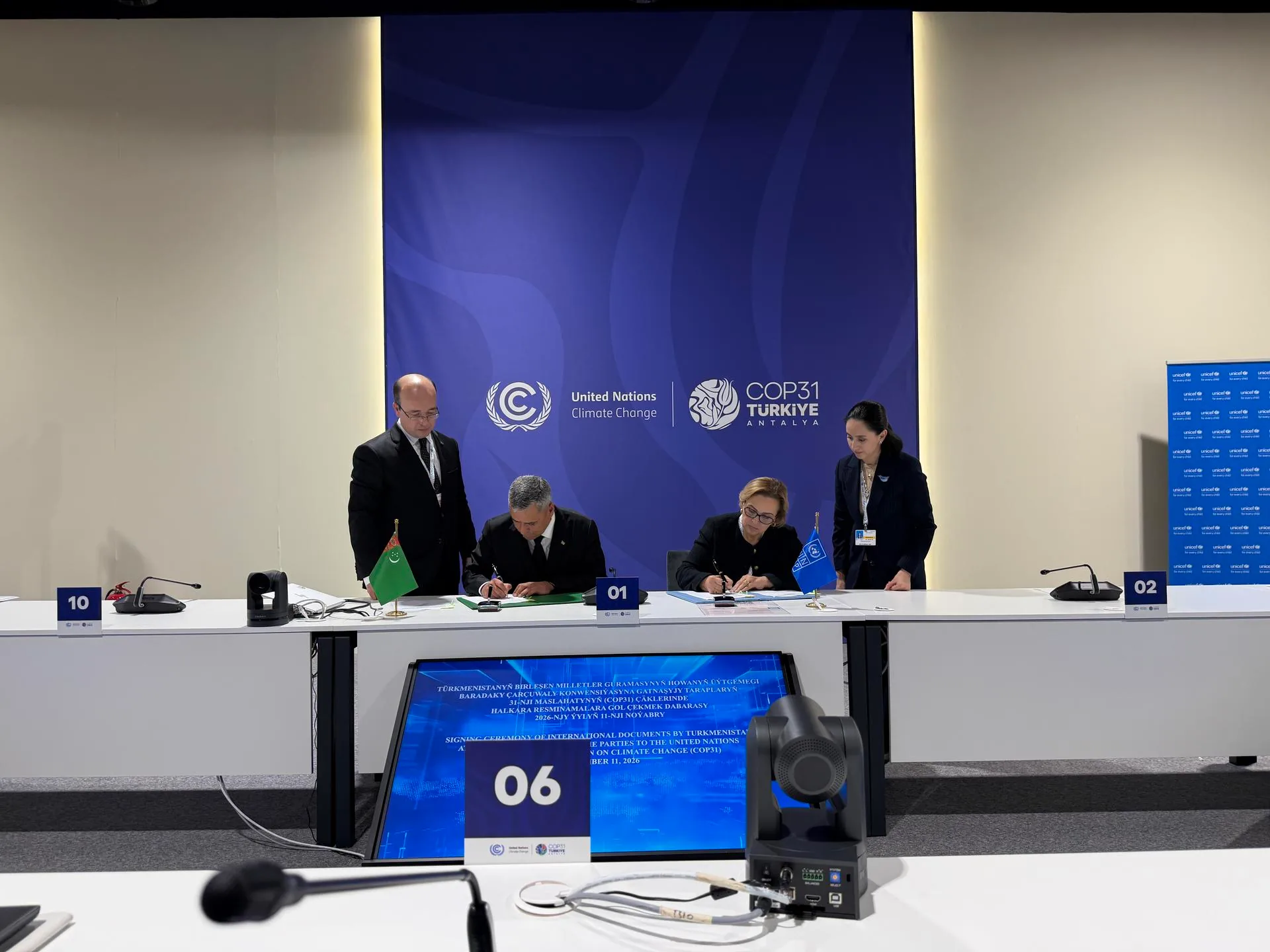
13 Nov. 14:30Following the landmark climate agreements signed on the sidelines of the COP31 conference in Antalya, the United Nations Development Programme (UNDP) has unveiled comprehensive details regarding its upcoming clean energy partnership with the Government of Turkmenistan. Backed by a Global Environment Facility (GEF) grant exceeding 4.17 million US dollars, the five-year project titled "Supporting Energy Transition for Remote Settlements of Turkmenistan" will be executed by the United Nations Office for Project Services (UNOPS) in close coordination with Turkmenistan's Ministry of Environmental Protection and Ministry of Energy.
A central pillar of the initiative involves installing and commissioning up to ten pilot solar mini-power plants with a combined capacity of up to 2 MW in isolated communities that currently rely heavily on diesel generators for electricity. These demonstration facilities will showcase the viability of solar power across Turkmenistan's remote regions and establish a blueprint for broader clean energy adoption. Building upon the operational experience gained from these initial sites, experts will conduct feasibility assessments and prepare tailored technical solutions for potentially deploying solar energy systems in an additional 120 remote settlements.
Beyond physical infrastructure, the project focuses on strengthening the regulatory and institutional framework for renewable energy, training local specialists, and expanding domestic technical expertise. UNDP Resident Representative in Turkmenistan Narine Sahakyan noted that expanding access to reliable, clean electricity significantly enhances community resilience and human well-being—particularly for women and vulnerable groups—by translating national ambitions into tangible investments. The program directly supports Turkmenistan's National Strategy for the Development of Renewable Energy through 2030, advancing the country's commitments under the Paris Agreement and the United Nations Sustainable Development Goals.
Blitz