
Playlist
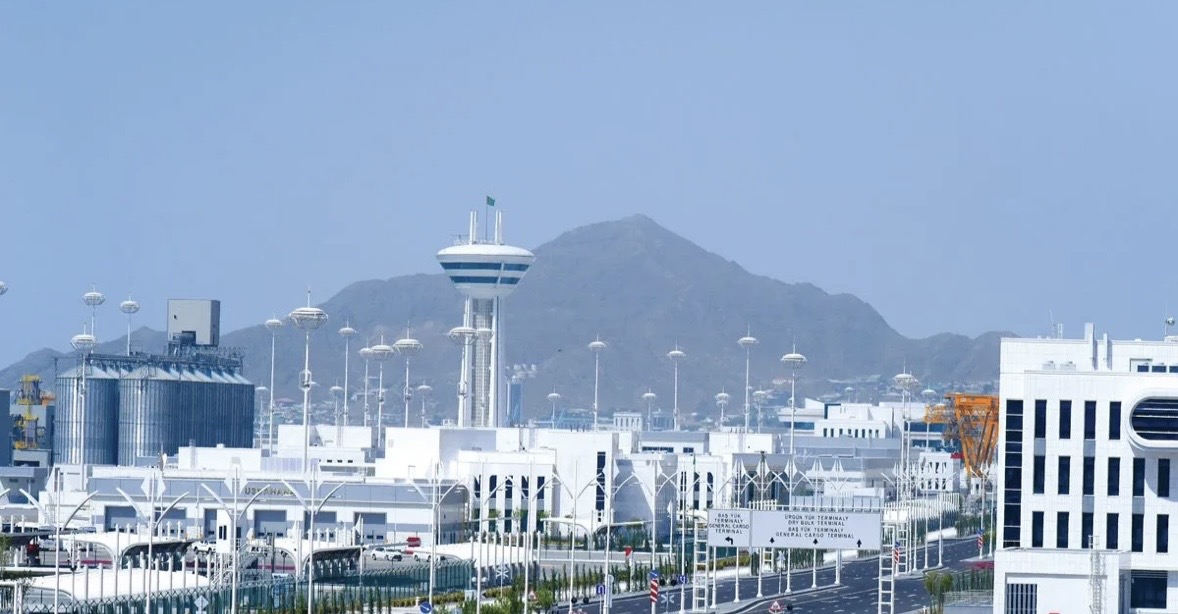
During the first three months of 2026, the International Sea Port of Turkmenbashy experienced a steady 10% rise in total cargo handling compared to the same period in 2025. This growth was primarily driven by an uptick in domestic oil deliveries for refining and a strategic expansion of chemical product exports. The port continues to streamline its operations to meet the increasing demands of the regional energy and industrial sectors.
The most notable progress was observed in the transit sector, where cargo volumes surged by 23% year-on-year. This sharp increase is attributed to larger shipments of urea and a rise in liquid cargo handling via Southern terminals. Such figures highlight the port's growing capacity as a pivotal hub for transcontinental trade, facilitating the movement of essential goods across the Caspian region.
Market fluctuations, particularly the rising prices of sulfur in the Black Sea region, have prompted a reshuffling of export logistics. In response to these economic shifts, cargo flows have been redirected through Azerbaijan and toward Georgian ports such as Poti and Batumi. This adaptability to international market trends has allowed the port to maintain high operational efficiency and support the export potential of the national economy.
Overall, the performance of Turkmenistan’s maritime infrastructure reflects a successful strategy of logistics diversification. By enhancing transit capabilities and responding effectively to global demand, the Port of Turkmenbashy is solidifying its position as a vital link in the supply chains connecting Central Asia with European and global markets.
Also read


Modern Maternal and Child Healthcare Center Opens Its Doors in Balkanabat
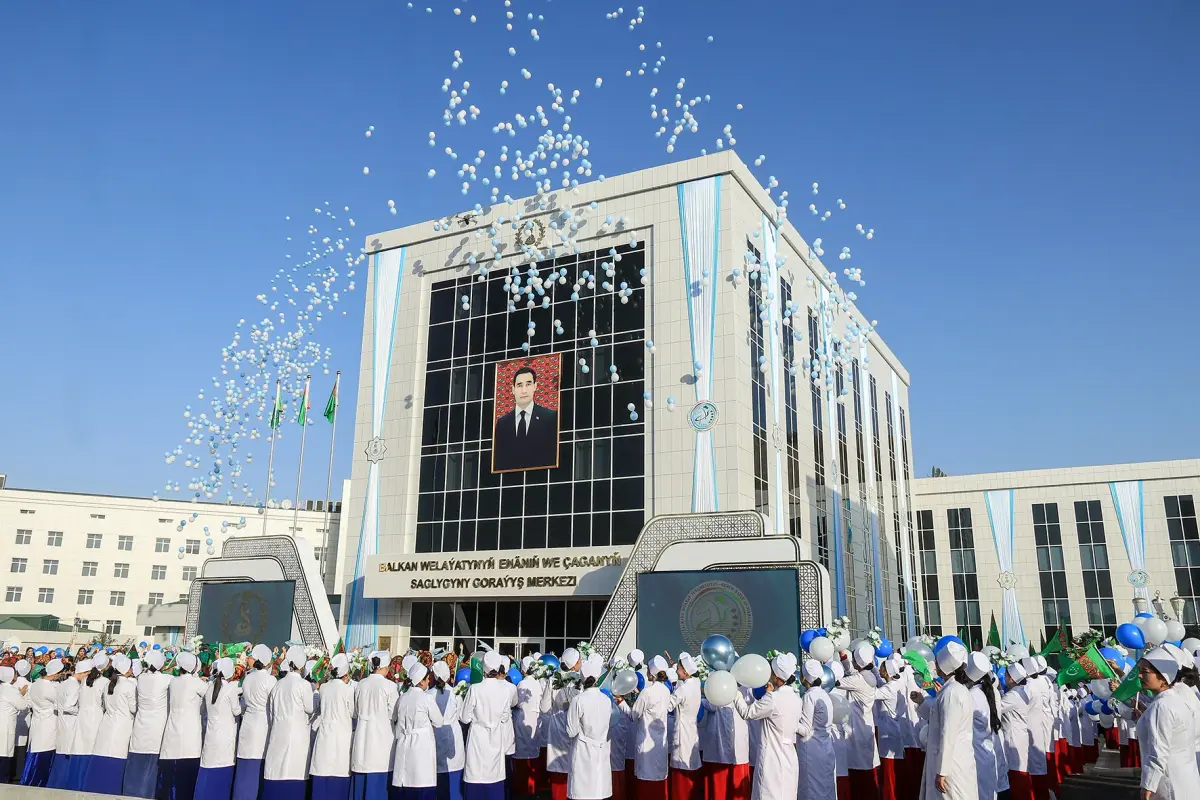
Today in 08:38In celebration of the National Healthcare and Pharmaceutical Industry Workers' Day, a state-of-the-art Maternal and Child Healthcare Center was officially inaugurated in the city of Balkanabat. The landmark event gathered regional and municipal officials, members of the Halk Maslahaty and Parliament, healthcare professionals, and community leaders. The opening ceremony featured festive cultural performances, musical numbers, and traditional Kushtdepdi dances.
The newly constructed medical complex consists of four- and five-story buildings designed to accommodate up to 305 patients. The center houses comprehensive maternity and postnatal wards, a gynecology division, pediatric units, and diagnostic consultation departments. The facility is equipped with advanced medical technology, including MRI, CT scanners, digital mammography, and fluorography units.
Notably, the center features the region's first 10-bed neonatal intensive care unit, fully outfitted with "Medicor" incubators from Hungary and high-precision German monitoring systems. These technologies allow medical staff to continuously monitor vital stats, body temperature, oxygen saturation, and respiratory functions of newborns.
During the ceremony, outstanding builders from the "Shadiyan Gurlushyk" enterprise were honored with gifts on behalf of the President of Turkmenistan, who also donated a new fleet of vehicles to support the medical center's operations.
Blitz