
Playlist
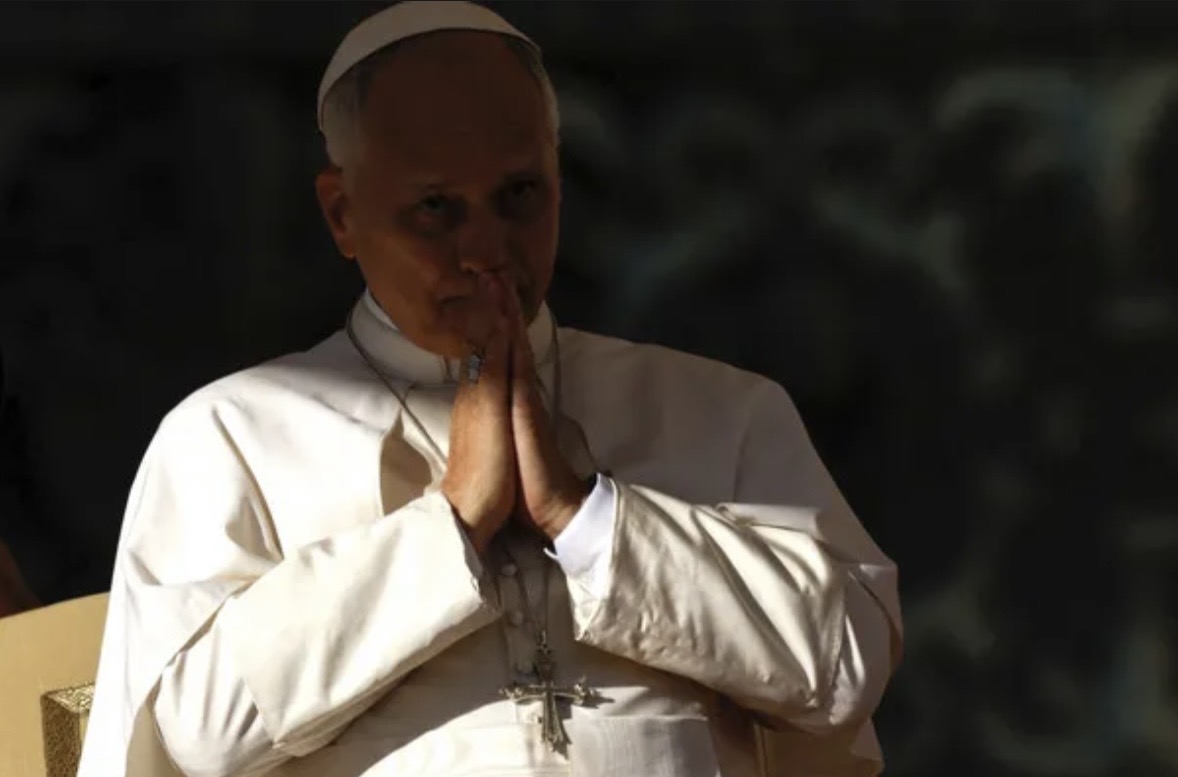
During his apostolic visit to Africa, Pope Leo XIV delivered a powerful message to the youth in the city of Muxima, Angola, calling for the creation of a new world. The Pontiff emphasized that the next generation must strive to build a society free from the scourges of war, injustice, poverty, and corruption. His speech was widely shared by the local "Angop" agency and on social media platforms.
Muxima is one of the most prominent pilgrimage sites for Angolan Catholics, home to the renowned Shrine of Our Lady of Muxima. Addressing a large gathering of young people, the Pope spoke of a divine mandate to foster a better world where the principles of the Gospel and human solidarity illuminate people's hearts. He stressed that justice, rather than conflict, must prevail on the global stage.
The Pope’s address also touched upon the critical issues of economic inequality and the exploitation of the vulnerable. He warned that corruption and systemic greed are major obstacles to progress, depriving young people of their rightful future. By urging his audience to resist these negative forces, the Pontiff highlighted the role of faith and moral courage in transforming society.
This visit to Angola is part of a broader mission to engage with the African continent and its growing Catholic community. Previously, on April 16, the Pope had issued a stern critique of "oppressors" who fuel wars and plunder global resources for selfish gain. His call in Muxima serves as a continuation of his global advocacy for peace, urging the youth to lead the way toward a more compassionate and stable international order.
Also read

A rye-wheat loaf preserved in a freezer for 36 years has been put on public display as part of the permanent exhibition at the Deutschlandmuseum in Berlin. Dubbed "The Last Loaf of the GDR," it was originally purchased on June 26, 1990, by student Michael Hagedorn, who bought an extra loaf fearing potential food shortages amidst the economic unification of East and West Germany.
The museum's director, Robert Rückel, described the unusual artifact as a unique poignant symbol of everyday human decisions during times of monumental geopolitical change. To maintain its preserved state, the museum installed a custom refrigeration unit where the historical loaf remains permanently frozen for visitors to view.
Blitz