
Playlist
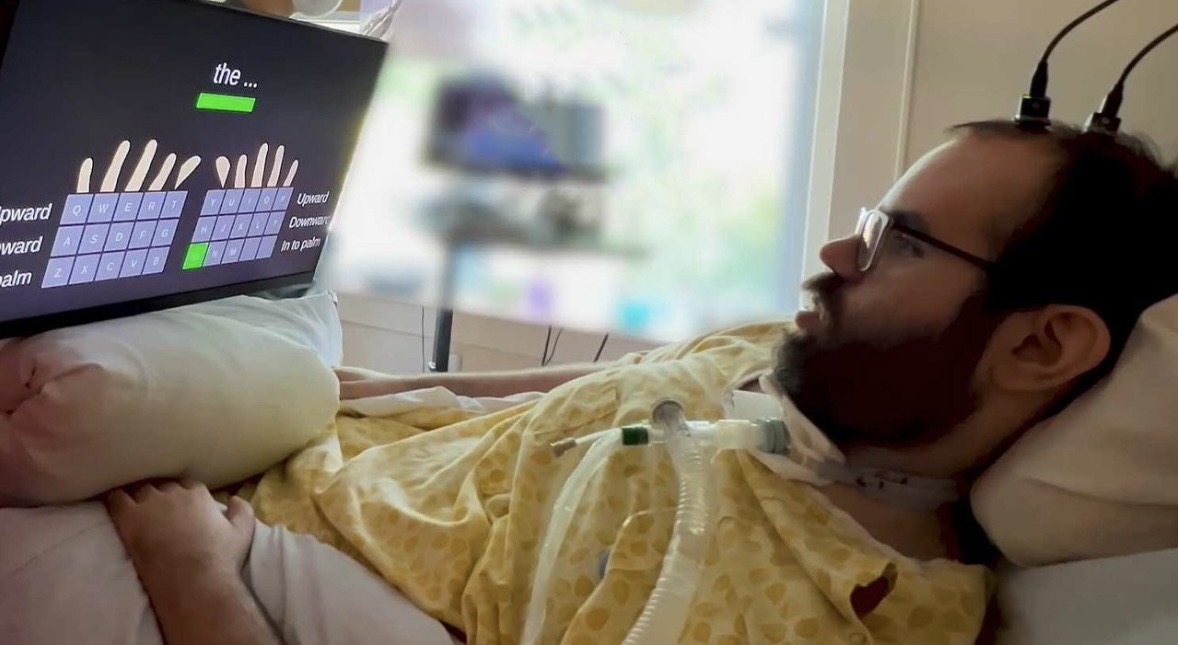
Scientists from Massachusetts General Hospital and Brown University have successfully developed a brain-computer interface (BCI) that enables paralyzed individuals to type by simply imagining finger movements. This breakthrough, recently detailed in the journal Nature Neuroscience, offers a new level of independence for those suffering from severe motor impairments. The technology represents a major leap forward in the field of neuroprosthetics and assistive communication tools.
The core of the technology involves tiny sensors implanted into the motor cortex of the brain. When a patient imagines pressing keys on a virtual keyboard, the system detects the corresponding neural signals. Advanced artificial intelligence algorithms then decode these signals and translate them into text on a screen. This seamless integration between thought and digital input allows for a high degree of accuracy and speed, bypassing the need for physical movement.
Clinical trials involved two participants: one living with amyotrophic lateral sclerosis (ALS) and another with a spinal cord injury. After calibrating the system, one participant managed to reach a typing speed of 110 characters per minute. This rate is remarkably close to the average typing speed of an able-bodied person using a physical keyboard. Furthermore, the system demonstrated high reliability, maintaining a low error rate of only 1.6% during the experimental sessions.
Neurologist Daniel Rubin highlighted that existing assistive devices often frustrate users due to their slow response times and frequent errors. The goal of this new BCI is to provide a more intuitive and efficient alternative for long-term use. Encouragingly, the research indicates that the device can be effectively used in home environments. Future developments of this technology may extend beyond communication to help restore actual limb functionality for paralyzed patients.
Also read

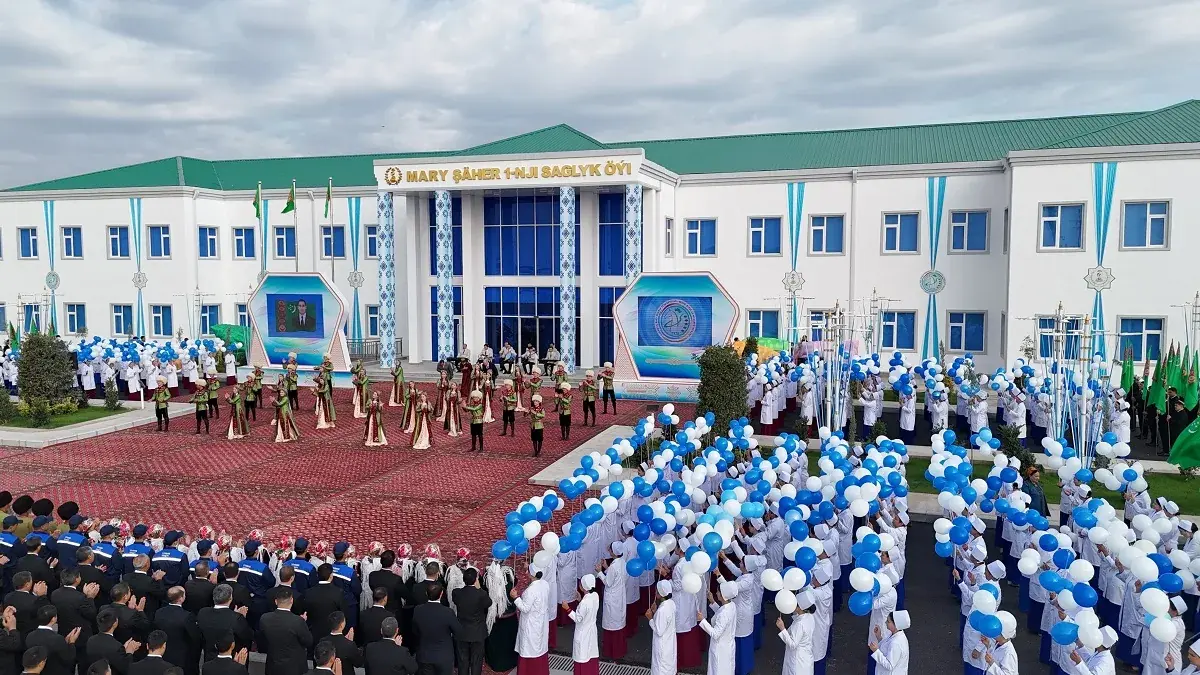
To mark the National Healthcare and Pharmaceutical Industry Workers' Day, Health Center No. 1 in Mary, located along Oguzkhan Street, was officially reopened following a comprehensive structural renovation. The inauguration ceremony brought together regional administration officials, members of parliament and the Halk Maslahaty, healthcare specialists, community elders, and local students. Festive musical and theatrical performances by cultural groups and young talents added to the celebratory atmosphere.
The newly reconstructed two-story medical complex is outfitted with state-of-the-art diagnostic and treatment rooms, family medicine suites, bacteriological and physiotherapy departments, as well as specialized laboratories. Equipped with advanced European medical technology, the center offers a full suite of services including ultrasound, echocardiography, electrocardiography, and endoscopy.
The renovation project was successfully carried out by the local private construction enterprise "Yhlasa Ynam." During the official ceremony, outstanding construction workers were awarded valuable commemorative gifts presented on behalf of the President of Turkmenistan.
Additionally, to boost mobile diagnostic capabilities in the region, a fully equipped "Mercedes-Benz" mobile medical unit featuring digital X-ray and fluorography technology was officially presented to the health center on behalf of the Head of State.
Blitz