
Playlist
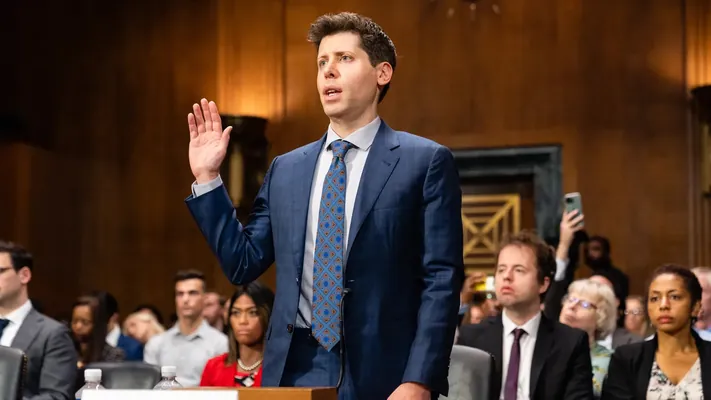
OpenAI CEO Warns That ChatGPT Conversations Could Be Used in Court
01 Aug. 05:36OpenAI CEO Sam Altman has stated that conversations with ChatGPT could be disclosed if required by a court order. He shared this during an appearance on Theo Von's podcast.
Altman noted that more and more users are sharing personal experiences and secrets with ChatGPT, seeking advice. They treat it like a personal therapist because the neural network doesn’t judge, offers support, and helps find solutions. However, he emphasized that such conversations on personal or psychological topics are not protected by doctor-patient or attorney-client privilege. Conversations with AI are not covered by confidentiality laws and may be handed over at the request of intelligence agencies, government bodies, or law enforcement.
Therefore, Altman urged people to “think twice” before discussing sensitive matters with the chatbot.
“If you’re talking to ChatGPT about your most private matters and then there’s a lawsuit or something like that, we could be compelled to turn it over — and I think that’s really wrong. I believe we should have the same kind of confidentiality concept when talking to AI as when speaking with a therapist or someone similar. A year ago, no one had to think about this,” Altman said.
According to ChatGPT’s policy, all user-deleted conversations are permanently erased within 30 days — unless the company is required to retain them for legal or security reasons. OpenAI employees may access conversations to improve the model or detect malicious use.
In early June, a court ordered OpenAI to retain conversations indefinitely. This was a precautionary measure in a lawsuit filed by The New York Times, which accused the creators of ChatGPT of using its copyrighted articles to train the chatbot. The ban on deleting chats was requested by the newspaper as evidence to support its case.
Also read



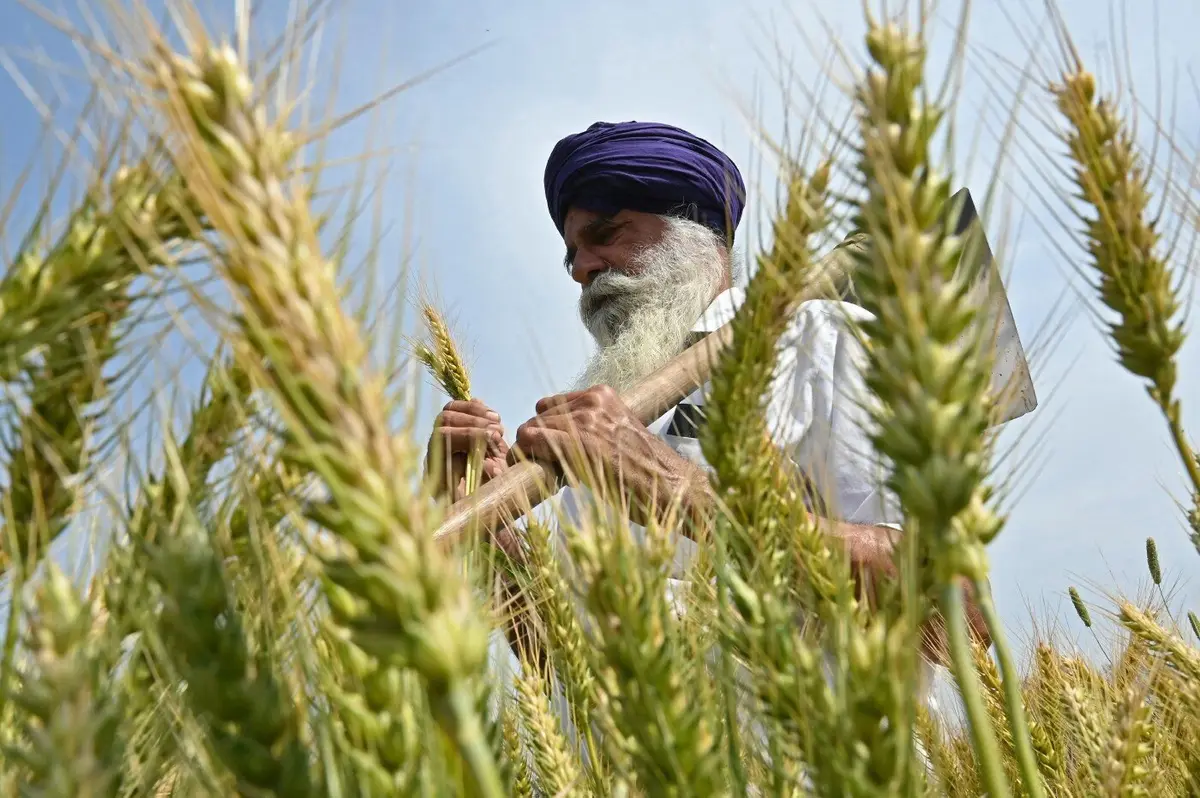
India has officially lifted its restriction on wheat exports after four years. According to the Directorate General of Foreign Trade of India, the policy change took effect immediately and covers durum wheat, flour, and related grain products. The decision is expected to increase global supply and reduce economic pressures on countries dependent on grain imports.
The export curbs, originally introduced in 2022 to safeguard domestic food security amidst global price surges, were revoked following strong agricultural yields. India harvested a record 120.6 million metric tons of wheat in the last agricultural season, with the USDA projecting that grain reserves could hit record highs by the end of the 2026/2027 trade year.
The full removal of the export ban will notably enhance wheat shipments to developing markets across Asia, Africa, and the Middle East.
Blitz