
Playlist
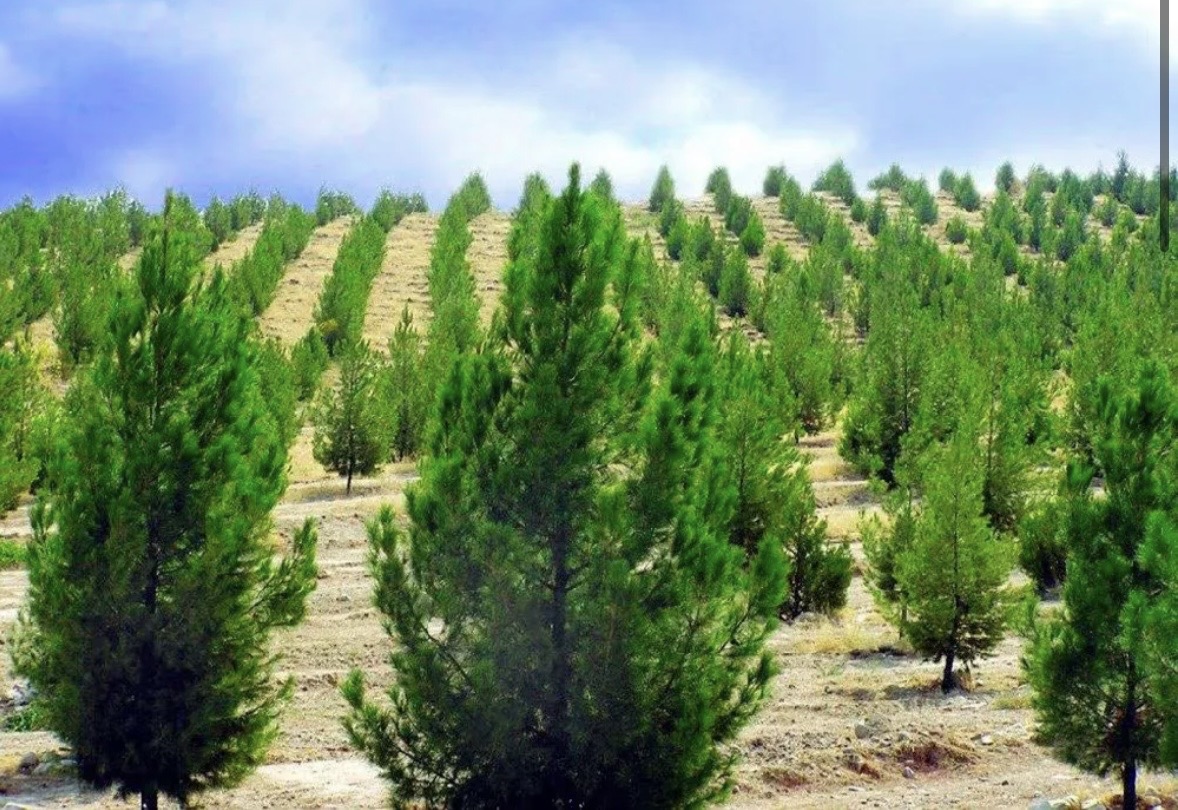
New Five-Year National Forestry Program Ratified in Turkmenistan to Address Climate Change
02 Jun. 17:12Within the framework of the state’s environmental policy, a major legislative document has been enacted to structurally enhance natural resource management and safeguard biological diversity. The Head of State signed a specific Decree outlining the key developmental stages for afforestation and the expansion of green canopy zones over the medium term. This high-level intervention is designed to strengthen the statutory foundation governing the operations of national environmental protection agencies.
The newly launched state initiative is strategically directed toward mitigating the adverse impacts of global climate change through a systemic expansion of forest reserves. The mandate establishes concrete institutional mechanisms to elevate the resilience of local ecosystems against arid weather conditions and optimize sustainable resource utilization. Detailed reporting regarding the approval of this initiative and its broader socioeconomic implications was broadcasted on the main news program "Watan."
According to the ratified regulatory act, the National Forestry Program covering the period from 2026 to 2030 has been officially put into effect. Alongside this long-term strategy, the government approved a rigorous action plan itemizing the specific responsibilities of ministries, state departments, and regional municipal administrations. This integrated approach constitutes an essential milestone in the practical execution of Turkmenistan’s National Strategy on Climate Change.
The implementation of this five-year blueprint will significantly increase national woodland coverage, accelerate scientific research in desert flora cultivation, and promote the deployment of water-saving irrigation systems. Coordinated efforts within this framework are anticipated to materially optimize ecological balances across the Caspian and Aral Sea basins. Government planners view these green-sector investments as a sustainable contribution toward securing public health outcomes for future generations.
Also read




New Digital Boundaries: Turkey Implements Strict Social Media Regulations for Minors
10 Oct. 10:05Starting November 1, 2026, Turkey will restrict access to social media platforms for children under the age of 15 following a new regulatory decree issued by the Presidential Cyber Security Directorate and published in the Resmi Gazete. Under the new framework, users aged 15 to 18 will undergo mandatory age verification through the "e-Devlet" portal. Accounts for this age group will feature default private settings, with explicit bans on live streaming, targeted behavioral ads, and profile recommendation algorithms.
Social media networks are also required to provide parents and legal guardians with control tools to monitor usage time, location tracking, and financial transactions. Existing active accounts must complete the age verification process by March 31, 2027.
Blitz