
Playlist
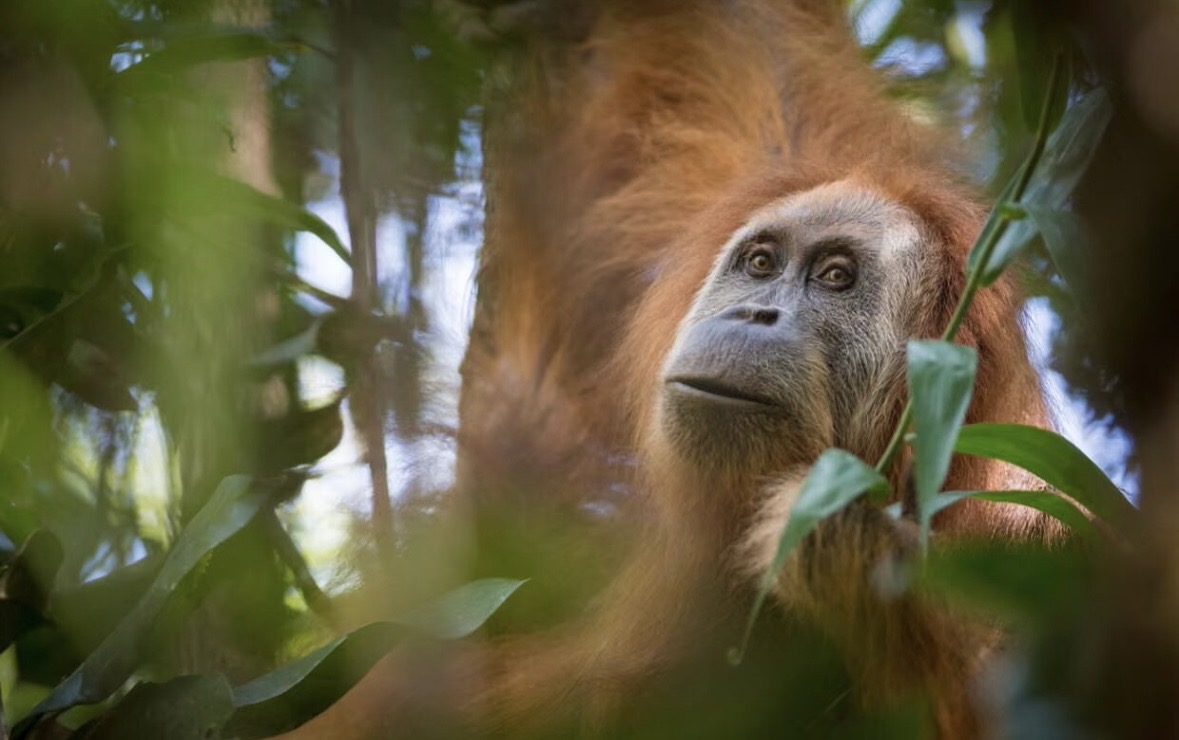
Natural Disaster in Indonesia Puts Rarest Primate Species on the Brink of Extinction
15 Jun. 03:49The population of Tapanuli orangutans, recognized as the most vulnerable and critically endangered great ape species on Earth, has sustained catastrophic demographic losses due to severe meteorological anomalies. Environmental monitoring networks documented a sharp decline in the numbers of this endemic taxon within its primary historical enclave. Conservation experts define the current situation as critical, noting that isolated populations with low density possess a dangerously low threshold for natural recovery following high-impact environmental shocks.
According to a detailed analysis of satellite imagery, a continuous four-day tropical storm tracking through North Sumatra generated an unprecedented rainfall accumulation exceeding 1000 millimeters. This immense hydrological pressure triggered extensive geological shifts and devastating mudslides, completely obliterating over twenty acres of primary rainforest canopy. The massive displacement of topsoil instantly dissolved the fragile montane ecosystem, stripping the local wildlife of their established nesting territories and seasonal foraging fields.
The immediate aftermath of this ecological emergency confirmed the deaths of 58 Tapanuli orangutans, representing a critical 7% reduction of the entire global population, which currently numbers fewer than 800 individuals. Prominent primatologists emphasize that losing such a significant percentage of reproductively active adults inflicts a severe blow to the remaining gene pool. This localized tragedy severely threatens the survival of fragmented forest units, compounding the risks of inbreeding depression and subsequent species collapse.
This crisis is further accelerated by decades of systemic anthropogenic encroachment, where pristine habitats are systematically cleared for industrial advancement. The construction of complex hydroelectric plants, open-pit mining operations, and the unchecked expansion of commercial oil palm plantations continuously fracture the migration corridors of these primates. The international scientific community is urging regional governance to execute immediate structural changes in land-use laws to guarantee the absolute protection of the surviving wildlife.
Also read




Ecological Shift: Golden Jackals Pro Projected to Inhabit 75% of the European Continent
Today in 06:53Once restricted mainly to the Balkans and the Black Sea coastal regions, golden jackals are rapidly expanding their footprint across Europe. According to a landmark study by an international research team published in Nature Ecology & Evolution, these adaptable predators could eventually inhabit up to 75% of the European continent—nearly a sixfold expansion from their historical range. Scientists arrived at these conclusions after monitoring nearly 9,000 sampling sites across multiple European nations.
Recent sightings and acoustic tracking confirm that jackals have established populations in the Czech Republic, the Baltic region, and even Scandinavia. The species thrives in areas with mild winters, mixed agricultural landscapes, and proximity to water sources. Regional climate warming has transformed previously uninhabitable northern areas into suitable habitats, while farming landscapes offer abundant food sources and coverage.
Biologists attribute this unprecedented expansion primarily to the historical decline of wolf populations, which naturally suppress jackal numbers and limit their movement. Smaller than wolves but slightly larger than foxes, jackals feed on small rodents, carrion, plants, and fruits. Their high ecological adaptability allows them to settle efficiently into newly colonized territories without human interference.
However, their entry into Western and Southern Europe, including countries like France and Spain, poses potential ecological consequences. Environmentalists warn that the arrival of jackals could disrupt local ecosystems and threaten endangered ground-nesting steppe birds and smaller wildlife across the Iberian Peninsula.
Blitz