
Playlist
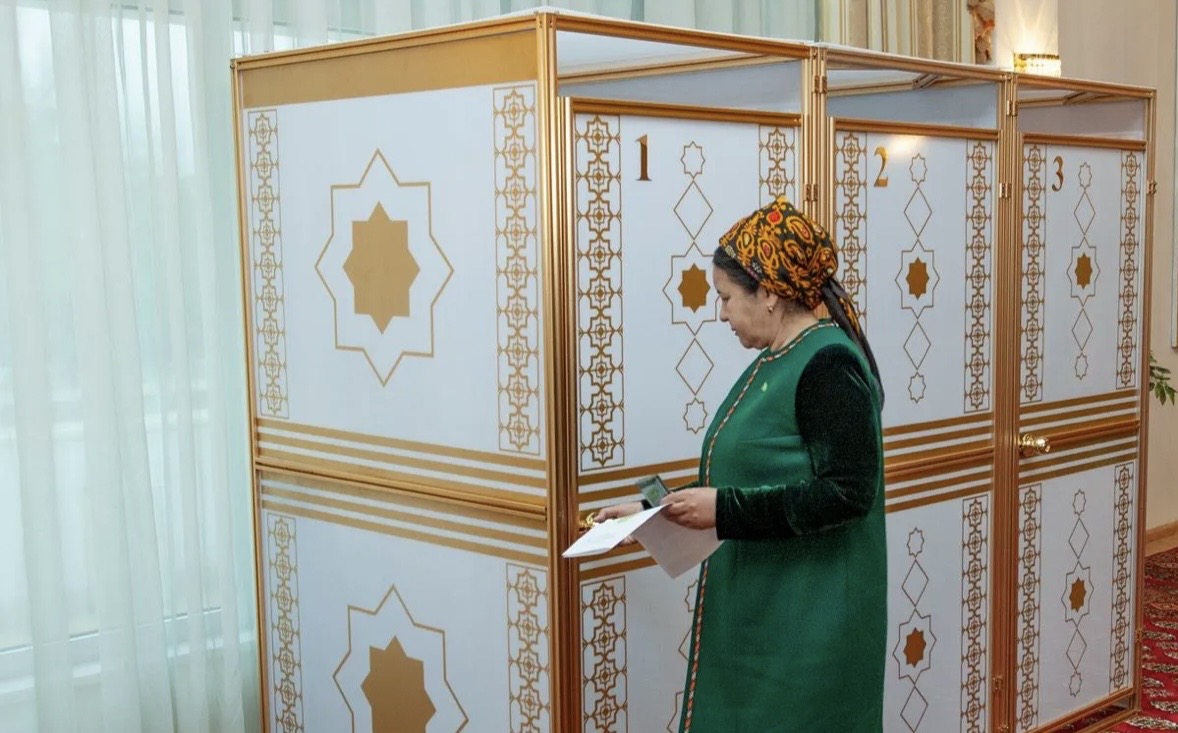
At 7:00 AM today, March 29, 2026, 578 polling stations opened their doors across Turkmenistan, marking the start of a multi-level election cycle. Voters are casting their ballots to elect members of the Halk Maslahaty in newly established districts, as well as to fill vacancies for deputies of the Mejlis (Parliament) of Turkmenistan. The elections also include positions for provincial, district, and city People's Councils, along with local Gengesh members.
The State News Agency of Turkmenistan (TDH) has provided detailed statistics regarding the voter registry for this election. For the newly formed district Halk Maslahaty, 357,666 voters have been registered. The parliamentary by-elections involve 140,211 eligible citizens, while 52,296 voters are registered for the provincial councils and the Ashgabat city council. These figures underscore the extensive logistical preparation undertaken to ensure a comprehensive democratic process.
In addition to parliamentary and provincial roles, the local elections are vital for community governance, with 43,693 voters registered for district and city councils and 109,027 for Gengesh memberships. The polling stations have been organized to uphold the principles of transparency and fairness, providing a conducive environment for citizens to exercise their constitutional rights. Local observers are present at all sites to monitor the integrity of the voting process.
The voting period will conclude at 7:00 PM local time, after which the counting of ballots will proceed. This election represents a key step in Turkmenistan’s ongoing administrative and political reforms, aimed at decentralizing authority and enhancing public participation in state affairs. The results are expected to further solidify the representation of regional interests within the nation's legislative and executive frameworks.
Also read


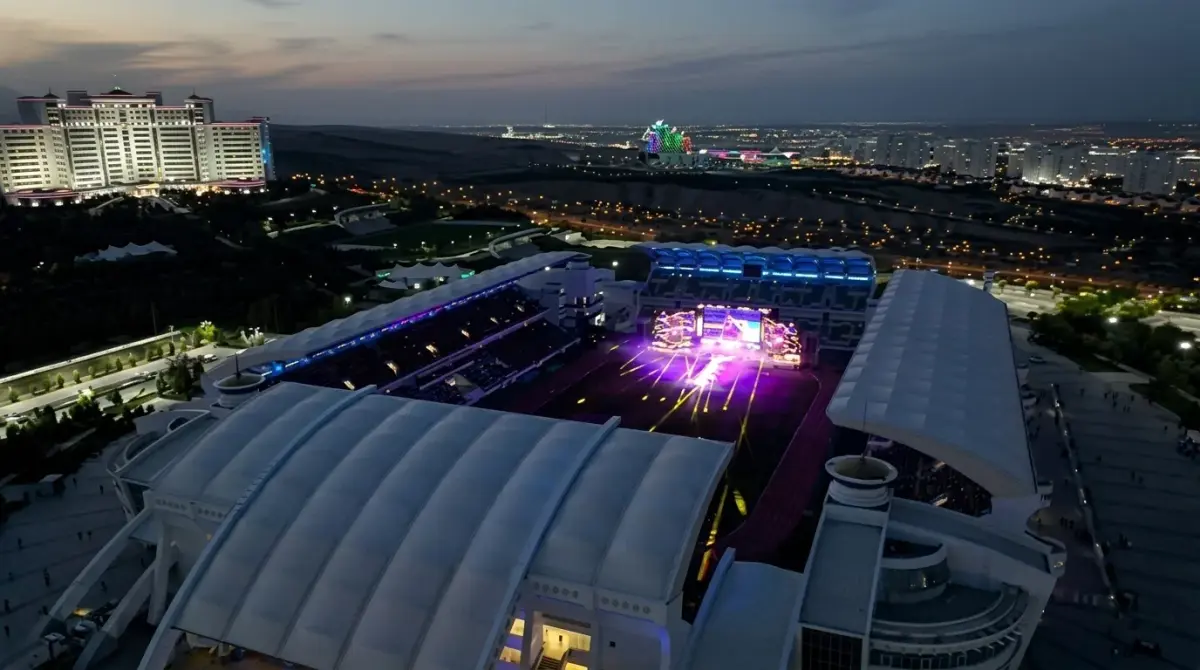
Grand Musical Gala in Ashgabat: International Pop Stars Perform at Capital Stadium
10 Oct. 06:14A festive concert featuring prominent international and domestic artists was hosted at the "Ashgabat" Multi-Purpose Stadium. The line-up included Russian Pop Star and Honored Artist of Turkmenistan Nyusha, Lebanese singer Maya Diab, Turkish pop icons Murat Boz and Hadise, along with Arsen Shakhunts. Nyusha surprised the audience by concluding her performance with the song "Bagt Nury," composed by National Leader of the Turkmen People Gurbanguly Berdimuhamedov.
Dedicated to the 35th Anniversary of Turkmenistan’s Independence, the event brought together thousands of music enthusiasts. Following their stage performances, the international guest artists expressed deep admiration for Ashgabat's urban aesthetic and the warm hospitality extended by the Turkmen public.
Blitz